These days I question everything from social media, especially when I have to hunt down the trailers myself. Let's ask ChatGPT!
The part you're asking about is:
君はきっと正義が狂器に変わる前に止めることができる人だと思うから。
Word-by-word:
正義 (seigi) – justice
が – (subject marker)
狂器 (kyōki) – literally "madness," "insanity," or "fanaticism*"
に変わる前に (ni kawaru mae ni) – before it turns into
止めることができる人 (tomeru koto ga dekiru hito) – someone who can stop it
だと思うから – because I think so
A literal translation is:
"Because I believe you're someone who can stop justice before it turns into madness."
So why did the official English use "bigotry" instead of "madness"?
狂器 (kyōki) is metaphorical here
In Japanese media, 正義が狂気に変わる is a common phrase meaning:
justice becoming fanaticism
righteousness turning zealous
moral conviction becoming dangerous/extremist
It often implies intolerance, judgment, or self-righteous cruelty, more than literal mental insanity. In other words, "madness" is literal, but the intended meaning is closer to:
zealotry
extremism
ideological intolerance
persecuting others in the name of justice
Which overlaps strongly with the English concept of bigotry. English localization aims for theme, not strict literalness
The English script chooses words that:
fit the character's personality
fit the setting
sound natural in English dramatic dialogue
deliver the intended narrative theme
If the character is warning about "justice turning into persecution," "bigotry" conveys that moral corruption better than "madness," which sounds like mental breakdown.
"Madness" carries different connotations in English
In English, "madness" tends to sound like:
losing sanity
chaotic behavior
mental instability
Japanese "狂気 (kyōki)" in moral contexts is closer to:
fanatical extremism
losing sight of true justice
becoming cruel while thinking you're righteous
So the localization team likely selected "bigotry" to express:
justice that becomes intolerance or oppression.
Which matches the narrative tone.
Well, that makes all rather good sense, doesn't it? I mean, we can all agree that literal translations between languages can often sound confusing, especially something like Japanese, and especially without cultural connotation. But naturally, nuance is dead these days, so let's get those outrage YouTube videos going from the regular crowd!
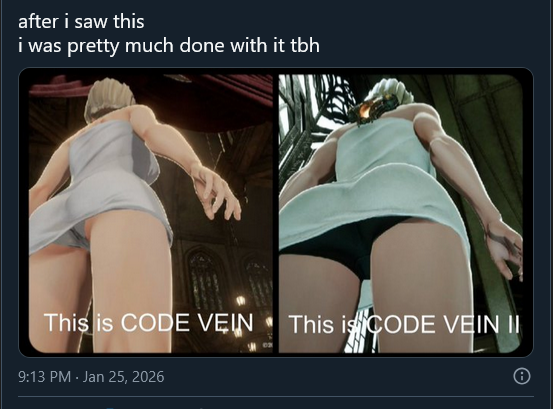
The panty stuff is dumb though, agreed on that.





 , welcome to GAF papito