RedC
Member
Mixtape Has Become Another "What Counts As A Game?" Flashpoint
Main argument:- many people love Mixtape because:
- it captures late-90s coming-of-age nostalgia extremely well
- music, friendships, and emotional tone resonate hard with certain players
- reviewers are scoring the nostalgia and emotional resonance
- more than the actual gameplay experience
The Core Backlash
Main Complaint
Critics argue:- games like Mixtape are receiving:
- 9s
- 10s
- despite being:
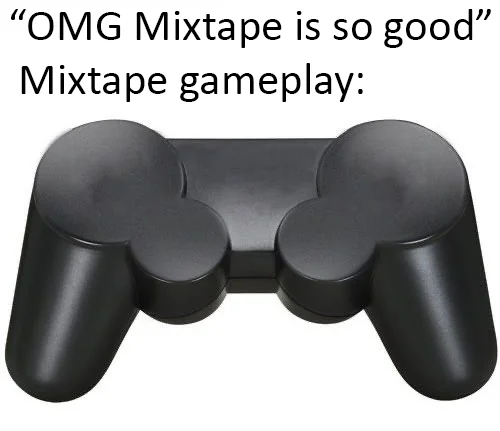
- very short
- mechanically light
- limited in scope
- Mixtape getting glowing scores while:
- Crimson Desert lands in mid-70s
- part of the growing trust problem with games journalism
What Mixtape Actually Is
Game Overview
- ~3-hour narrative experience
- made by:
- 12-person studio in Melbourne, Australia
- focused on:
- atmosphere
- emotion
- music
- character interactions
- walking
- skating
- mini-games
- light interaction systems
The Developers Clearly Knew What They Wanted To Make
Creative Philosophy
Developers reportedly approached the game:- more like a concept album or film
- built around a song
- primary design goals
The Viral "Awkward Kiss" Scene Was Intentional
Developers intentionally designed:- uncomfortable teenage intimacy
- realism
- embarrassment
- awkwardness
- scene going viral massively boosted awareness of game
The Production Scope Is Being Praised
Smart Budgeting
Reviewer strongly praises:- realistic scoping
- small team built a manageable project
- didn't overextend
- likely financially sustainable thanks to:
- Game Pass funding
- publisher backing
- modern AAA development bloat
The Reviewer Supports More Games Like This
Main stance:- developers SHOULD experiment
- passion projects SHOULD exist
- scope must match realistic audience expectations
- Mixtape succeeded because:
- ambitions matched team size
- expectations were controlled
Heavy Rain Comparison
Reviewer compares discourse to:- Heavy Rain in 2010
- same "not a real game" criticism happened back then
- Heavy Rain still:
- won awards
- sold millions
- created memorable shared experiences
Story-Focused Games vs Gameplay-Focused Games
Core Design Problem
Reviewer explains:- narrative games want players to see story content
- difficulty barriers can prevent that
- Crimson Skies anecdote
- skip options added after repeated mission failures
- because some players simply wanted narrative progression
The Real Issue Is Review Scale Consistency
Reviewer's central concern:- not that Mixtape exists
- but that review scoring feels disconnected from audience expectations
- when tiny narrative projects score equal/higher than massive mechanically ambitious games:
- people lose trust in critics
Rotten Tomatoes / Oscars Comparison
Reviewer compares gaming criticism to:- film criticism disconnect
- critic vs audience score gaps
- declining Oscars viewership
- audiences increasingly ignore critics
Game Awards Warning
Reviewer warns:- if Game Awards lean too heavily into niche prestige titles
- they risk same disconnect Hollywood experienced
- Highguard shutting down quickly despite awards/showcase attention
Final Overall Position
Reviewer's Conclusion
- Not everyone will love Mixtape
- That's fine
- industry should encourage:
- experimental passion projects
- smaller scoped games
- sustainable development
- Mixtape may not work for everyone mechanically
- but it represents healthy creative experimentation done responsibly
Last edited: