Yeah, these AI are no joke in terms of recreating technological-related stuff. If you already have a good fundamental understanding of hardware engineering & design, with the right prompts and follow-throughs you could have an AI develop an entire console design for you, including every aspect of how it works at the transistor level. Of course, you need to be knowledgeable enough to see where mistakes are made to see if it trains itself to correct those mistakes.
I think designing hardware architecture is a type of artform in itself, but it's not instinctively "human" like drawing, painting, creative writing etc. Those are things AI will never be able to replicate anywhere near as well as actual people, because you need warmth of a soul for them, and that's something AI will never have. Same with making music; when I hear a lot of these AI-made songs out there, it's so easy to tell they're AI because the song structure is repetitive, rigid, predictable drops & hooks, predictable sound mastering & what not etc. It always tries sounding "perfect" which is actually the giveaway it's 100% artificial.
Curious how GLM-5 can combat the Nintendo ninja lawyers tho; those DMCAs could make it self-delete

It would be more impressive if they used AI to create a perfect Dreamcast emulator, or a Model 3/NAOMI arcade emulator. I know there are DC and Model 3 emulators out there, but they are not perfect. So, AI filling the gaps and improving them would be a cool concept.
Or, for the ultimate challenge, a PS4 emulator that can run all PS4 games without any graphical glitches.
FWIW I've been using Google AI to help flesh out certain details of alternate timeline consoles, tho the initial ideas were those I came up with having researched other retro consoles and learning about their architectures. NGL, it has been extremely helpful, but I've also been making sure my prompts are very concise and clearly-stated, and I have had to correct it multiple times when it assumed one technical detail when I meant something completely different.
And that's perfectly fine a use-case I feel: as a supplement to help iron out technical details of engineering or programming problems, clarifications etc. But that's because I understand the nature of AI is it will
ALWAYS seek to provide the "perfect" or most "correct" answer to any problem. Which makes it very poorly fit for highly creative fields and spaces. Even in technical fields, like I was just explaining above, you'll probably
WANT to have imperfections in the design to enforce limitations when considering other products you're trying to fit its market existence into.
Plus things like various business decisions that would've steered market performance one way or another, require an understanding of the human psychology and cultural elements that might influence the corporate environment, even relationship dynamics and the such, which AI (by its nature) would not be able to understand or comprehend.
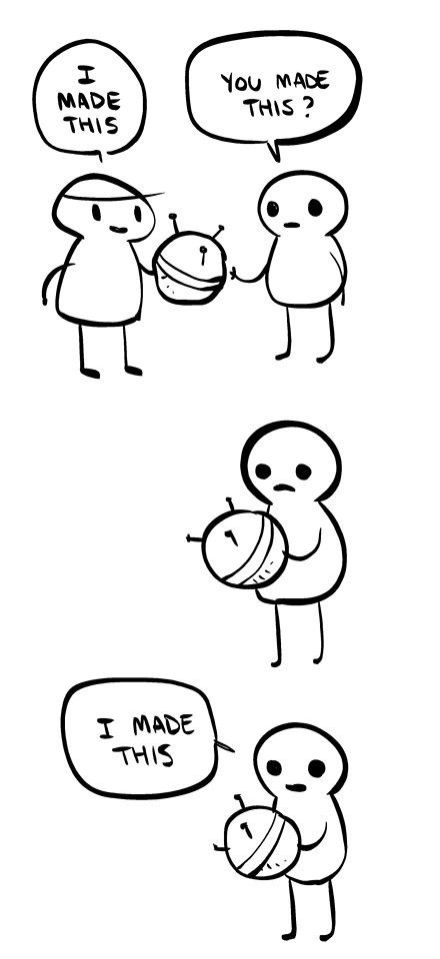
AI generates GBA emulator by stealing code from existing GBA emulators. Very cool to see
Yeah, that's a big part of it in this context, for sure. Extremely grey-area stuff and gives companies like Nintendo better legal legs to stand on against AI. I mean what's the difference between an AI taking that GBA code from emulators that took it from actual GBA hardware & software?