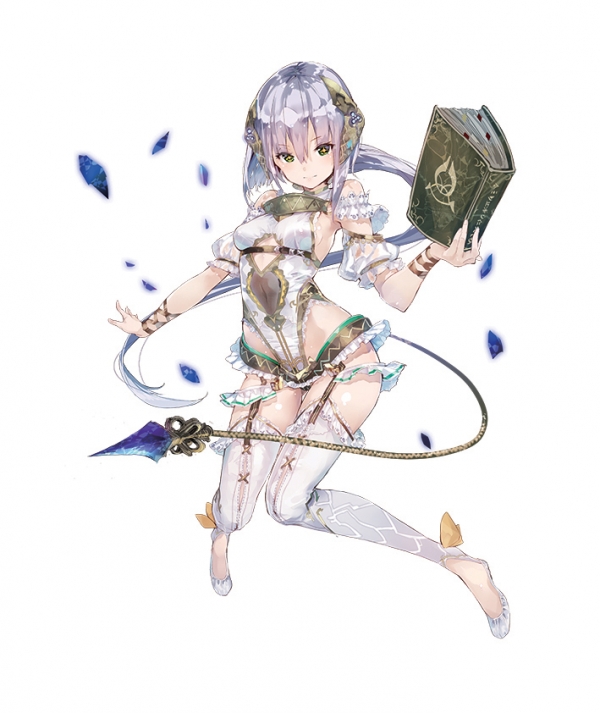
I'm not a fan of sexual fanservice in RPGs. This should come as no surprise to anyone who has followed the development of our games and is self-evident in the female character designs of Cosmic Star Heroine (modest attire for all).
Now as far as Tokyo Mirage Session goes, this is my overall stance.
1) There are many different responses to what Nintendo is doing here. Some people dislike it because they like sexual fanservice in games, some people dislike it because they think it's censorship, some people think it's minor and don't really care, and some people are in favor of it because they're not a fan of sexual fanservice. The idea that the potential fanbase are unified in their opinion on this action is not true as is obvious by all the arguments in this thread.
2) I feel what Nintendo is doing here is consistent with their actions in the past. There's no slippery slope - Nintendo of America has long had a strict policy of editing their games when it comes to underage sexualization. Their editing of TMS should come as no surprise to anyone. And no other company is following Nintendo's action except in instance where edits are necessary to avoid an AO rating.
3) I feel what editing is being done is minor. Some image changes & the removal of paid DLC with no gameplay content (just outfits & a handful of non-interactive short conversations).
4) I don't feel that editing TMS will have any noticeable effect on sales. TMS is a unique game - it's a turn-based RPG with a decent budget on a console (rare these days), it's one of only a handful of major Wii U releases this year, it's an Atlus RPG that isn't a direct sequel or remake, and the subject matter (Japanese entertainment industry) is unusual. In short, there are few direct substitute goods for this game. The vast majority of people who were planning on buying the game are unlikely to change their mind due to the changes. Most people here who are saying they aren't going to buy this game because of these changes were on the fence to begin with.
5) If the edits have any effect on sales, they will have a positive effect. Other Nintendo games have had edits and sold well (the Fire Emblem & Xenoblade series being two obvious examples). The audience for "Good RPGs" is bigger than the audience for "Games with sexualized fanservice." In general, I feel that people underestimate how popular RPGs & JRPGs are in general. With TMS, it may seem super niche at first, but it's easy to see how Nintendo could think that a collaboration between series that have become much more popular lately (Fire Emblem & SMT/Persona) could result in something successful.
6) Nintendo doesn't care about niches with niches. They're a huge company and they don't care about small successes, not with their retail games (saving that for cheap experimental digital-only games). Even if the edits DID hurt their status with the hardest of the hardcore (which I don't think it will to any noticeable effect), they don't particular care. They want to sell to the general JRPG fandom, not hardcore American otakus (even if Nintendo of Japan has no problem targeting the Japanese otaku demographic).
7) Conversely, Nintendo of America's main demographic is children & the parents of those children. Although they'll occasionally take a chance with a hard M-game that is obviously for adults, for the most part, they want to preserve their image. The West is particular harsh about the sexualization of underage individuals and so they don't want to take unnecessary chances.
I have no problem with people disagreeing with my stance, but when people make comments like "Nintendo has alienated the only people who would buy this game and their actions have guaranteed a bomb" I feel that they're being solipsistic and not seeing the bigger picture of Nintendo strategy. Nintendo's actions are primarily 1) to protect their image and 2) to increase the possibility that the game will be a more mainstream success (emphasis on MORE - nobody's expecting a Mario Kart or even a Splatoon out of TMS).