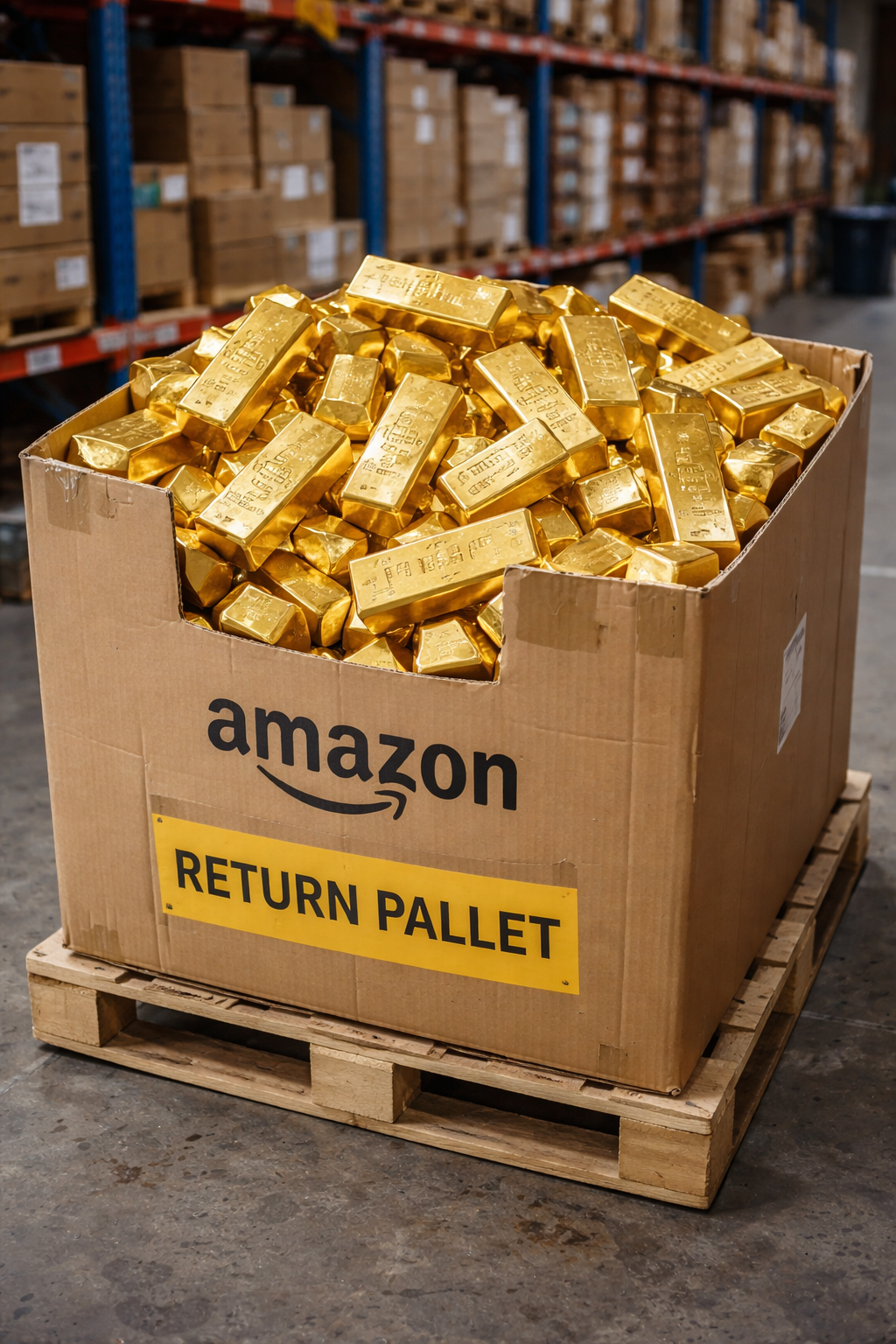
Ah ok, thought there was some secret thing through the Amazon website. Makes sense.
Nope.
Every city will have their share of liquidator or close out stores. These typically sell all kinds of left over products companies want to get rid of. Even including weird stuff like when Target Canada shut down, suddenly their Market Pantry store brand showed up at dollar stores. So Target was desperate to dump off product to other stores!
I've never been in one that sells off stuff by the pallet though but they are out there. I've just been in normal ones that people roam around buying single products, not by the case or pallet.
Costco dumps off leftovers and returns too.
For you guys, a bit of info how closeouts works. This just comes from my experience in the industry, so it'll be different for someone else. But here' what happens:
Closeouts from the manufacturer:
- Leftover product no stores carry anymore
- Total overstock of product even if it's still selling normal to stores. Forecast manager ordered too much, or a major account stopped ordering
- Soon to expire product about 8-10 months from the deadline. Most places wont take expiring product 6 or less months
- Ding and dented, but still good (only liquidators will take this)
- Account managers push this to stores at a heavy discount like 50% off
- After any orders, remaining product pushed out at like 75% off
- Still leftovers? Employees pick at it, destroyed, donated for a write off. Clever companies will make it a charitable PR release donating product knowing it was destined for destruction anyway
Closeouts from the store:
- Stuff from above
- Or their normal ordered products on shelf getting old and crusty
- Need to clear stuff out to make room for other products in that shelf slot
- Need to clear out onesies and twosies taking up room. Not going to be reordered, so clear it out now
- Manufacturers dont take back all products unless it's defective or returns (in some cases), so the store is stuck with it
- Not all manufacturers get carte blanche to return defectives or refunded product. Store and manufacturer may deem it too much of a hassle to do returns and classify them for credit. So what happens is the two parties agree to not goof around with returning product to the supplier. The store eats it or somehow dumps off any product to liquidators themselves. In return, the supplier agrees to give them a returns cost allowance (think of it like a blanket discount) of 3% on all product they order. Some small retailers may get a $$$ vaule return max instead. Like the store is allowed to send back returned product worth $100,000 and that's the limit
Ramifications:
- Usually not a big deal, since everyone does it
- But if there's some good products in the market being dumped off for dirt cheap somewhere and all other stores still selling it, then there can be conflict where the stores see it and like WTF?
- Supplier can get around it if it's different product or expiring product. If not, then thats when the account manager has to smooth it out
- The best situation is if the supplier dumps off product to liquidators who sell it out of market (like they ship it overseas), but what happens is if they do that there's possibility the regional office in that country sees your domestic product flooding their stores so the two VPs of each region argue! I've seen that situation. Our office shipped stuff to a liquidator who shipped it to the mid east. So whomever is in charge of the mid east region complained to our VP. LOL. This situation is called Diverting.



 wccftech.com