

-
Hey Guest. Check out your NeoGAF Wrapped 2025 results here!
You are using an out of date browser. It may not display this or other websites correctly.
You should upgrade or use an alternative browser.
You should upgrade or use an alternative browser.
PlayStation VR2 |OT| I heard it has a single cable. Is this true?

RedC
Member
As long as it reviews well, this may very well be a Day One for me.

SilentUser
Member
Little Nightmares VR could be pretty nice and it is out soon. On my radar!
sncvsrtoip
Member
Possitive preview
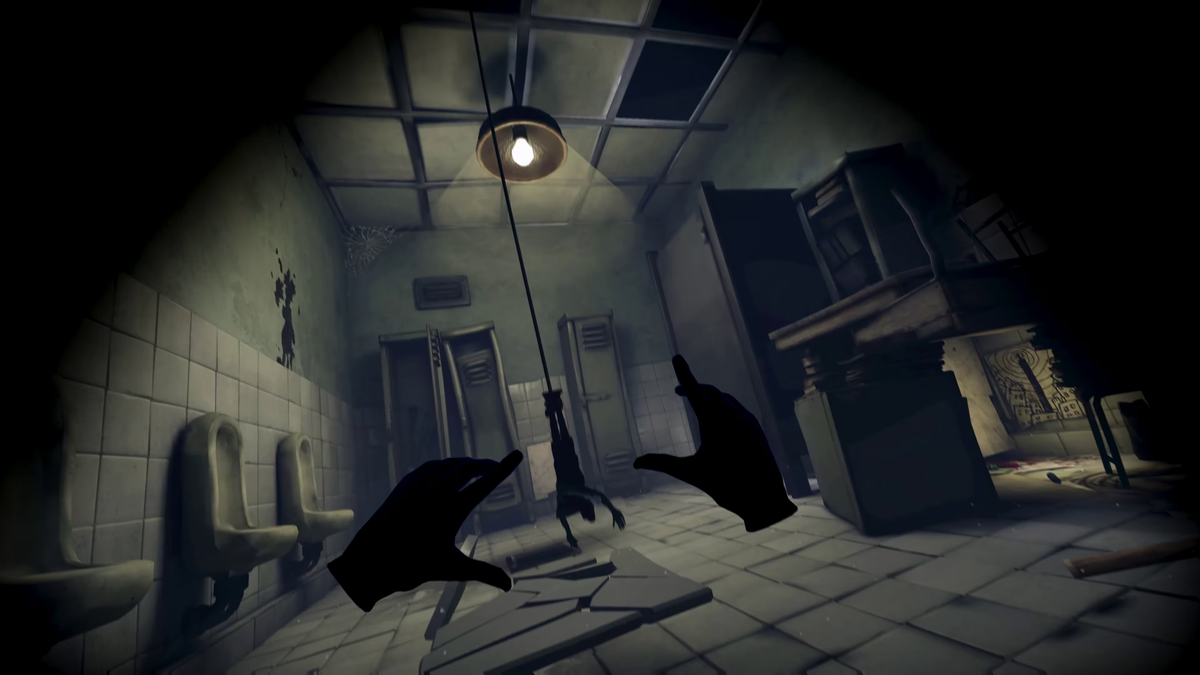
 www.uploadvr.com
Little Nightmares VR: Altered Echoes Is Disturbing In All The Right Ways
We went hands on with Bandai Namco's Little Nightmares VR: Altered Echoes on PlayStation VR2 at GDC 2026.
www.uploadvr.com
SilentUser
Member

cyberheater
PS4 PS4 PS4 PS4 PS4 PS4 PS4 PS4 PS4 PS4 PS4 PS4 PS4 PS4 PS4 PS4 PS4 Xbone PS4 PS4
Thanks for the review. Was thinking of getting this but don't think I'll bother now. Pity it's so buggy.After 20h and finishing 95% of Wonderer Fragments of Fate I'm done. The game crashes every time at the end, so I can't actually finish itSadly, I can't recommend it. A year after release and several updates later, it's still buggy as hell. That's a real shame, because with proper polish it had the potential to be a 9/10 game. Unfortunately, that probably won't happen, as the studio seems to be close to bankruptcy.
RedC
Member
Possitive preview
Little Nightmares VR: Altered Echoes Is Disturbing In All The Right Ways
We went hands on with Bandai Namco's Little Nightmares VR: Altered Echoes on PlayStation VR2 at GDC 2026.
Little Nightmares VR: Altered Echoes — Hands-On Preview Breakdown
Basic Overview
Game: Little Nightmares VR: Altered EchoesDeveloper/Publisher: Bandai Namco
Platform demoed: PlayStation VR2
Event: Game Developers Conference
Release date: April 24, 2026
Platforms confirmed:
- Quest
- PS VR2
- Steam VR
Series Context
The main Little Nightmares games are:- puzzle-platform horror
- third-person perspective
- focused on environmental storytelling.
Altered Echoes
- switches to first-person VR
- emphasizes stealth horror and immersion.
Story Setup
The game connects to the previous titles.Main character:
- Dark Six
- a corrupted version of Six, the protagonist from the first game.
Dark Six is attempting to reunite with the real Six, continuing the franchise's ongoing mystery surrounding identity, corruption, and the strange world they inhabit.
Perspective and VR Design
Unlike the main games:- Altered Echoes is fully first-person VR.
The hood of Six/Dark Six is visible in your peripheral vision.
This serves two purposes:
1. Immersion
You feel like you're physically wearing the character's coat.2. Motion sickness reduction
The hood acts as a natural vignette, helping stabilize the player's vision during movement.This is a smart VR comfort solution built into the lore.
Control Scheme Observed
The demo used:- snap turning only
- didn't have time to explore settings
- couldn't confirm if smooth turning is available.
Demo Level – Train Station
The demo began in a deserted train station.Immediately noticeable:
Scale
Like the original games, the world is oversized relative to the character.Examples:
- chairs feel massive
- suitcases appear like giant obstacles.
Environmental Puzzle Design
The early section involved simple environmental puzzles.Examples:
- repairing a fuse
- flipping switches
- restoring power.
But the level design and atmosphere were the highlight.
Environmental Horror Elements
Several subtle elements built tension:Security cameras
- lights turn green to red
- track the player if spotted.
Fog
- light environmental fog increases unease.
Minimal music
- absence of music amplifies small sounds.
- footsteps
- doors closing
- mechanical noises.
The Train Section
After solving the station puzzles, the player boards a train.This is where the main horror gameplay begins.
The Passengers
Inside the train:- numerous sleeping adult passengers fill the cabin.
Do not wake them up.
Possible mistakes:
- bumping into them
- breaking plates
- making noise.
The Conductor
If passengers are awakened, the player summons the main threat:The Conductor
Description:
- grotesque
- worm-like creature
- patrols the train.
Stealth Gameplay Loop
Objective:Travel from one end of the train car to the other without being caught.
If spotted:
- instant failure
- restart the section.
- Amnesia: The Dark Descent
- Alien: Isolation.
Final Demo Section
The preview ended in a kitchen car connected to a dining room.Inside the dining area:
- several hungry adult characters.
In the Little Nightmares universe:
- hungry adults often behave monstrously.
Visual Quality
The previewer reported:- excellent visuals on PS VR2
- strong sense of scale
- detailed environments.
Out of Sight
Both games emphasize:
- scale manipulation
- unsettling environmental perspective.
Key Strengths From the Demo
1. Immersion
VR scale recreates the helpless feeling of the original games.2. Atmosphere
Minimal audio design increases tension.3. Level design
Environmental storytelling remains strong.4. Stealth mechanics
The train sequence delivers effective horror gameplay.Potential Concerns
Based on the preview:Limited movement options
Only snap turning was confirmed during the demo.Stealth checkpoint design
Getting caught resets the section immediately.Depending on difficulty tuning, this could become frustrating.
Overall Impression
The previewer's verdict:Very positive.
Highlights:
- excellent atmosphere
- strong franchise continuity
- clever VR comfort solutions
- effective stealth horror design.
Release Information
Release date: April 24, 2026Platforms:
- Quest
- PS VR2
- Steam VR.
Little Nightmares VR: Altered Echoes — Preview Analysis
Release Information
Game: Little Nightmares VR: Altered EchoesPublisher: Bandai Namco
Developer: Iconik Studio
Release date: April 24, 2026
Platforms:
- PlayStation VR2 (PS5)
- SteamVR (PC)
- Meta Quest 2
- Meta Quest 3
Major Concept Shift for the Series
The original Little Nightmares games are:- third-person
- puzzle platformers
- cinematic horror experiences.
- switches to first-person VR
- places players inside the world rather than observing it.
Story Focus
The game follows Dark Six.Dark Six is:
- a corrupted version of Six
- a mysterious entity connected to the original protagonist.
- expands the lore
- explores a new location within the Little Nightmares universe
- includes references to transmissions and lore elements from earlier games.
VR Atmosphere Translation
The biggest takeaway from the demo was how well Little Nightmares' atmosphere works in VR.The franchise has always relied on:
- distorted environments
- oppressive architecture
- exaggerated scale.
Rooms feel:
- larger
- darker
- more threatening.
Psychological Impact of VR Perspective
In the original games:
- you guide Six from a distance
- the camera creates separation between player and danger.
- that separation disappears.
This creates new psychological tension.
Even small events feel threatening:
- subtle sounds
- shifting shadows
- environmental movement.
Puzzle Design in VR
The demo emphasized environmental interaction puzzles.Examples of puzzle mechanics:
- manipulating objects
- examining items closely
- spotting small visual clues.
- physically look around
- lean closer to objects
- crouch
- inspect environments from different angles.
Slower Gameplay Pacing
Because of this design, gameplay is intentionally slower.Players must:
- scan entire rooms
- carefully inspect objects.
The design encourages:
methodical exploration rather than fast progression.
VR Interaction Philosophy
The preview suggests the developers are:designing the game around VR rather than simply porting it.
Examples include:
- puzzles requiring physical perspective changes
- object manipulation
- environmental observation.
Emotional Tone
The shift to VR changes the emotional tone significantly.In traditional Little Nightmares:
- the horror is cinematic
- players watch events unfold.
- the player experiences the danger directly.
- tension
- vulnerability
- immersion.
Lore Expansion
The game expands the franchise mythology.The story includes:
- Dark Six's journey
- connections to Six's past
- references to mysterious transmissions previously seen in the series.
- new threats
- new puzzle mechanics
- VR-specific gameplay ideas.
Concerns Raised by the Preview
Despite positive impressions, the preview raised some caution.1. Demo length
The preview lasted only about 20 minutes.This makes it difficult to judge:
- long-term pacing
- gameplay variety.
2. Slower puzzle pacing
The slower puzzle design works well in short demos.But it's unclear whether:
- this pace will remain engaging
- or become tedious over a full campaign.
3. Franchise expectations
Little Nightmares became famous for:- cinematic platforming
- carefully framed camera angles.
Some fans may question whether this direction fits the series.
Why VR Might Actually Fit the Franchise
Despite the concerns, the preview suggests VR could be a natural evolution.Reasons include:
- the series already emphasizes scale and vulnerability
- environmental storytelling benefits from first-person presence
- horror becomes more immersive.
Broader Industry Context
The preview also notes:VR platforms have been hungry for recognizable IP-based experiences.
Bringing a known horror franchise into VR could:
- attract new audiences
- provide a more substantial VR horror experience.
Overall Preview Impression
The demo suggests strong potential.Key positives:
- excellent atmosphere
- strong use of VR immersion
- puzzle design tailored to VR interaction
- faithful tone to the original series.
- long-term pacing
- gameplay variety
- fan reception.
Final Outlook
The preview concludes that:Little Nightmares VR: Altered Echoes may become one of the more interesting uses of the franchise if the full game builds successfully on the ideas shown in the demo.
For VR players seeking immersive horror experiences, it could be a compelling new entry in the genre.
sncvsrtoip
Member
On the other hand I don't regret buying it but be prepared for frustration ;dThanks for the review. Was thinking of getting this but don't think I'll bother now. Pity it's so buggy.
sncvsrtoip
Member
RedC
Member
Aces of Thunder – DualSense Support Impressions
Main takeaway
- A new update now lets players use the PS5 DualSense properly in Aces of Thunder without needing to power on the PSVR2 Sense controllers.
- Same goes for supported HOTAS setups:
- you can now use them directly
- still navigate menus
- no Sense controller workaround needed.
- Great quality-of-life update
- not their preferred way to play
- but absolutely viable and a big improvement.
What changed
Before
- If you wanted to play with:
- DualSense
- HOTAS
- you still had to have the Sense controllers active for menu navigation and certain interactions.
Now
- You can fully play with:
- DualSense
- HOTAS + pedals
- and navigate menus normally.
- a long-requested feature
- one the devs implemented fairly quickly after launch.
Why this matters
This removes a lot of friction.Benefits:
- easier to jump in and play
- less setup hassle
- better for players who prefer:
- traditional controller play
- sim-style setups.
- the least resistance way to start flying.
General DualSense impressions
Immediate reaction
- It works surprisingly well.
- Reviewer still prefers PSVR2 Sense controls, but says the DualSense option is definitely good.
Why they still prefer Sense controls
- opening cockpit / canopy with your hands
- more VR immersion
- more physical interaction.
But DualSense still feels solid
- easier turning in some situations
- comfortable for longer sessions
- good fallback if you don't want full motion controls.
HOTAS mention
- Reviewer couldn't test the Thrustmaster T.Flight HOTAS 4 because it's out of stock locally.
- They do mention alternatives like the Protas / Pro Tube-style accessory for Sense controllers.
- players now have more control options overall.
One big missing feature: adaptive triggers
Reviewer specifically calls this out.Problem
- Neither the DualSense nor PSVR2 Sense implementation currently uses adaptive triggers.
Why it matters
Example:- certain planes like the BF 109 have a two-stage trigger:
- soft pull = machine guns
- full pull = heavier cannons too.
- you can't physically feel the transition point
- you just have to learn it manually.
Dev support / responsiveness
A major point of praise.Reviewer says the devs have:
- listened to feedback
- implemented requested changes quickly
- generally been doing a great job post-launch.
Another important update mentioned
The video also confirms another gameplay improvement:Multiplayer respawns
- Previously, if you died in multiplayer, you had to switch to a different plane.
- Now, you can respawn in the same plane.
Test flight impressions
The reviewer starts with a test flight to get used to the control scheme.Key points:
- DualSense flying feels pretty natural
- the game still looks great
- menu navigation works properly now
- throttle and flight control all function as expected.
- seated
- with standard controller input.
Main DualSense downside
If you play with DualSense:- your map remains in a fixed lower position
- you can't manually reposition it like you can with Sense controllers.
Online battle impressions
After test flight, the reviewer jumps into an online match.General result
- DualSense performs well in real combat
- they are able to score kills and compete effectively
- they still prefer Sense controllers, but not by a huge margin.
Combat observations
Positive
- aiming and maneuvering with sticks can actually feel easier in some moments
- tracking enemies works well
- getting kills still feels excellent.
- seeing enemy planes break apart
- watching teammates fly beside you
- dogfighting at close range.
Plane-specific handling differences
A notable point from the session:A6M3
- reviewer liked it a lot
- easy to turn
- strong maneuverability
- good speed.
Ki-61
- reviewer did not get along with it
- said its maneuverability felt worse
- had more trouble surviving / handling it.
Funny / notable moments from the match
The reviewer highlights several memorable moments:- enemy planes splitting apart midair
- opponents crashing during evasive maneuvers
- one enemy apparently landing in a terrible spot and becoming an easy target
- another crashing into a carrier
- reviewer themselves bouncing awkwardly while attempting to land and refuel.
Performance in the match
By the end:- reviewer finishes top of their team
- records 7 kills
- despite dying a couple of times and struggling with one plane type.
Final verdict
Strengths of DualSense support
- removes unnecessary controller setup
- works smoothly
- fully menu-navigable
- very usable in combat
- good for players who don't want motion controls.
Weaknesses
- less immersive than Sense controls
- can't reposition map as freely
- no adaptive trigger support yet.
Bottom line
- DualSense support is a great addition
- reviewer still prefers the full VR hand-based control style
- but says this update makes the game much easier to jump into and enjoy.
- not the coolest way to play
- but a very good and practical way to play.
Gran Turismo 7 Update – New Cars, VR Notes, and Ferrari 296 GT3 Fix
Main takeaway
- New GT7 update adds:
- 3 new cars
- 4 new events
- 7 engine swaps
- Grand Valley South circuit experience
- drift analyzer for the data logger
- No major dedicated VR feature was added, but one very noticeable VR fix was made:
- the Ferrari 296 GT3 now has full steering lock animation, which is a big immersion fix in PSVR2.
General VR takeaway
- Reviewer says VR is still the best way to experience the update.
- Even without explicit VR improvements, cockpit detail and scale remain a huge part of the appeal.
- They also emphasize that turning the HUD/MFD off makes GT7 feel dramatically more immersive in VR.
New Car 1 – Renault Captur
Basic info
- 138 hp
- costs 30,000 credits
- one of the cheaper new additions
- bought from Brand Central
Reviewer's impression
- It's "fine," but clearly not exciting from a performance standpoint.
- Another everyday SUV/crossover style addition that won't wow people looking for speed.
Why it still matters
- Reviewer notes some GT fans genuinely like having more normal road cars in the roster.
- In VR, these kinds of cars are still valuable because:
- you can inspect them at real-life scale
- sit in them
- get a feel for their size and proportions before even buying one in real life.
New Car 2 – Camaro race version
Basic info
- costs 1.5 million credits
- around 657 hp
- heavy muscle/race build
- from Brand Central
Visual / cockpit impressions
- Reviewer says this has one of the best front-facing VR views in the game.
- Highlights:
- dark dashboard layout
- central display visibility
- huge hood/bonnet presence
- detailed mirrors
- strong OLED contrast in PSVR2.
Driving impression
- Very powerful, but also very heavy.
- Brakes are strong, but have a lot of mass to manage.
- Feels totally different from lighter GT3 machinery.
Speculation
- Reviewer suspects this may have originally felt like a car that could have been part of the Power Pack-style content, but instead it's a credit purchase.
Final impression
- Expensive, but very fun and dramatic in VR.
- Strong personality car.
New Car 3 – Mazda RX-7 Type R Bathurst / Type RS-era variant (1999)
Basic info
- costs 80,000 credits
- from Used Cars
- rotary-powered
- lighter and more playful than the Camaro.
Reviewer's impression
- This is the standout emotional favorite.
- Reviewer explicitly says:
- they love RX-7s
- it's one of their dream cars
- any time an RX-7 appears in a game, they buy it.
Why they love it
- rotary engine cool factor
- iconic styling
- pop-up headlights
- classic Japanese sports car vibe.
VR / track moment
- Driven at Fuji Speedway
- reviewer specifically pauses to admire Mount Fuji
- calls the experience of sitting in the RX-7 in VR and looking out at Fuji "slightly ridiculous" in how good it feels.
Minor complaint
- GT7's default VR seating position sometimes puts your head too close to the wheel.
- Re-centering doesn't always place you where you'd naturally want to sit.
Ferrari 296 GT3 Steering Fix
This is the hidden big VR improvement
The reviewer saves this for the end.The issue before
- In VR, the Ferrari 296 GT3's steering wheel animation did not rotate fully.
- It only turned partway.
- Flat-screen players may not notice, but VR players immediately would.
The fix now
- The Ferrari 296 GT3 now shows full steering lock animation.
- You can see the wheel rotate properly through the full motion range.
Why this matters
- The reviewer says this is one of their favorite GT3 cars, so this had been bugging them for a long time.
- In VR, mismatched steering animation is very noticeable and breaks immersion.
- This fix makes the car feel much more correct and satisfying to drive.
HUD / MFD Off = Huge VR Improvement
A recurring point in the video:- Turning the HUD and MFD off makes GT7 feel much more like:
- actually being on track
- less like playing a game.
- awareness of the car's edges
- sense of speed
- immersion overall.
Missing feature still requested – Adaptive triggers
Complaint
- Still no adaptive trigger implementation for relevant cars and control feel.
Why it matters
For cars with layered trigger input / brake or throttle feel, adaptive triggers could:- better communicate resistance
- improve immersion
- help players feel different mechanical states more naturally.
Other update content mentioned
Besides the cars, the update also includes:- 4 new events
- 7 engine swaps
- Grand Valley South circuit experience
- new drift analyzer
- apparently no Group 3 BoP changes, based on community notes.
Overall verdict on the update
Positives
- Good car variety:
- cheap everyday SUV
- expensive muscle monster
- beloved classic Japanese sports car
- Ferrari 296 GT3 steering fix is a real win for VR players
- VR remains the best showcase for the update.
Standout cars by vibe
- Renault Captur = collectible realism / normal car crowd
- Camaro = spectacle, power, cockpit wow factor
- RX-7 = enthusiast favorite / emotional highlight.
Final takeaway
The reviewer sees this as a strong GT7 update, especially for PSVR2 players.Most important point:
- no headline VR overhaul,
- but the Ferrari 296 GT3 steering lock fix is a subtle but meaningful immersion improvement for VR users.
- the RX-7 is the clear heart-stealer,
- while the Camaro is the most dramatic,
- and the Captur is there for the "everyday car museum" side of Gran Turismo.
RedC
Member
PSVR2 This Week – Key News Roundup
Big picture
A pretty packed week for PSVR2, with:- new game releases
- multiple updates
- new DLC
- Little Nightmares VR finally getting real details
- a couple of surprise announcements
- and a big PSN sale.
Maid of Sker VR
Releases this week
- Maid of Sker VR is finally hitting PSVR2 this week.
- Horror setup:
- remote hotel
- Welsh folklore
- cult enemies that hunt by sound
- stealth-heavy survival.
Why it matters
- One of the more notable near-term PSVR2 horror launches.
- Looks like it's leaning hard into:
- silence
- stealth
- atmospheric tension.
BattleCrafter VR
Stealth-dropped this week
- BattleCrafter VR released on PSVR2 this week with little fanfare.
Premise
- restoration / workshop-style VR game
- restore historical weapons and artifacts
- upgrade your tools and workspace over time.
General vibe
- Sounds like a more hands-on crafting / simulation style title.
- Could be niche, but definitely something different from the usual shooter-heavy VR lineup.
Walkabout Mini Golf – Passport Hollywood DLC
New DLC out now
- Walkabout Mini Golf gets another DLC course:
- Passport Hollywood
Theme
- old-school golden age Hollywood
- backlots
- sound stages
- iconic genre film-inspired sets:
- sci-fi
- swashbuckling
- noir.
Takeaway
- Another strong content drop for one of PSVR2's most reliable games.
Puzzling Places – Splash of Color DLC
New DLC out now
- Another Puzzling Places DLC pack dropped.
- Adds more detailed environments and objects.
Takeaway
- Puzzling Places continues to be one of the most quietly well-supported PSVR2 titles.
Synth Riders – Level Up Update
Major update live now
- Synth Riders got a pretty substantial progression overhaul.
Adds
- persistent progression system
- stat tracking over time
- level gains
- milestone tracking
- friend comparison across platforms
- visible player levels in SP and MP.
Why it matters
- This is a meaningful shift in how the game handles retention and long-term engagement.
- Makes Synth Riders feel more like an evolving platform rather than just a pure pick-up-and-play rhythm game.
Gran Turismo 7 – Update 1.68
New update out now
- GT7 update 1.68 adds:
- 3 new cars
- plus the usual associated content.
PSVR2 angle
- No specific VR improvements called out here, but GT7 remains one of PSVR2's killer apps regardless.
Zero Caliber – Immersion Update
New update out now
- Zero Caliber received an Immersion Update.
Additions
- stronger headset haptics
- stronger controller rumble
- weapon-class-dependent adaptive trigger behavior.
Extra bonus
- devs also confirmed:
- Zero Caliber 2 is coming to PSVR2
- and will have these immersion features from day one.
Why it matters
- This is one of the more important "platform support confidence" signals in the roundup.
- A sequel confirmation matters more than the update itself for a lot of people.
Skyleap Updates
Two updates in one week
- Skyleap got two updates since the episode started being put together.
New additions / improvements
- night mode
- improved graphics
- new music
- improved sounds
- customization options
- improved UI
- less sliding when landing
- improved grabbing/grappling
- seated play option
- run button
- more.
Takeaway
- Continues to look like a game receiving rapid-fire post-launch iteration.
- Always good to see smaller VR projects getting aggressive support.
The Exorcist / Exorcism of the Legion – Epilogue Chapter
Coming soon to PSVR2
- The publisher announced that the Epilogue chapter is finally coming to PSVR2.
- This content had previously only been on Quest.
Why it matters
- Nice content parity move.
- Good for PSVR2 horror fans who want the complete package.
The 7th Guest Remake
Weird development this week
- A new trailer dropped for The 7th Guest Remake.
- But the reveal was basically:
- the existing PSVR2 game is now playable in flat-screen.
Takeaway
- Not exciting if you were hoping for new VR-specific content.
- But maybe useful for the game's overall sales / audience reach.
Extra speculation
- If this works commercially, maybe it helps justify something like The 11th Hour getting similar treatment later.
The Boys: Trigger Warning
First gameplay trailer revealed
- The Boys: Trigger Warning got its first gameplay trailer.
Impressions from the roundup
- Looks "okay"
- visual style not impressive
- very "Quest-like" presentation
- but the fantasy of being in The Boys universe could still carry it.
Bad news for PSVR2
- PSVR2 version is not launching alongside the Quest version on March 26.
- So PSVR2 players have to wait longer.
Little Nightmares VR: Altered Echoes
Biggest news of the week
- Little Nightmares VR finally got real details.
- Before this, all we had was a teaser.
Now confirmed
- coming to PSVR2
- release date is April 23
- it's a first-person VR game.
Why this matters
- Easily the most notable announcement in this roundup.
- It answers the big questions:
- yes, PSVR2 version exists
- yes, it's soon
- yes, it's doing something different rather than just recreating the original camera style.
General vibe
- Reviewer seems positive about the first-person decision.
- Also notes that if people still want classic Little Nightmares in VR, there's always room to hope for some future VR mode adaptation.
Meteora
Release window update
- Meteora now has a May 2026 release window.
Reminder
- It's the survival action racer in space that's been floating around for what feels like forever.
Takeaway
- Not huge news, but useful to finally have a firmer target.
Affected: The Asylum
Project revived
- Previously thought dead after the original studio situation looked grim.
- Now:
- Dead Boss Games and Evolution Publishing have taken over
- targeting a summer release.
The catch
- apparently:
- 4-player co-op has been cut
- PSVR2 version may also be gone, at least for now.
Takeaway
- Mixed news.
- Good to see the game revived at all, but bad if PSVR2 support has been dropped.
Pools – Physical Version
Physical release announced
- Pools is getting a physical edition.
- Includes:
- flat-screen version
- PSVR2 version.
Release date
- projected for July 9.
Takeaway
- Physical PSVR2 releases are slowing down, so collectors will care about this one.
PSN Sale – Mega March + Under $15
Big sale currently live
Two sales are running now:- Mega March
- Games Under $15
Examples mentioned
- Hubris – $7
- Galaxy Kart – $6
- Moss bundle – $16
- Iron Guard – nearly half off
- Legendary Tales – down to $30
Why it matters
- Good week for backlog building.
- Especially notable with Legendary Tales DLC apparently coming soon.
Sale end date
- both sales end March 25.
Overall Takeaway
Biggest wins this week
- Little Nightmares VR: Altered Echoes finally fully revealed
- Maid of Sker VR releasing
- Zero Caliber 2 confirmed for PSVR2
- strong ongoing support for:
- Synth Riders
- Walkabout
- Puzzling Places
- Skyleap.
Main disappointment
- The Boys: Trigger Warning missing simultaneous PSVR2 launch
- possible loss of Affected: The Asylum PSVR2 version
- The 7th Guest update being more flat-screen-focused than VR-focused.
sncvsrtoip
Member
RedC
Member
VR Games Showcase returns March 24 2026, 9 AM PT, with a countdown pre-show starting 20 minutes before.
Join us for another killer lineup of Meta Quest, PC VR and PS VR2 games, including:
- The Boys: Trigger Warning
- Exoshock
- One More Delve
- Flat2VR Studios
- The Lightkeepers
- Spymaster
- Forefront
- Dimensional Double Shift
- Among Us 3D
- ...and much more
Join us early for the VR Games Showcase Pre-Show Kickoff, where we'll be showcasing some of our most anticipated indie projects.You can also catch us on IGN.
Maid of Sker VR – PSVR2 Impressions (Pre-Launch Review)
Big takeaway
- Mixed bag overall
 Technical presentation is rough
 Core horror gameplay is actually strong
- Feels like a solid stealth horror game trapped in a weak VR port
Pre-launch concern (no VR gameplay shown)
- Trailer at announcement was:
- just the flat-screen trailer
- with "VR" text slapped on top.
- Even right before launch:
- no real VR gameplay shown
Reviewer's conclusion
- After playing it:
- they understand why
- the VR presentation likely wouldn't have impressed.
Visual / Technical Issues (Biggest Problem)
Major complaints
- Image quality is very blurry
- looks like no dynamic foveated rendering (DFR)
- Reprojection used
- causes noticeable ghosting
- Likely using TAA
- results in:
- smudgy image
- lack of clarity.
- results in:
PSVR2 OLED not utilized properly
- Game looks:
- washed out
- gray
- doesn't take advantage of:
- deep blacks
- contrast PSVR2 is known for.
Other presentation issues
- 2D cutscenes in VR
- extra loading screens
- overall presentation feels:
- dated
- inconsistent.
Weird design choice
- Player hands:
- large "ghost hands" instead of human hands
- breaks immersion.
Important nuance
- Underneath the blur:
- environments are actually detailed
- foliage
- cloth movement
- environmental detail.
- environments are actually detailed
Key point
- Reviewer believes:
- a patch could significantly improve visuals
- the foundation is there.
Gameplay – Surprisingly Strong
Core premise
- You play as Thomas Evans
- investigating Sker Hotel after a call from your girlfriend.
- enemies:
- blind
- rely on sound.
Core gameplay loop
- pure stealth horror
- no real weapons
- extremely vulnerable.
Player actions
- crouch
- move slowly
- cover your mouth to reduce breathing noise
- hide
- run when necessary.
Horror / Tension
Strengths
- Very tense throughout
- even on normal difficulty:
- pressure stays high.
Standout mechanic
- Headset haptics tied to sound design
- banging on walls
- environmental impacts
- creates:
- physical sense that enemies are nearby.
Takeaway
- One of the best uses of PSVR2 headset haptics mentioned.
Audio & Music
Sound design
- strong and immersive
- critical to gameplay (sound-based enemies).
Music
- surprisingly:
- beautiful and haunting
- fits narrative themes around music.
Structure & Design
Early game
- mostly linear
- guided stealth sequences.
Later game shift
- opens up into something closer to:
- early Resident Evil-style design
- exploration
- puzzle solving
- backtracking
- resource awareness.
- early Resident Evil-style design
Length
- around 5–6 hours
Frustrations
Missable items
- key items can be missed
- leads to:
- backtracking
- confusion
- pacing issues.
Missing content (BIG issue)
- Challenge Mode is NOT included in VR version
Why this matters
- In flat version, Challenge Mode:
- adds weapons
- introduces new enemy types
- turns game into hybrid stealth + action experience.
Verdict on this omission
- Reviewer calls it:
- "a massive omission"
Bugs / Design Issues
- occasional invisible walls
- awkward crawlspace interactions
- inventory/map UI is bad in VR
- hard to read
- clunky to navigate
- some lighting looks off in headset.
Final Verdict
What it gets right
- ✔ strong stealth horror gameplay
- ✔ excellent tension
- ✔ great sound design
- ✔ creative use of headset haptics
- ✔ genuinely scary from start to finish
What holds it back
- blurry visuals / poor image quality
- reprojection + ghosting
- washed-out presentation
- missing Challenge Mode
- UI and polish issues
Reviewer's scoring logic (important)
- As-is: good but flawed horror experience
- If patched:
- +1 point for visual fixes
- +1 point for adding Challenge Mode
Bottom line
- Not a bad game at all.
- In fact:
- a genuinely good horror experience underneath
- But right now:
- feels like a compromised VR version of something better.
Maid of Sker VR – PSVR2 Review (Detailed Breakdown)
Overall takeaway
- Very mixed experience
- Strong horror game underneath
- Severely compromised by technical presentation
- Feels like:
- a good PS4-era horror game
- with a rough VR conversion layered on top
Background / Context
- Originally released in 2020 (PS4, PC, Xbox One)
- PS5 version followed later
- Now arrives on PSVR2 ~5 years later
Expectation vs reality
- Should've been a refined VR upgrade
- Instead:
- feels like a late, under-optimized port
Story & Premise
Setup
- Set in 1898
- You play as Thomas
- Receive:
- a letter from Elizabeth
- a mysterious music-filled locket
Core objective
- Create a counter-song
- break the curse affecting:
- Sker Hotel / Sker Island
Narrative quality
- Story is:
- engaging
- filled with twists
- Based loosely on:
- Welsh folklore
- a novel / folk song (not directly adapted, but inspired).
Length
- 3–5 hours
- ~3 hours if efficient
- ~4–5 hours if slower with puzzles.
Gameplay Structure
Core loop
- Stealth + puzzle solving
- Strong Resident Evil-style DNA:
- find items
- unlock doors
- revisit areas
- solve environmental puzzles.
Enemy design
- enemies are:
- humanoid monsters
- blind
- rely entirely on sound
Player behavior
- crouch
- move slowly
- avoid noise
- use tools to distract/stun.
Visuals – The Biggest Problem
How it looks (key quote translated into NeoGAF terms)
- Like:
- DLSS / FSR on ultra performance mode
- extremely low internal resolution.
Issues
- blurry
- muddy
- washed out
- especially bad:
- outdoors
- long corridors
- large spaces.
PSVR2-specific failure
- doesn't utilize:
- OLED blacks
- contrast
- overall image:
- gray and flat.
Important nuance
- underlying art is:
- actually strong
- atmospheric
- but:
- presentation completely undermines it
Comparison
- Reviewer says:
- even The Midnight Walk (at launch) looked better.
Audio – Major Strength
Sound design
- excellent throughout:
- creaking floors
- wind
- environmental cues.
Music
- core part of the game's identity
- fits:
- narrative
- atmosphere.
Voice acting
- strong performances:
- believable fear
- urgency.
VR Features (Mixed)
Good implementations
- covering your mouth physically
- prevents coughing
- avoids alerting enemies
- great use of VR interaction.
- general interactions:
- doors
- items
- puzzles
- mostly handled with hand gestures.
Weak / missing elements
- PSVR2 features underutilized:
- minimal haptics
- little immersion enhancement
- some interactions revert to:
- flat cinematic screens (2D cutscenes)
Bug
- cutscene screens:
- drift to the left over time
Comfort & Options
- Full set of options:
- snap / smooth turning
- vignette
- brightness / gamma.
Issue
- noticeable motion blur (mura-like effect)
- contributes to visual discomfort.
Enemies & Gameplay Depth
Enemy behavior
- generally:
- easy to avoid
- react to:
- sound cues
- player mistakes.
Tools
- "weapon" is basically:
- a sound-based stun device (flashbang equivalent)
AI loop
- can:
- chase you
- be baited / kited.
Puzzle Design
- decent, not groundbreaking
- mostly:
- logical progression puzzles
- item usage chains.
Weaknesses
Enemy variety
- limited
- mostly:
- same grunt-type enemies.
Exposition delivery
- lots of:
- notes instead of dialogue
- due to:
- small team (~15 devs)
- budget constraints.
Major VR Issue – Body Positioning Bug
Critical immersion problem
- Game does NOT properly track:
- physical player movement.
What happens
- if you move IRL:
- your in-game body stays behind
- tool belt doesn't follow
- leads to:
- misalignment
- confusion.
Gameplay impact
- can cause:
- collisions
- getting stuck
- accidental enemy contact
- deaths.
Key point
- This is a serious VR design flaw, not just minor jank.
Final Verdict
What works
- ✔ strong atmosphere
- ✔ engaging story
- ✔ excellent sound + music
- ✔ solid stealth horror loop
- ✔ some clever VR interactions
What doesn't
- extremely poor visuals
- weak use of PSVR2 hardware
- missing polish
- limited enemy variety
- positioning/tracking issues
- immersion-breaking bugs
Bottom line
- Good horror game
- Mediocre-to-poor VR port
Best way to summarize it:
If this were cleaned up visually and technically, it could be a strong recommendation.
As it stands:
- worth playing if you can tolerate rough visuals
- otherwise:
- hard to recommend over stronger PSVR2 horror titles.
Last edited:
cyberheater
PS4 PS4 PS4 PS4 PS4 PS4 PS4 PS4 PS4 PS4 PS4 PS4 PS4 PS4 PS4 PS4 PS4 Xbone PS4 PS4
Apparently PSVR2 has been jailbroken.
Haptics, eye tracking etc on PCVR.
It's a big deal if true.
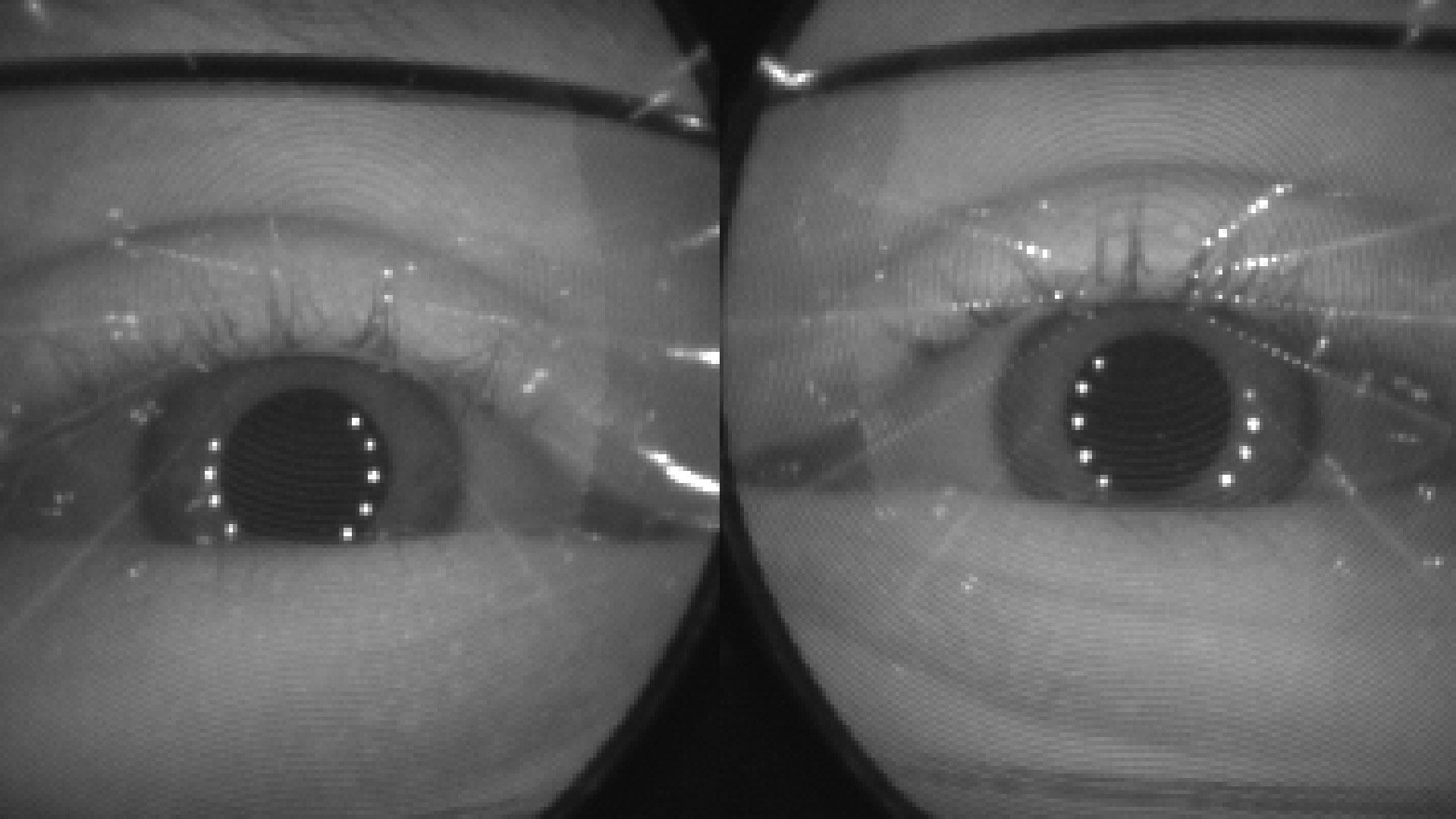
 www.roadtovr.com
Haptics, eye tracking etc on PCVR.
It's a big deal if true.
PSVR 2 Reportedly "jailbroken" for PC, Hackers Claim Eye-tracking and Haptics Unlock
A hardware hacker group previously behind the PSVR2Toolkit says it’s effectively “jailbroken” PSVR 2 for PC. When Sony released its PC adapter for PSVR 2 in 2024, it released the headset from PS5 exclusivity, allowing users to play SteamVR games on VR-ready PCs for the first time. Still, Sony...
www.roadtovr.com
cyberheater
PS4 PS4 PS4 PS4 PS4 PS4 PS4 PS4 PS4 PS4 PS4 PS4 PS4 PS4 PS4 PS4 PS4 Xbone PS4 PS4
I'm hearing mixed reviews for Maid of Sker.
SilentUser
Member
I don't have a Pro, but saw this thread on reddit:Have anyone tested No Man Sky on PSVR2? it uses PSSR. So maybe it uses PSSR2 now?
cyberheater
PS4 PS4 PS4 PS4 PS4 PS4 PS4 PS4 PS4 PS4 PS4 PS4 PS4 PS4 PS4 PS4 PS4 Xbone PS4 PS4
Looks super sharp.
