

Kupfer
Member
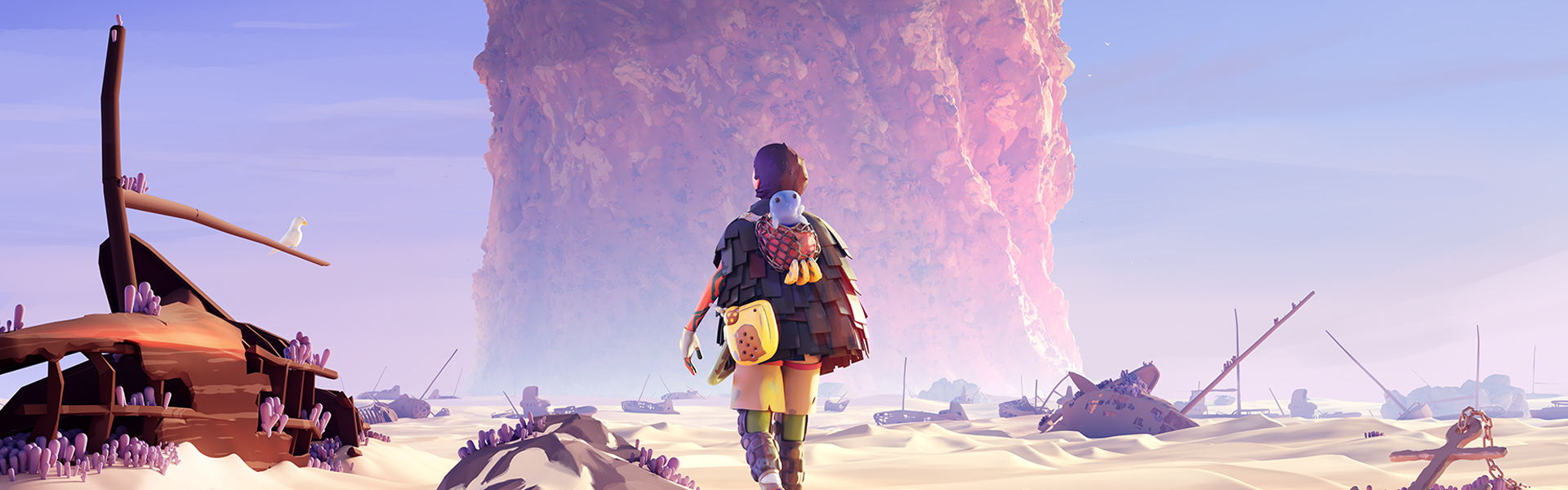
I am late to the party, but sometimes you have to wait for the right moment.
You take your time, pause the world, and sink into a game instead of chasing whatever is currently hyped.
Before we begin, I avoid spoilers. The screenshots are from the first chapter, and in case you have not played Jusant yet, I do not want to reveal more than that.
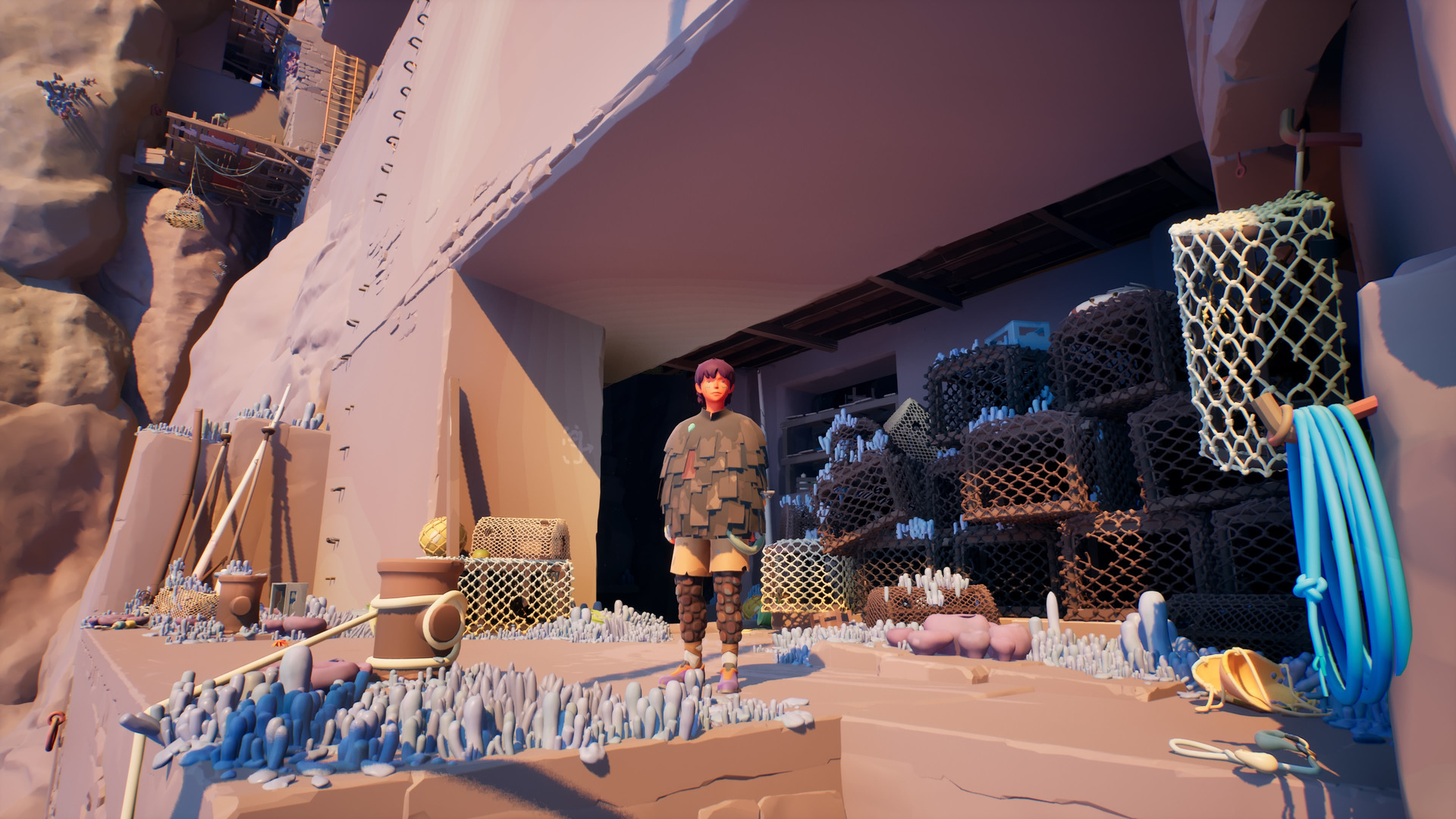
Here is where our journey begins
The opening grabbed me immediately. Beautiful and strangely detached at the same time. The world feels preserved, dried out, abandoned.
It has a unique atmosphere that sparks curiosity. And right away one question appears: Why does everything feel so ocean-like, even though there is no water? While climbing you constantly come across nautical remnants: docks built into the cliffs, dried out harbors, floating buoys dangling in mid air, ropes tied as if a ship might arrive any moment.
The higher you climb, the clearer it becomes: below you find simpler caves, makeshift shelters and improvised walkways, and later more extensive settlements with recognizable infrastructure. There are remnants of shops, workshops, agriculture, and places for leisure and community. You can tell that people here once lived an organized, vibrant life.
Only on second glance does an image form: the world adapted layer by layer to a sinking water level. People kept following the water downward, built new settlements and abandoned the old ones. The French speakers among us will not be surprised, because "Jusant" translates to "ebb tide".
Everything is abandoned and preserved by dryness. The world is not threatening but melancholic. A silence hangs in the air that tells the story of this place even better than words could.
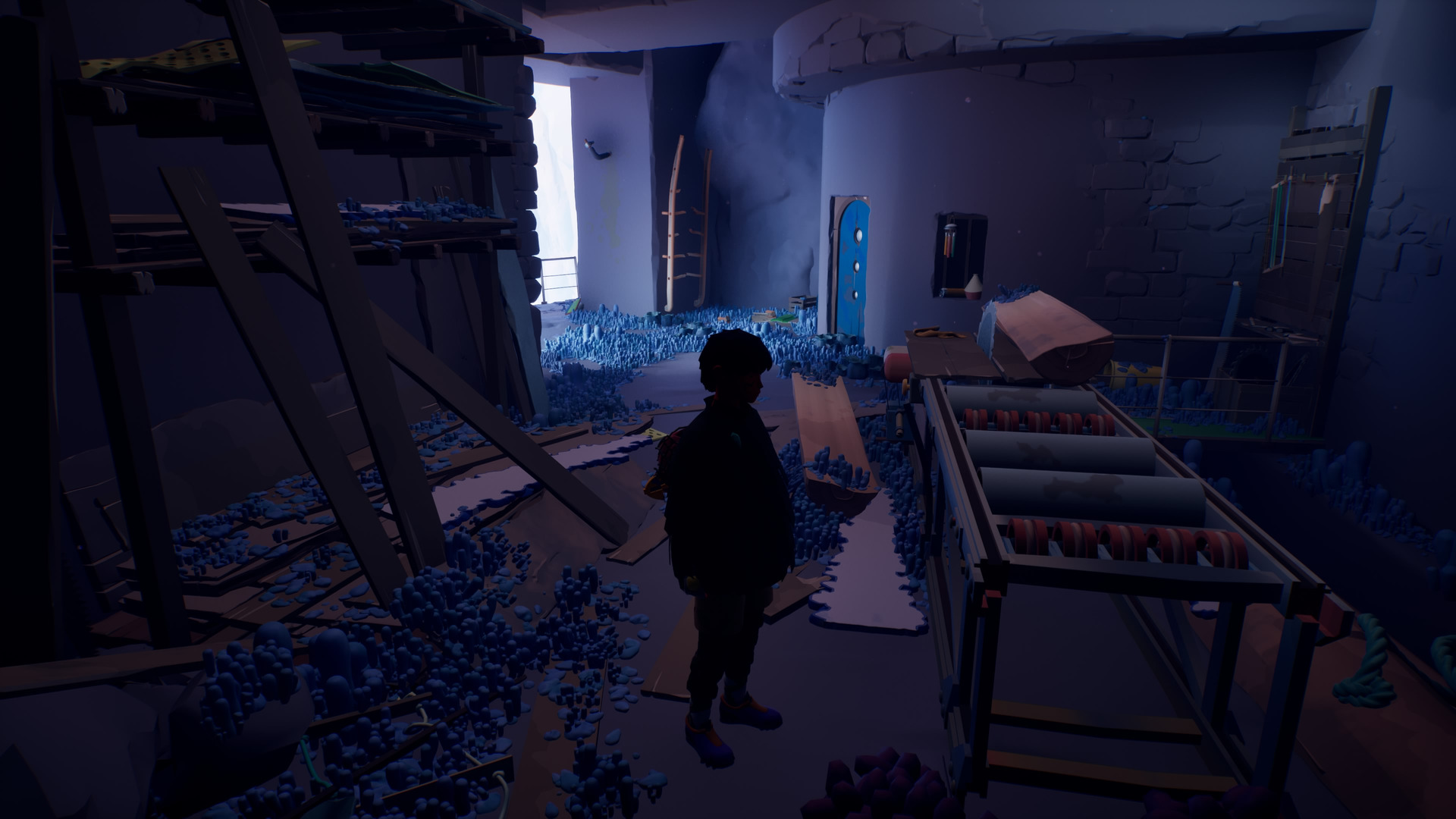
After a few climbing sections we reach a small makeshift workshop where scaffolding, walkways and boats were likely built
The style keeps reminding me of something slightly Studio Ghibli-like. Not directly, but in the way the world is constructed, how assets are placed, and how small details imply stories.
Where Ghibli often focuses on aviation, here everything revolves around nautical themes. The remnants of a once lively existence, framed by rock, sun and wind. Some setpieces feel like playable dreamscapes.
Jusant's art style is clear, warm and deliberately reduced. The world uses earthy colors, dusty light and soft pastel tones that never feel intrusive. Rocks, plants, wooden structures and old machinery are stylized yet believable, simplifying shapes without making them feel empty. This visual calm paired with a high level of detail perfectly fits the overall atmosphere. And even though some aspects evoke Ghibli, Jusant stands on its own and creates its own look and feel.
The soundtrack is phenomenal. Minimalistic, clear, emotional but never intrusive. It feels like the wind accompanying you. Some pieces build tension, others settle softly around the gameplay. In chapter 4, my favorite chapter, everything falls into place: music, visual language, atmosphere. I do not want to go into detail, but this chapter is where Jusant reaches its full potential and marks the climax of the game for me.
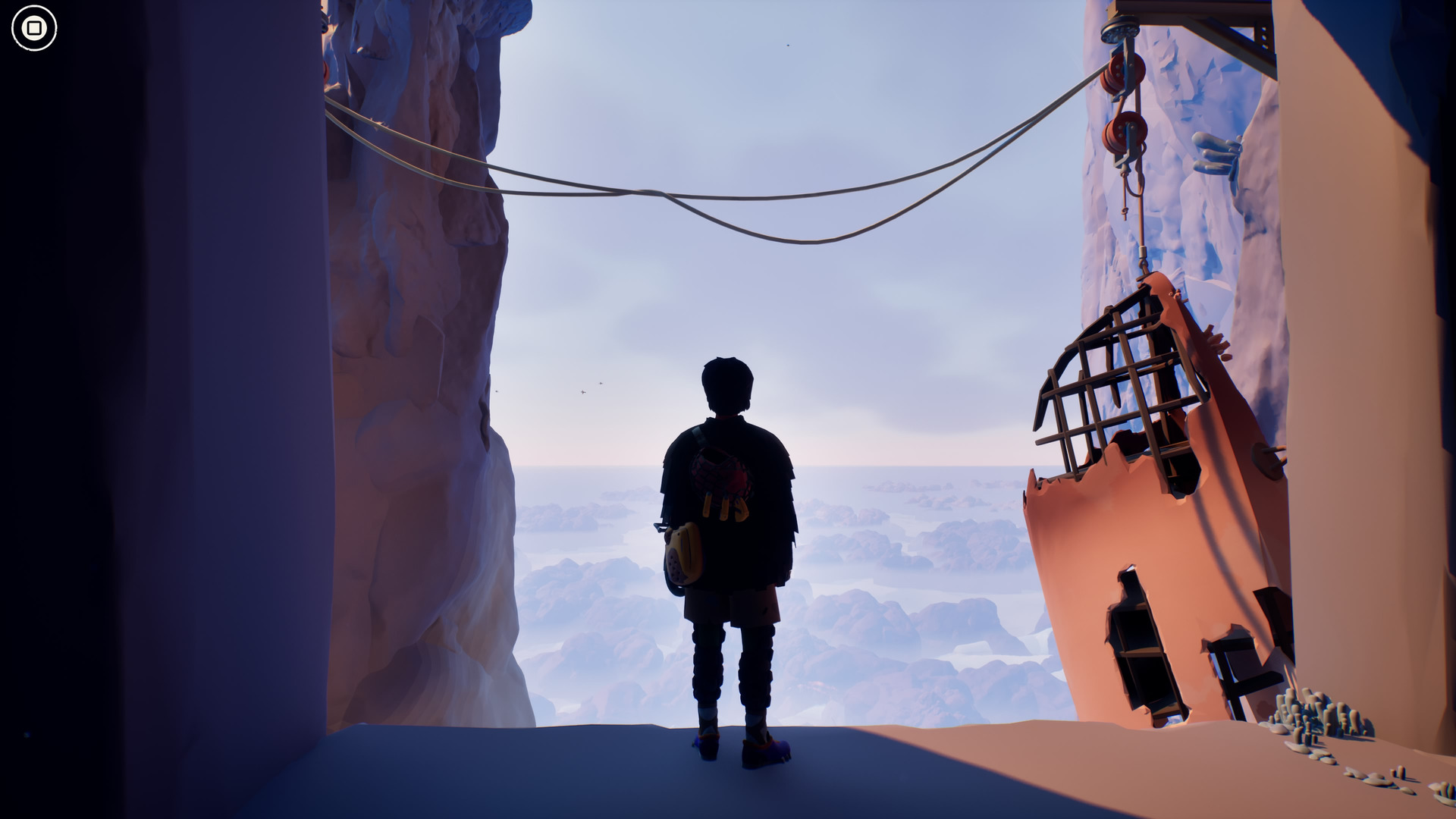
A little further in, we are rewarded with a view of an unspecified wasteland and continue climbing
Another aspect, maybe even the core of Jusant's worldbuilding, are the letters and notes you find everywhere. Most are from the time when the tower was still inhabited and give insight into everyday life, worries, hopes and the growing problems caused by the declining water. Then there are the texts from Bianca, which offer a different perspective. Together these notes paint a vivid picture of how the residents experienced this place, how they adapted, how they suffered and hoped. They open small windows into individual fates that together form a large melancholic panorama. Jusant is one of the few games in which I read every letter.
I consciously avoid quoting any specific notes. Discovering them is part of the experience. You read your way through the world while climbing through it. Over time you start to feel how differently people must have lived here, which conflicts shaped them and how their everyday life was influenced by the slow fading of their surroundings. And sometimes, a spark of humor finds its way in as well.
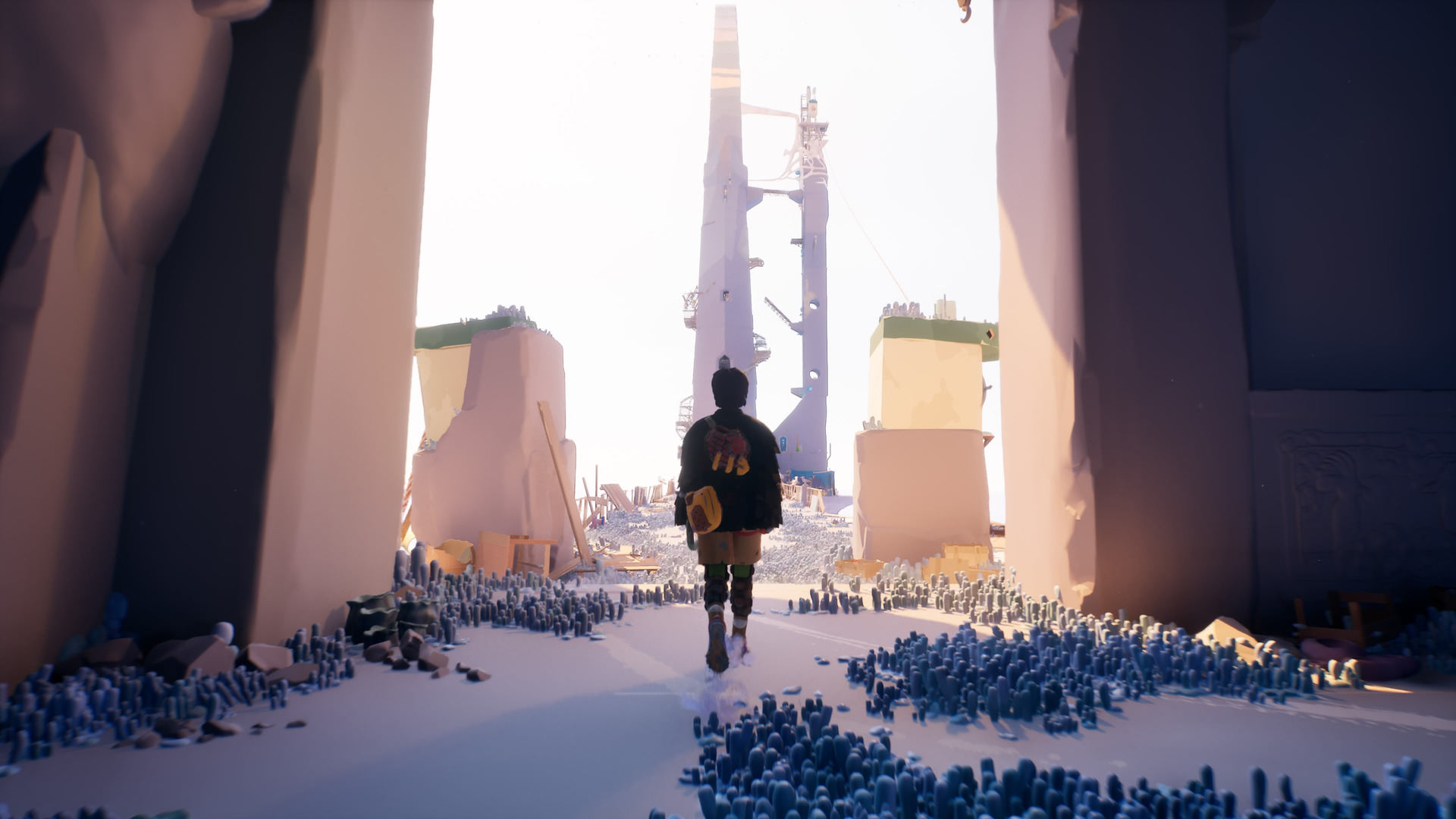
... until we finally reach our first destination. What might still be waiting for us?
The climbing is surprisingly fun. No stress, no pressure. More of a meditative ascent. Making use of the rope physics and climbing mechanics is pleasantly engaging and works well for the roughly six to seven hours of gameplay. There are collectibles like letters, rock stacks and other small discoveries, but they never feel like chores. They feel like natural curiosity. For the first time I got every collectible and earned the platinum without a guide, simply because I was genuinely interested in the world.
Jusant is melancholic but life-affirming at the same time. The world is dystopian but not threatening. More like a snapshot after a great shift, frozen in stillness.
If you want, you can draw parallels to our real world and its issues, or you can simply let Jusant be Jusant.
Every section has its own magical moments. And it is worth climbing this tower step by step, grip by grip.
If you have not played it yet, wait for a quiet day when you can let yourself fall into a game like this and take your time. Listen to the game, read the letters without skimming them. Jusant is not a loud game. It does not need applause. It simply wants to be accompanied. And that is exactly what makes it so special.
Definitely one of the highlights of this year for me and a reminder of why I fell in love with gaming decades ago.
Last edited:


