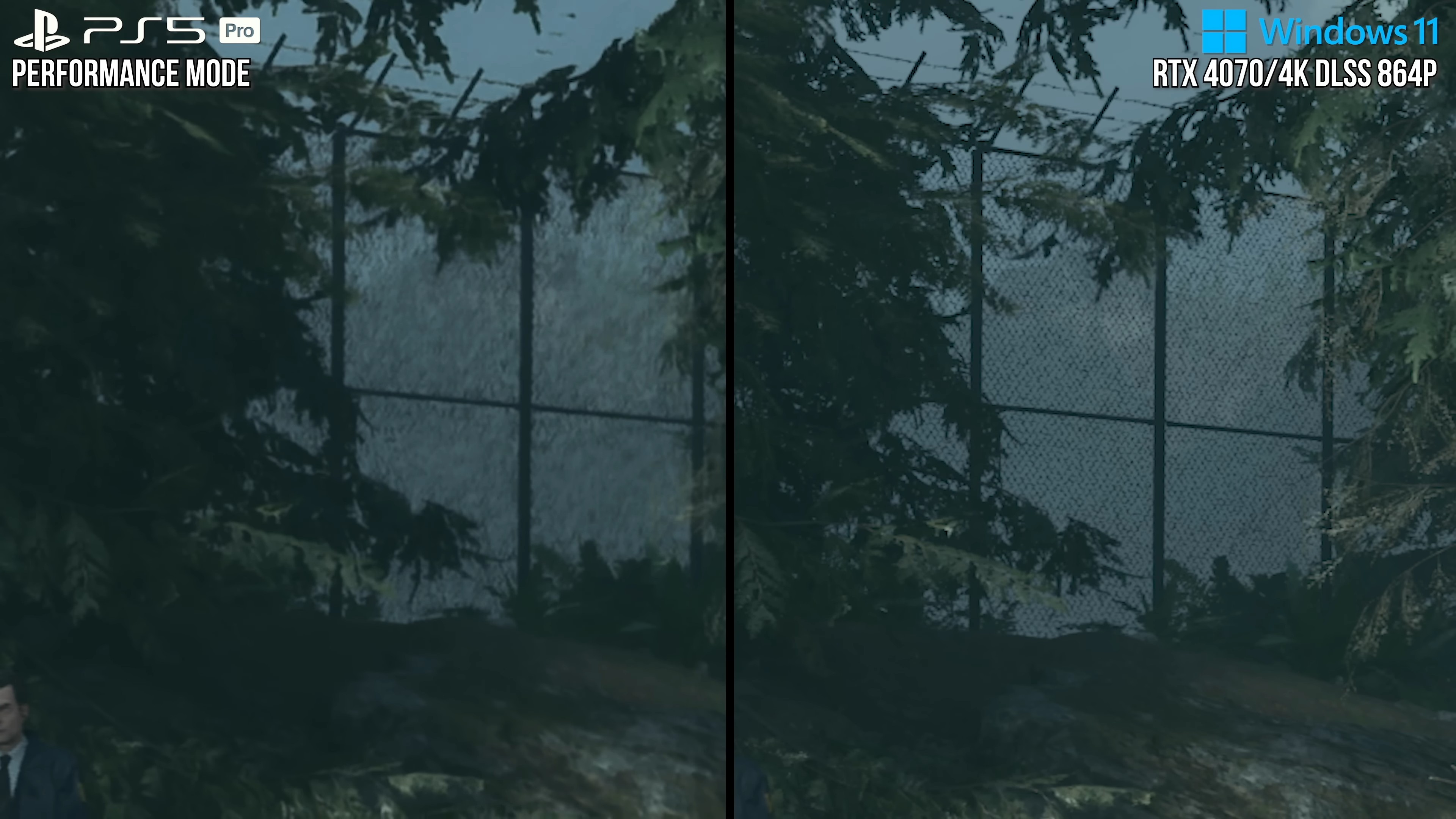
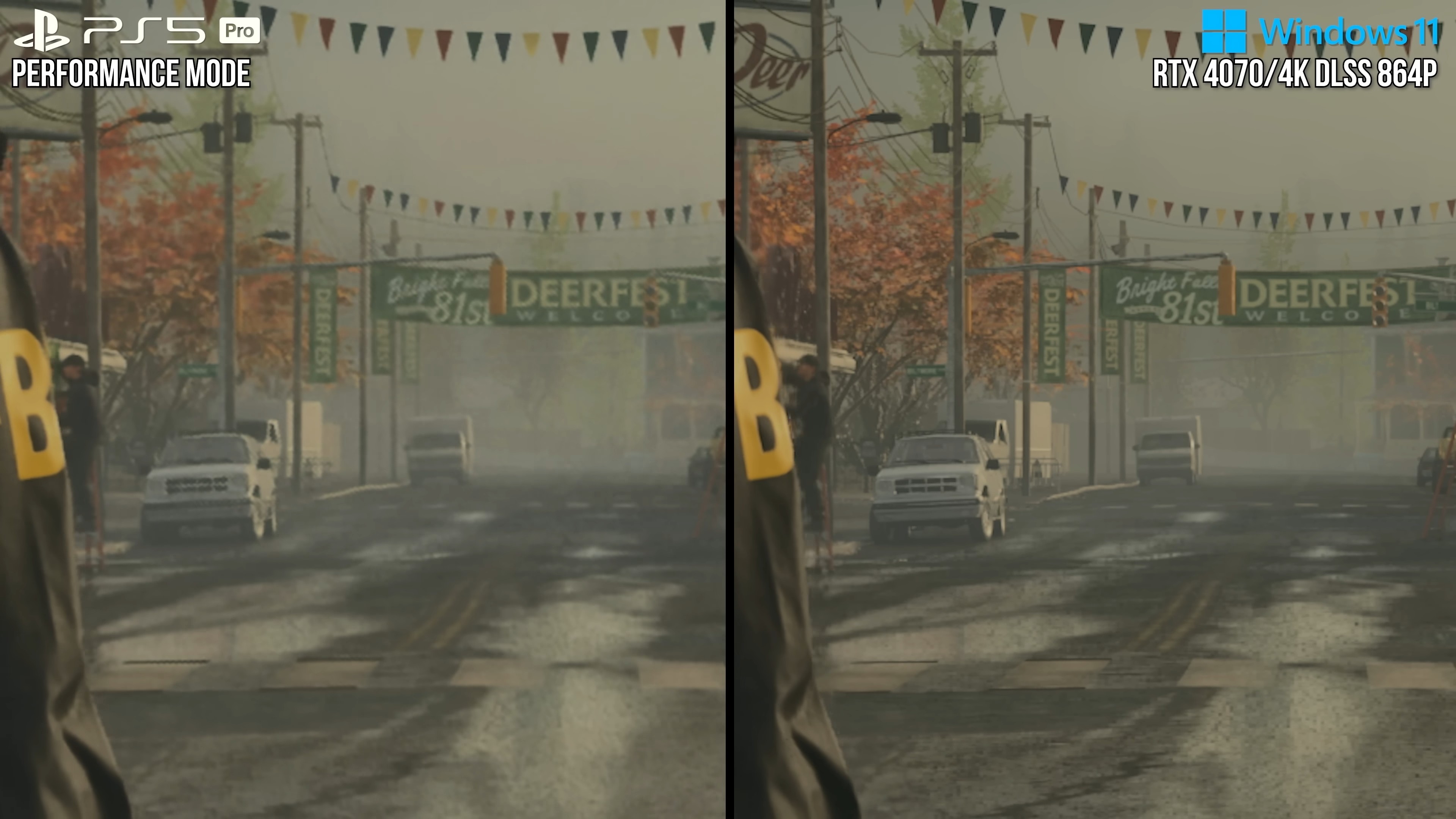
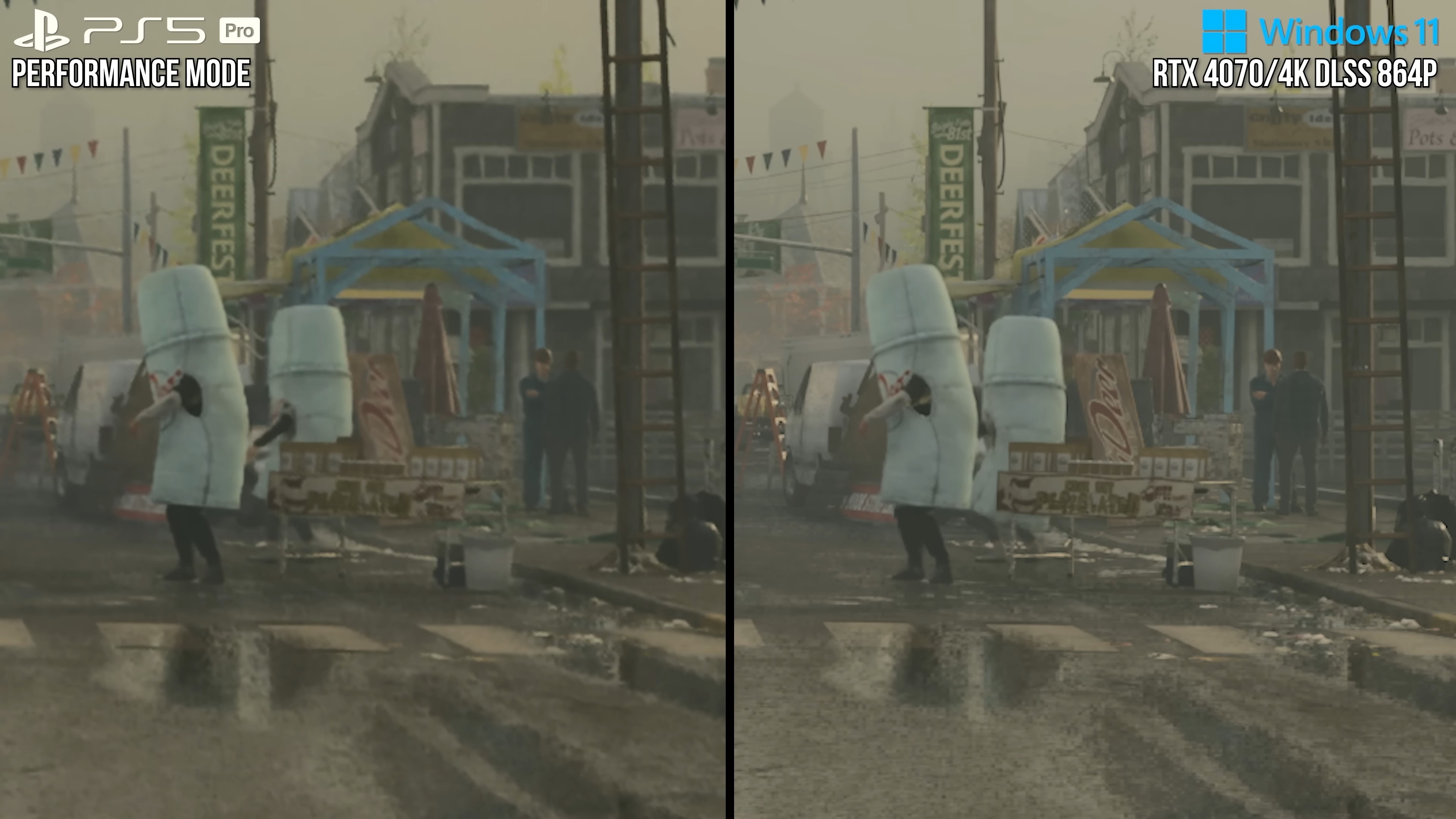
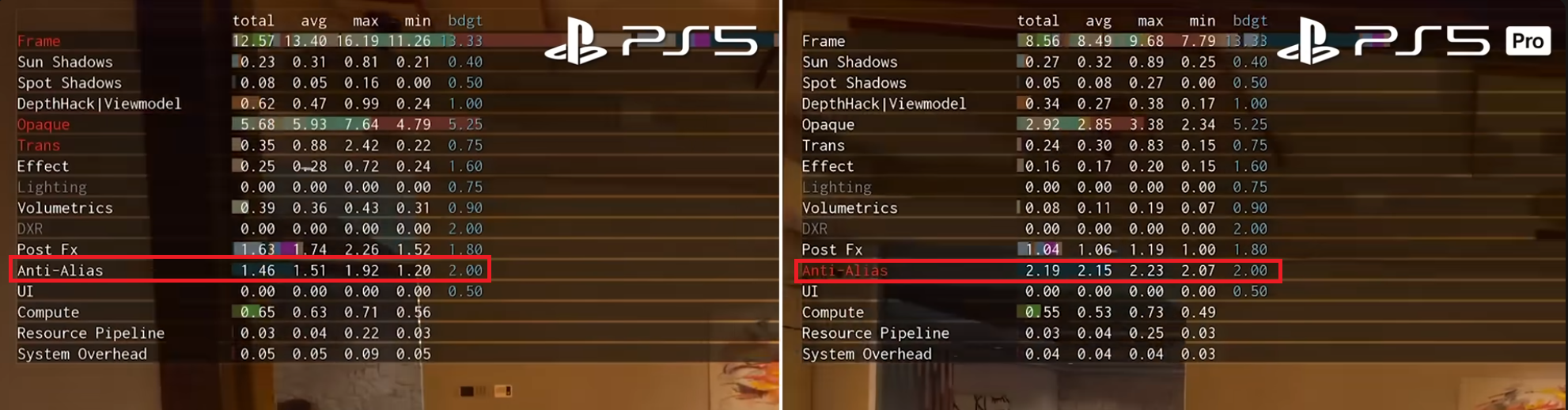
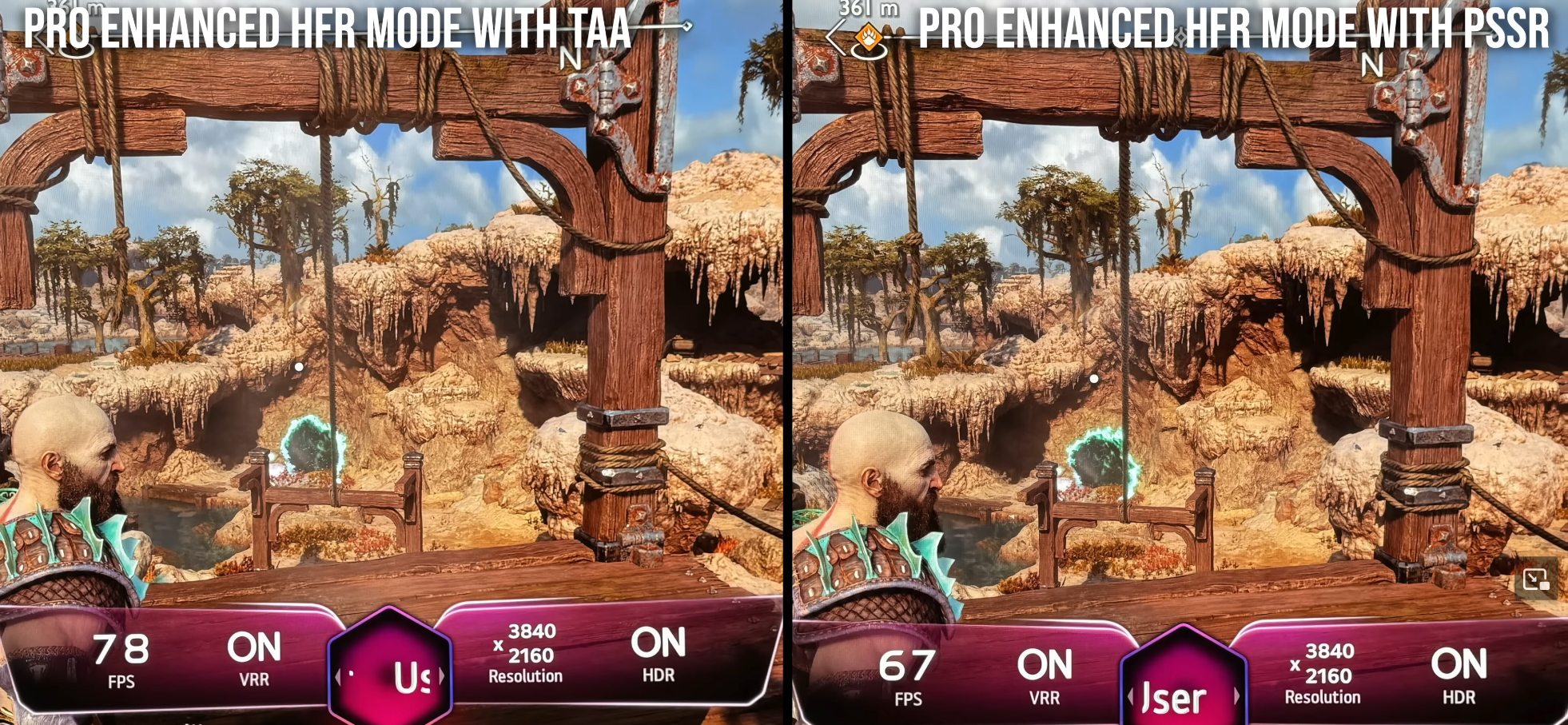
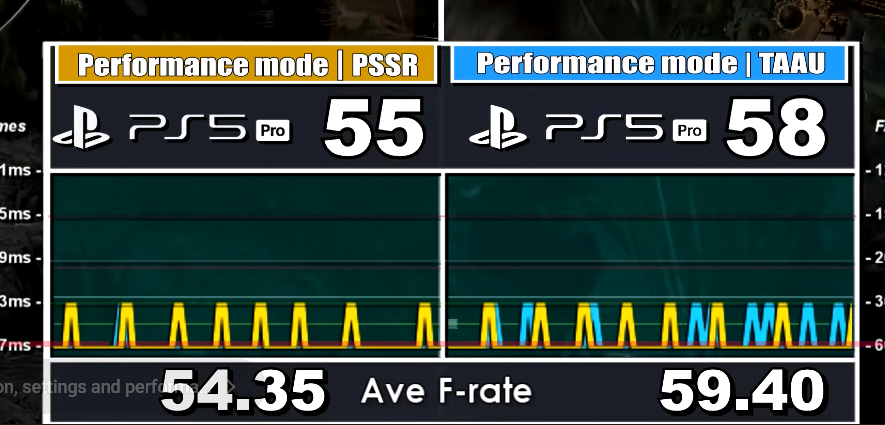
The full DLSS model literally cannot run on 27 INT8 TOPS at the required resolution and latency. Hence, no 60fps games use DLSS 3.7. This is why Nvidia had to design a downsized, low-capacity network for Switch. The hardware determines the maximum possible model size. That's not the case on PS5 Pro. PS5 Pro's 300 INT8 TOPS is enough to run a full-scale model, similar in size to what DLSS uses on PC. Whatever issues PSSR has today aren't because the hardware forced Sony to cut the model down, they're simply the result of early model design, training data, or implementation choices. That's why Sony can meaningfully improve PSSR with updates, because the hardware is more than powerful enough. PSSR, like DLSS, can have better models that don't require additional processing time. It doesn't mean the PS5 Pro Hardware wasn't fully utilized, it's just that the newer iteration of PSSR can use that much larger compute to run a better model. I said that the Switch model can potentially also improve, but I was pretty clear in that any gains would be limited as it is so heavily constrained by hardware. Yes, PS5 Pro games still have frametime budgets, ray tracing costs, etc. But that's a different type of constraint than what Switch faces. Frametime budgets restrict how fast a model can run, not how big the model is allowed to be. On Switch, tiny DLSS was created because the full model is physically not viable for all scenarios. On PS5 Pro, PSSR is not facing issues because the hardware is the bottlenecks. The difference is PS5 Pro's constraints aren't forcing a reduced-capacity neural network, while Switch's constraints are. Hence, why comparing PSSR to tiny DLSS in terms of "both are limited by budgets" misses the key point, that one is a hardware-mandated downscaled model while the other is not.



 get a therapist

 because artifacts are far more present and annoying on handheld mode and impossible to ignore. But I can live with it.