IbizaPocholo
NeoGAFs Kent Brockman
Welcome back to Is It Still Fun Today?, our show where we revisit classic games to see how they hold up. With Resident Evil Requiem approaching (and with IGN turning 30), we thought it would be a good time to replay the original Resident Evil from 1996.
- 00:41 Resident Evil (1996) is revisited as a genre-defining classic that launched a franchise still thriving nearly 30 years later.
- 01:06:00 Early memories highlight how intimidating the original game was, especially its FMV cutscenes and horror tone for younger players.
- 01:51:00 Clunky tank controls are acknowledged as a core challenge, but also part of the game's appeal once players adjust expectations.
- 02:32:00 Many panelists bonded with Resident Evil through later remakes, especially the GameCube remake, rather than the original PS1 version.
- 04:49:00 After replaying it over the holidays, the group agrees Resident Evil is still fun today, with some caveats for modern players.
- 05:17:00 The classic survival-horror style feels refreshing and unique in today's landscape, since few modern games replicate it.
- 06:30:00 ️ Newcomers raised on RE4-style action should expect slower pacing, heavy backtracking, and old-school design philosophies.
- 07:29:00 ️ Playing both the 1996 original and the 2015 remaster highlights strong nostalgia for early polygonal PlayStation-era visuals.
- 10:14:00 Enemy dogs are consistently cited as the most dangerous and frustrating threat in both the original and remake.
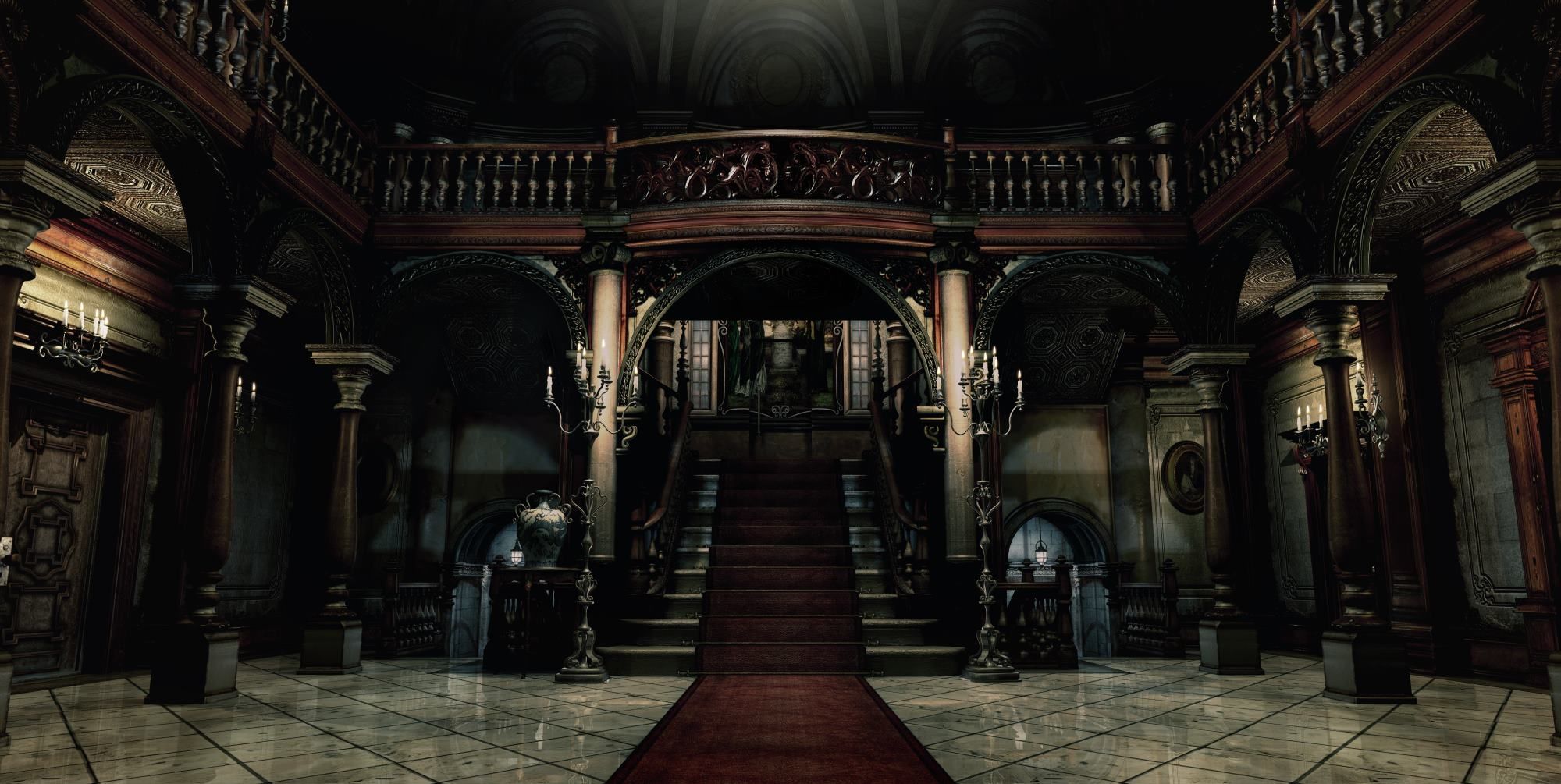
- 11:00:00 Pre-rendered backgrounds, fixed camera angles, and lighting are praised for strong cinematography and tension-building.
- 13:47:00 Resident Evil plays more like a point-and-click adventure than a shooter, emphasizing puzzles, inventory management, and exploration.
- 16:22:00 Door-loading animations are divisive but appreciated for enhancing suspense and dread before entering new rooms.
- 17:20:00 Resident Evil's roots trace back to Sweet Home, with Tokuro Fujiwara's horror pedigree shaping the series' DNA.
- 17:48:00 The original RE1 was initially planned as a first-person game before Shinji Mikami took over and redefined it as survival horror.
- 18:17:00 Capcom's creative lineage is highlighted, linking Resident Evil to influential filmmakers and classic titles like Bionic Commando and Ghouls 'n Ghosts.
- 19:12:00 The save room music is universally praised as iconic, atmospheric, and a key part of the game's emotional rhythm.
- 20:24:00 Sound design is essential, teaching players which enemies are nearby through distinct audio cues before they are seen.
- 21:33:00 Voice acting in the original is famously awkward and unintentionally funny, becoming part of Resident Evil's charm.
- 23:13:00 The remake smartly reimagines moments, like dogs breaking into the mansion, by turning cutscenes into playable threats.
- 24:35:00 ️ Tank controls remain largely unchanged, but alternate modern controls in the HD remaster are more approachable for new players.
- 25:46:00 Fixed camera angles and tank controls are intentionally designed to work together, rewarding mastery over time.
- 28:36:00 Gunplay relies heavily on auto-aim, emphasizing positioning and timing rather than precise manual aiming.
- 30:01:00 Inventory management is a core challenge, with limited slots, item boxes, and ink ribbons shaping tension and pacing.
- 31:37:00 The gameplay loop mirrors Metroidvania-style progression, built around save rooms, backtracking, and gradual mansion mastery.
- 32:59:00 A strong flow state emerges once players know routes and tools, making efficient navigation deeply satisfying.
- 33:26:00 Capcom frequently subverts expectations with scripted scares and rule-breaking enemy behavior.
- 34:21:00 Chris's campaign is argued to be more tightly designed than Jill's, despite fewer inventory slots, due to smarter progression balance.
- 35:18:00 Remake-only changes, like one-way broken doors, are clever but deliberately frustrating twists on the original design.
- 35:33 Extremely limited inventory is the biggest hurdle for newcomers, forcing frequent backtracking and tough item choices.
- 35:58 The game often requires items without warning, leading players to reload saves or retrace large sections of the mansion.
- 36:12 ️ A lightweight guide that only lists required inventory items can significantly reduce frustration without spoiling puzzles.
- 36:41 Recommendation: play another Resident Evil first (RE2 or RE3 remake) to learn series fundamentals before starting RE1.
- 37:09 Resident Evil has a consistent "design language" across entries, making older games easier to appreciate after newer ones.
- 37:38 Despite changes over time, core ideas persist through RE7, Village, and even upcoming entries, reinforcing the series' identity.
- 38:08 ️ The friction and frustration of older design are valuable for understanding how games felt at the time and how the medium evolved.
- 38:48 RE1 is still fun, but part of that fun comes from engaging with its dated systems as a historical experience.
- 39:16 Playing RE1 builds "institutional knowledge" that deepens appreciation for later games in the long-running series.
- 40:12 The shark section is widely considered the scariest part, exploiting slow movement in water and primal fear.
- 40:40 Environmental storytelling shines in the shark set piece, with visual details like portholes and ramming glass building tension.
- 41:21 Chris's campaign includes a memorable character death by the Neptune shark, rewarding players with a powerful shotgun.
- 42:04 A lab photo showing Wesker in sunglasses is a standout comedic moment that perfectly captures Resident Evil's campy charm.
- 42:19 ️ Final verdict: Resident Evil is still fun today, but expect clunky controls, heavy backtracking, and a learning curve for first-timers.