The logic is clear there - younger crowd prefer social gaming as as time goes by, their share in total playerbase will increase (it's already is) and oldschoolers share decrease. No one live forever and as we become older, we tends to play less on average, leaving more room for new generations. Those who play Fortnite now might try SP games when they get older or they might stay with games they familiar with.
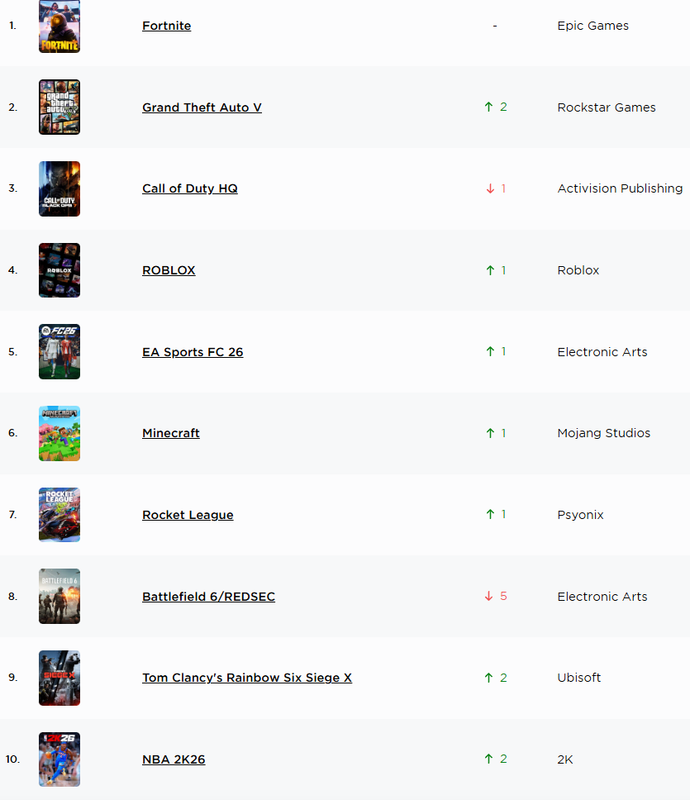
30 years ago live service was some hundreds thousands people market. 20 years ago it rose to some millions. 10 years ago it should be tens to hundred million people, and now it's probably over a billion gaas players (including casuals and mobile players). It growing fast and often at the expense of traditional gaming (like casuals used to play on consoles too)
You have to have some luck and "players resonance" in SP games too.
And it's actually ~easier~ for GaaS titles as a lot of their attractiveness coming from social aspects (as they are called social gaming) that is easier to control, making it even less of lottery that SP games.
To make a successful gaas you need knowledge, experience and refined business processes, things most western devs lacks, the reason many of them fails on this venture. If you have them, like many asian devs who run live service games for decades, creating a successful game much easier and predictable. Complete flops are rare there and some even work-for-hire, not a thing if it really would be lottery. Netease and Tencent proved that it's not an impossible task to convert IP into gaas with very high rate of success.