

RedC
Member
- Why now: IGN's 30th anniversary is a good moment to look back at horror games that defined the genre and pushed gaming forward.
- What makes horror special: It's one of the most fast-evolving genres—constantly reinventing how it scares, pressures, and shocks players.
- Genre range: Horror games went from minimalist text/pixel beginnings to today's hyperreal, ultraviolent, cinematic experiences.
- Early foundations (simple, effective fear):
- Text adventures like Mystery House and Transylvania = dread through imagination.
- Maze panic like Haunted House = vulnerability + claustrophobia.
- Even Space Invaders = "inevitable doom" pressure as enemies descend.
- Shadowgate (1987) — early blueprint:
- Immersive first-person perspective + cryptic world + strong writing.
- Environmental puzzles that later influenced games like Resident Evil and Silent Hill.
- Icon Simulations made Beyond Shadowgate, then shuttered in 1997.
- Not a modern mega-franchise, but historically important.
- Doom (1993) — horror DNA inside the FPS revolution:
- Often remembered for FPS innovation, but it's also packed with horror: dark corridors, brutal sound design, demons, gore.
- Influenced by Alien and Evil Dead vibes.
- Doom 3 leaned harder into shadows/jump scares; later entries kept creature horror but scaled up the action.
- Clock Tower (PS1, 1996) — stalker horror done right:
- Upgraded the earlier Clock Tower idea with 3D, voice, and deeper villain focus (Scissor Man).
- Minimal soundtrack = long tension stretches, then sudden cinematic shocks.
- Inspired by Italian horror pacing (Suspiria/Phenomena-type vibe).
- Multiple endings + branching paths.
- Resident Evil (1996) — survival horror mainstreamed:
- Mansion setting = perfect horror sandbox (keys, locks, unknown rooms).
- Zombie inspiration + puzzle-box level design + limited resources.
- Cinematic locked camera angles hide threats and build tension.
- REmake (2002) elevated it with new visuals + added disturbing story beats (Lisa Trevor).
- Alone in the Dark (1992) — prototype influence:
- Originated many building blocks later perfected by Resident Evil.
- Castlevania: Symphony of the Night (1997) — horror power fantasy:
- Mixed gothic horror with exploration RPG progression (Metroidvania formula).
- Huge castle, item-gated exploration, grinding, secrets, bosses, twist that flips the map.
- Inspired a generation of Metroidvania games.
- Silent Hill (1999) — psychological dread + technical tricks:
- Fog/lighting turned hardware limits into atmosphere.
- More tragic/morose narrative tone than typical survival horror.
- Multiple endings; wildly bizarre enemy design.
- Cemented as one of the most important horror franchises.
- Eternal Darkness (2002) — sanity as gameplay + fourth-wall horror:
- Unreliable reality as a mechanic (hallucinations, fake TV tricks, bugs on screen).
- Brilliant concept; remains a one-off.
- Fatal Frame II: Crimson Butterfly — camera-based terror:
- The camera isn't just a tool; it forces you to face ghosts up close.
- Deeply scary, uncomfortable atmosphere.
- Resident Evil 4 (2005) — action/horror rebalanced:
- Reinvented third-person action design for the entire industry.
- Rural folk horror setting + brutal set pieces + upgrade loop.
- Still horror through violence, creature design, and constant lethal pressure.
- 2023 remake reinforced its "all-timer" status.
- Condemned: Criminal Origins (2005) — dirty, personal horror:
- Limited guns; improvised melee makes fights feel brutal and intimate.
- Forensics + urban grime + lingering nastiness.
- F.E.A.R.: Extraction Point — FPS horror tuned up:
- Combines shooting with slow-mo "bullet time" and risk-reward movement.
- Siren: Blood Curse — stealth horror tension:
- Creeping, hiding, listening, waiting—heart rate as the soundtrack.
- Disturbing creature design.
- Dead Space (2008) — modern sci-fi survival horror peak:
- Dismemberment combat + industrial nightmare atmosphere.
- 2023 remake proved the core formula still hits.
- Amnesia: The Dark Descent (2010) — indie horror landmark:
- Sanity tied to darkness + vulnerability + physics puzzles.
- Strong Lovecraft-style dread.
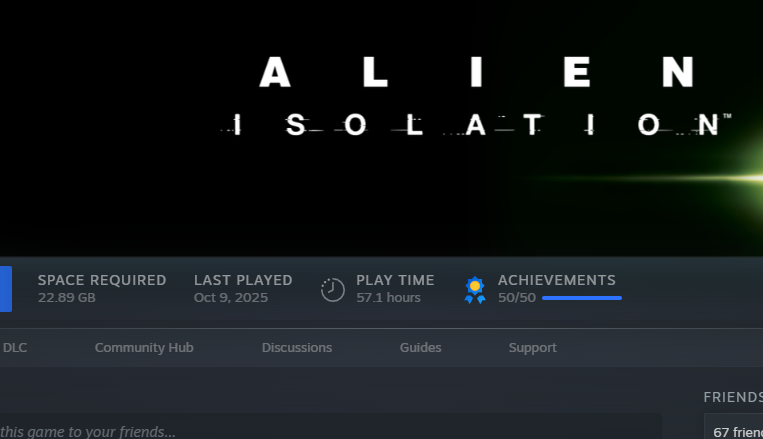
- Alien: Isolation (2014) — elite cat-and-mouse
- Xenomorph AI feels adaptive and unpredictable.
- Vintage spaceship recreation = immaculate atmosphere.
- A new sequel is in early development (per the script's claim).
- Five Nights at Freddy's (2014) — new generation gateway horror:
- Point-and-click surveillance pressure cooker + jump scares.
- Massive youth audience adoption; spawned sequels and films.
- Bloodborne — FromSoft's horror apex:
- Fast, aggressive combat in a gothic plague nightmare.
- Dense lore, oppressive world design, unforgettable creature roster.
- SOMA (2015) — underwater existential horror:
- Powerless survival in a doomed ocean facility.
- Gradually escalates into "hopeless" revelations.
- Choice-driven horror wave:
- The Walking Dead (2012) made branching narrative feel personal and devastating.
- Until Dawn (2015) turned slasher tropes into replayable group fun.
- Inside (2016) — minimalist brutality perfected:
- Monochrome dread, sudden violent deaths, subtle storytelling.
- Dead by Daylight (2016) — multiplayer horror that scales:
- Asymmetrical killer vs survivors format.
- Became a celebration of horror icons through collabs.
- PT (2014) — the shockwave that reshaped indie horror:
- Looping hallway nightmare; cancelled follow-up became the industry's biggest "what if."
- Inspired successors like Visage.
- Resident Evil modern resurgence:
- RE7 (2017) returned to tense survival horror in first person.
- RE2 Remake (2019) modernized the classic without losing the fear.
- RE4 Remake (2023) widely hailed as an all-time remake.
- Lo-fi horror renaissance:
- Retro/PS1-style visuals are back as an intentional aesthetic.
- Signalis (2022) and Mouthwashing (2024) push modern horror through old-school presentation.
- Big takeaway: Horror games keep mutating—new tech, new storytelling, new fear mechanics—so the genre never stays still.
- Call to action: Share your favorite horror game experiences—the list is never complete.




 …. ok. I approve the list.