IbizaPocholo
NeoGAFs Kent Brockman
Remember Mini Consoles like the NES and Super NES Classic? Whatever happened to them, and why did we never see a Dreamcast classic or N64 classic? In today's episode we revisit this era of mini classic consoles and discuss how they no longer are as popular as they once were.
- 00:00–00:52 — The video explains how the mini console craze began with the launch of the Nintendo NES Classic Edition in 2016. Despite earlier attempts by other companies, Nintendo's version became a massive success thanks to its nostalgic design, 30 built-in games, and affordable $59.99 price.
- 00:52–02:24 — Demand for the NES Classic exploded, causing shortages and heavy scalping online. The creator recalls buying into the hype and FOMO personally, eventually realizing the devices became more collectible display pieces than systems he actively played.
- 02:44–03:27 — The NES Classic's Linux-based hardware was quickly hacked, allowing users to add hundreds of ROMs and emulator cores. This openness helped extend the console's popularity among retro gaming enthusiasts.
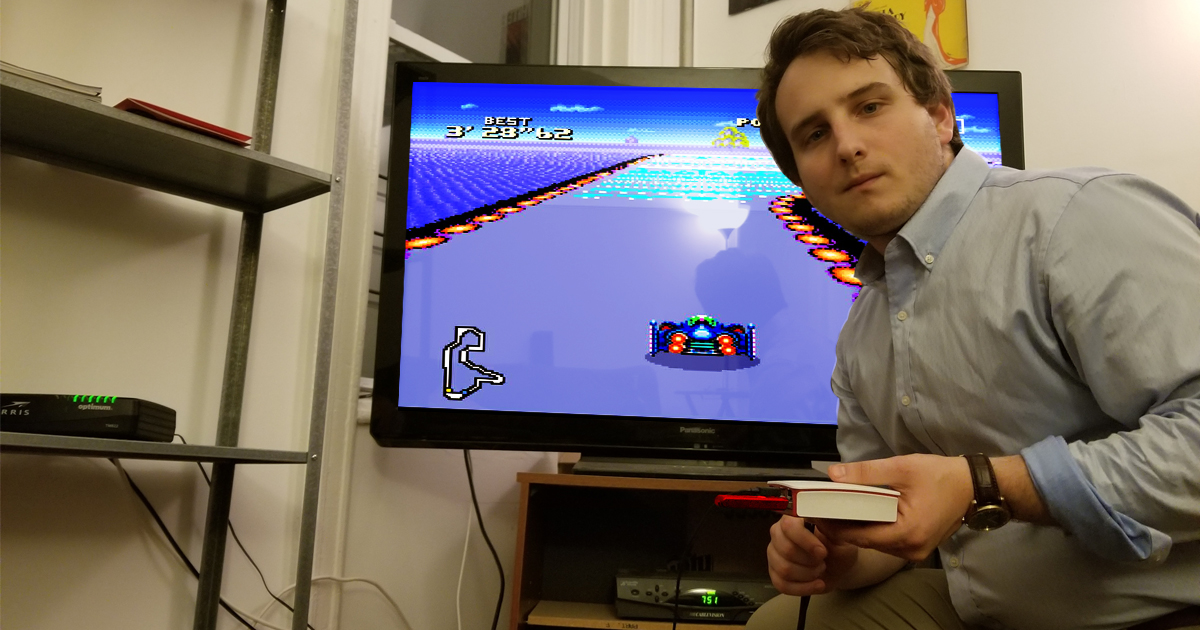
- 03:27–04:36 — Nintendo followed up with the Super NES Classic Edition in 2017, featuring 21 games and the previously unreleased Star Fox 2. The creator considers this the peak of the mini console era, praising its emulation quality and convenience.
- 04:58–06:47 — Sony entered the market with the PlayStation Classic in 2018, but it was heavily criticized for poor PAL 50Hz game versions, lack of display options, and reliance on open-source emulation. The device was hacked quickly, further undermining its value.
- 06:47–07:56 — Sega released the Sega Genesis Mini in 2019, widely praised due to excellent emulation work by M2. The later Genesis Mini 2 added even more games and Sega CD titles, but by then consumer interest had already started fading.
- 07:56–08:56 — The creator argues that Nintendo Switch Online played a major role in killing mini consoles. Once retro games became easily accessible on an existing hybrid console, dedicated mini hardware felt unnecessary.
- 08:56–10:13 — Products like the Game Gear Micro symbolized the decline of the trend. At the same time, FPGA systems such as Analogue products and the MiSTer FPGA gained popularity by offering far more accurate recreations of retro hardware.
- 10:13–11:49 — Cheap handheld emulators from brands like Retroid and Anbernic further weakened the appeal of mini consoles by providing more flexibility, portability, and value for money.
- 11:49–13:17 — The video concludes that mini consoles are now mostly niche collector items. The market has shifted toward full-sized recreations and FPGA hardware capable of using original cartridges and peripherals. The creator believes the window for devices like a Dreamcast Mini or Saturn Mini has likely closed.


![L*][*N*K](/data/avatars/m/842/842515.jpg?1778843913)