Yes, the B450M will probably still only work at Gen3. That means a GPU like the 5060 will only have 8GB/s of bandwidth to transfer data from the CPU to the GPU.
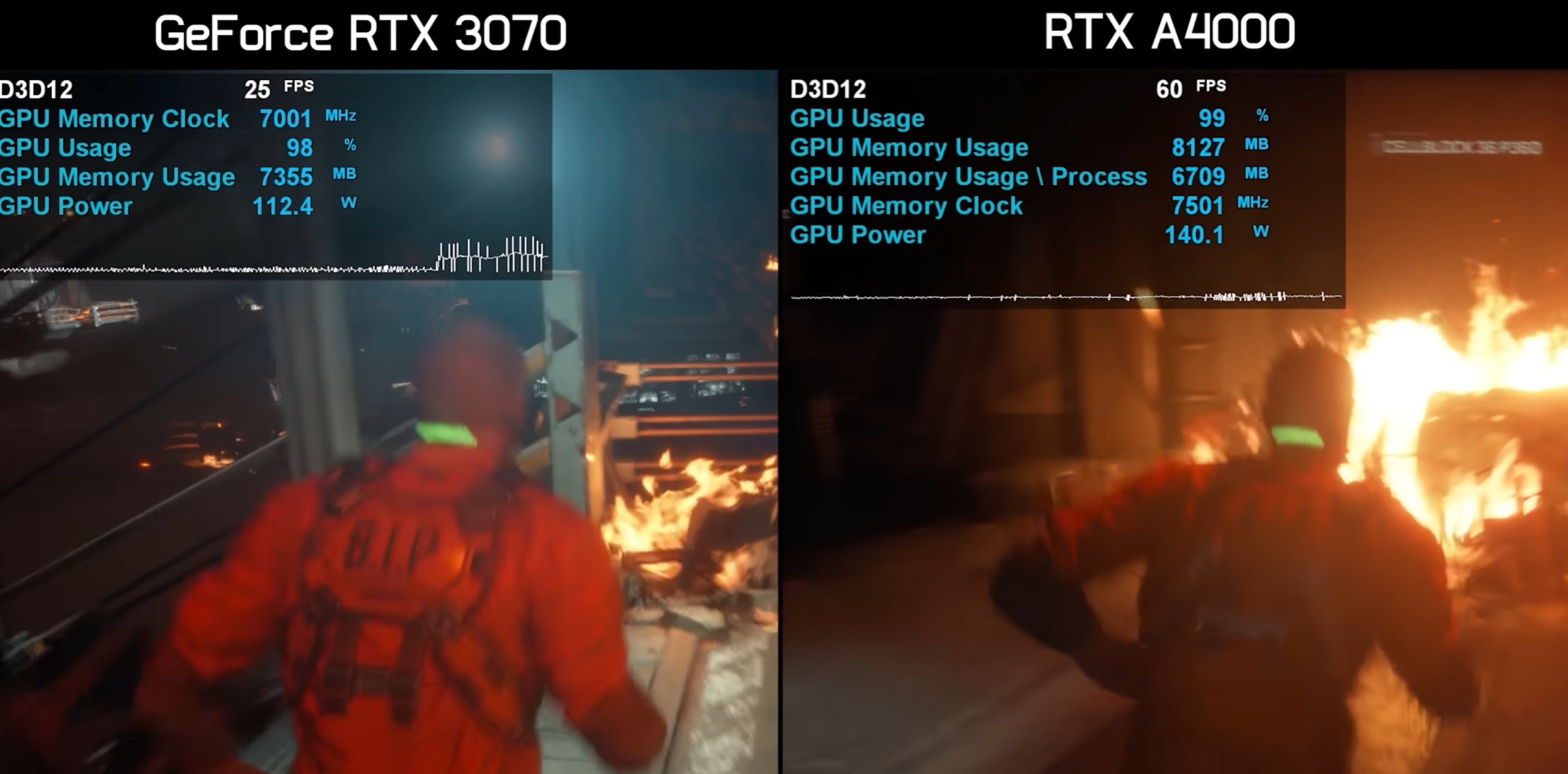
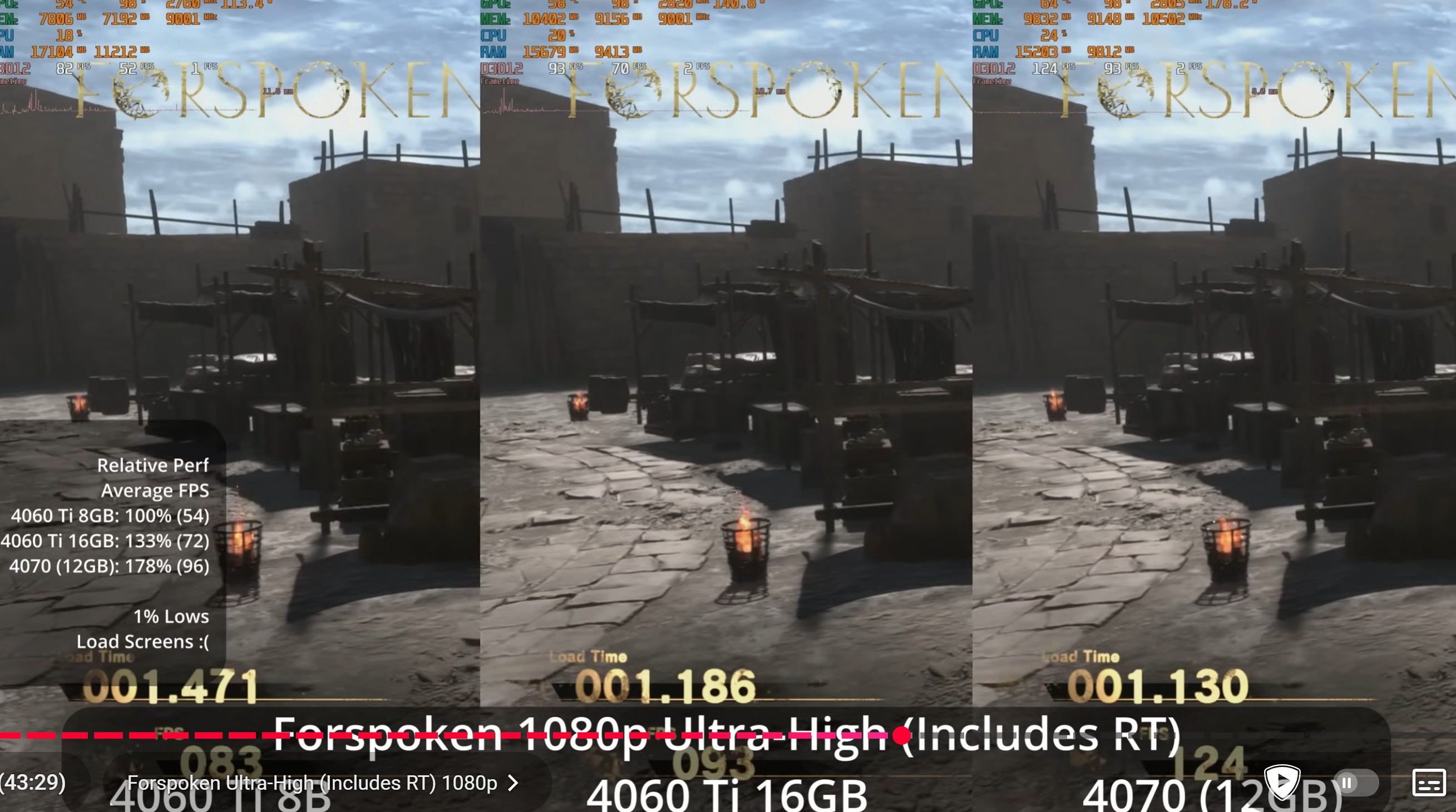
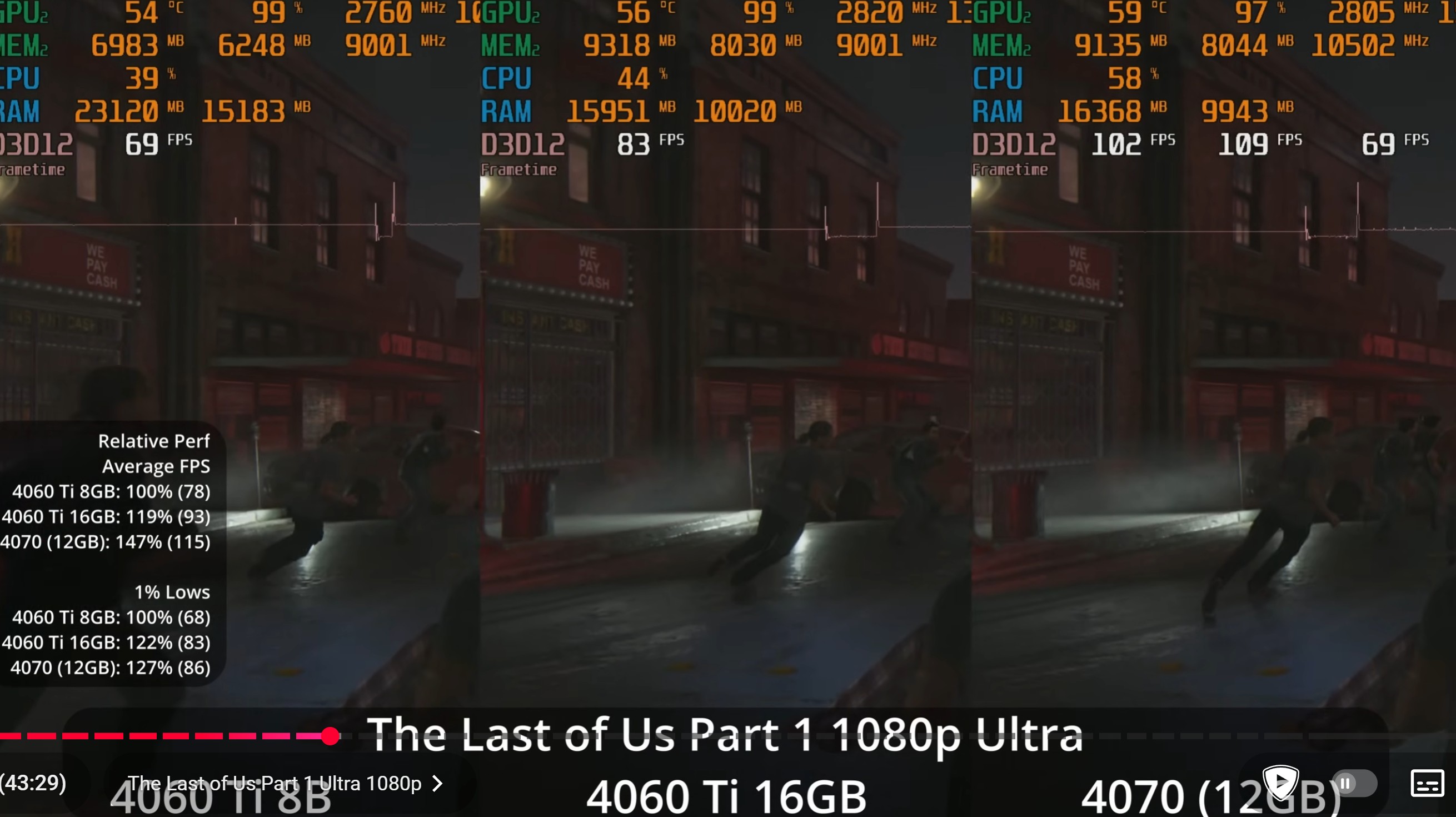
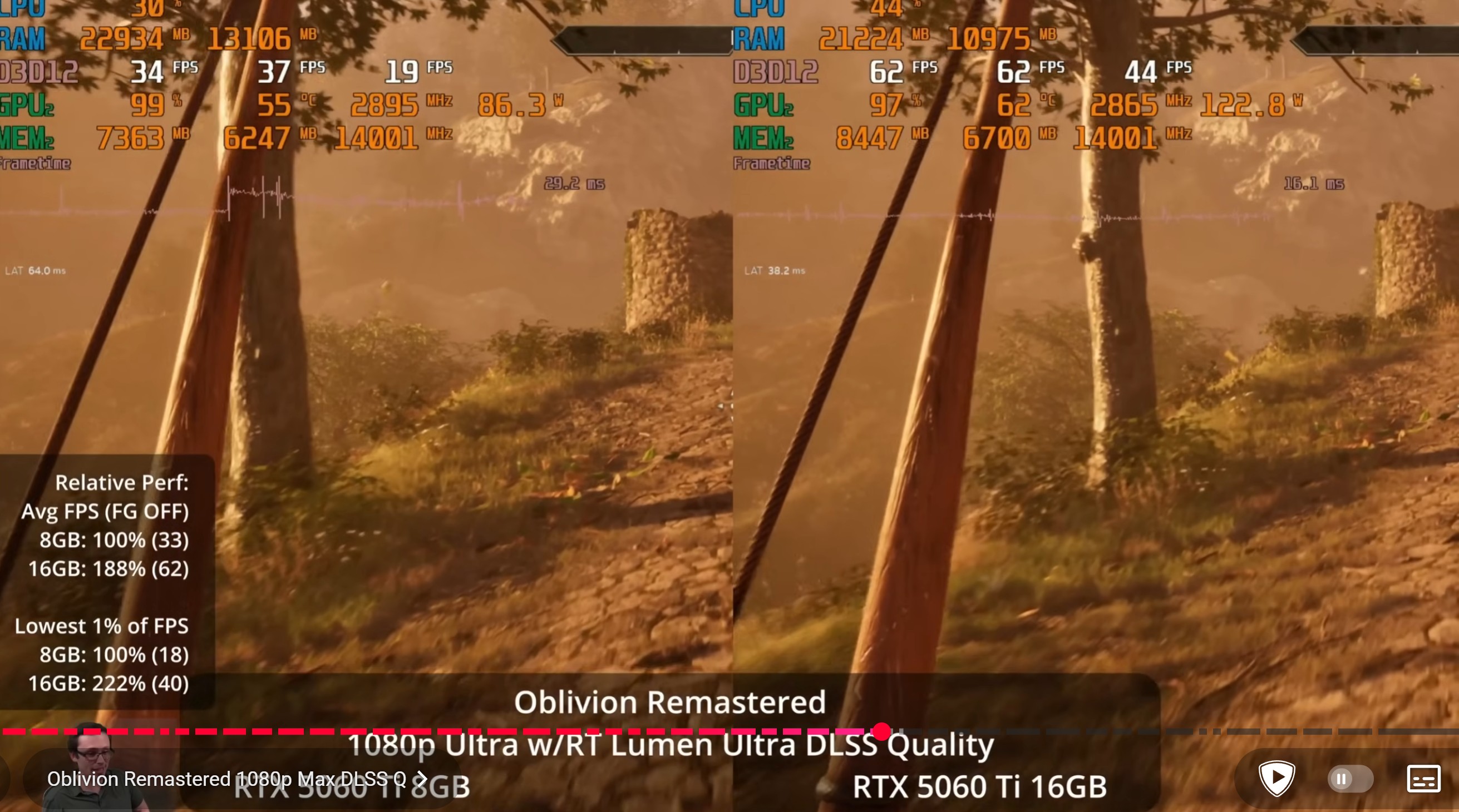
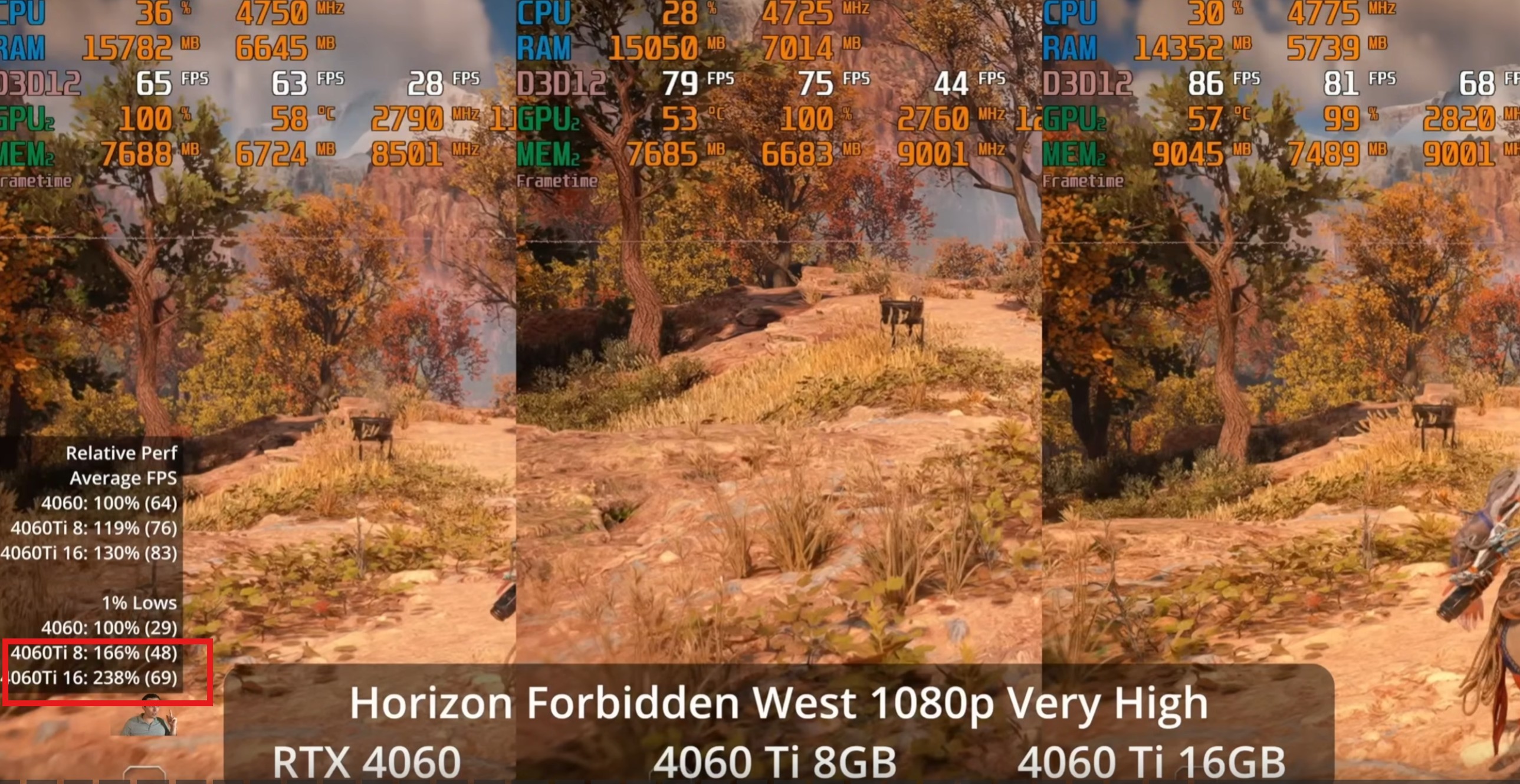
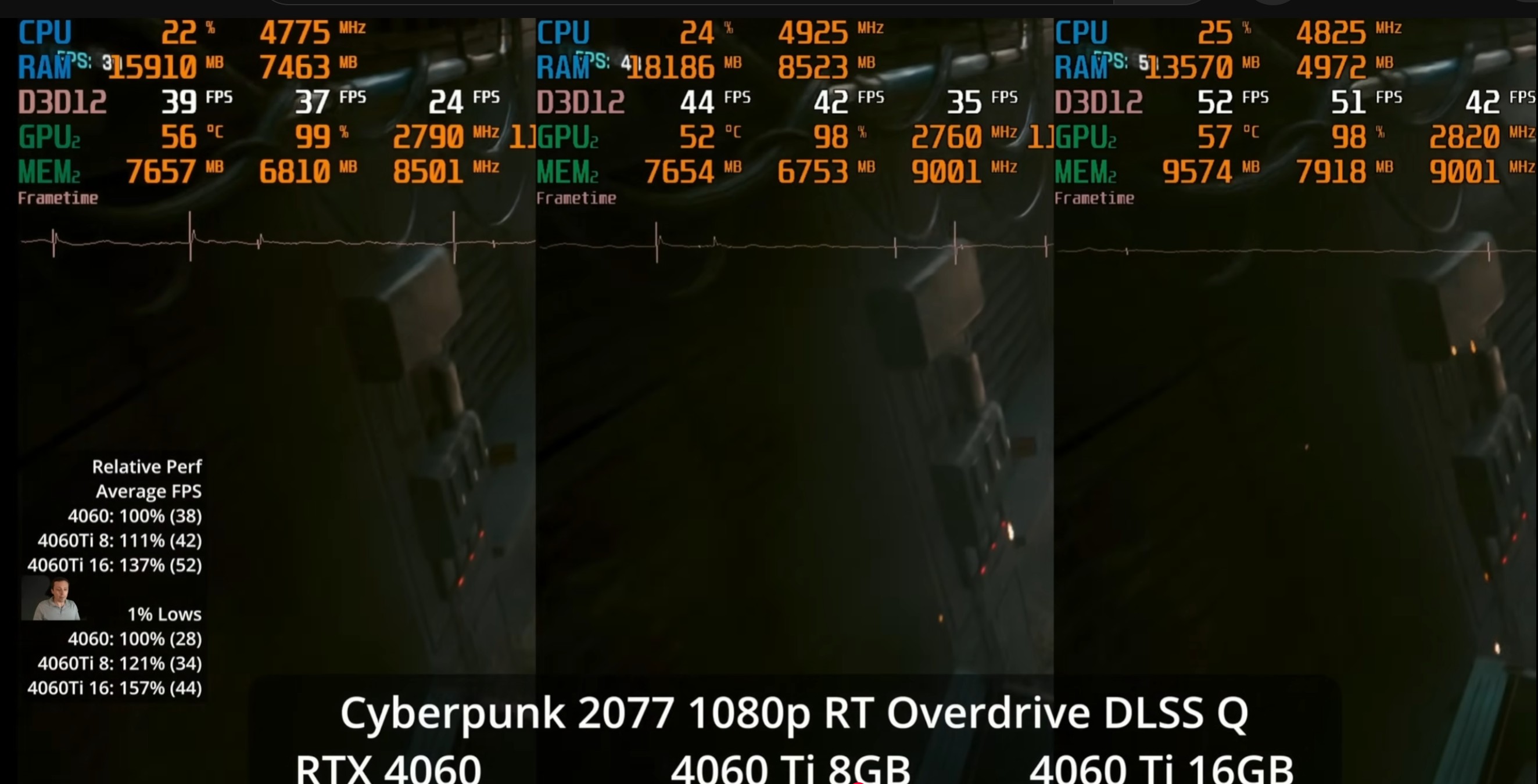
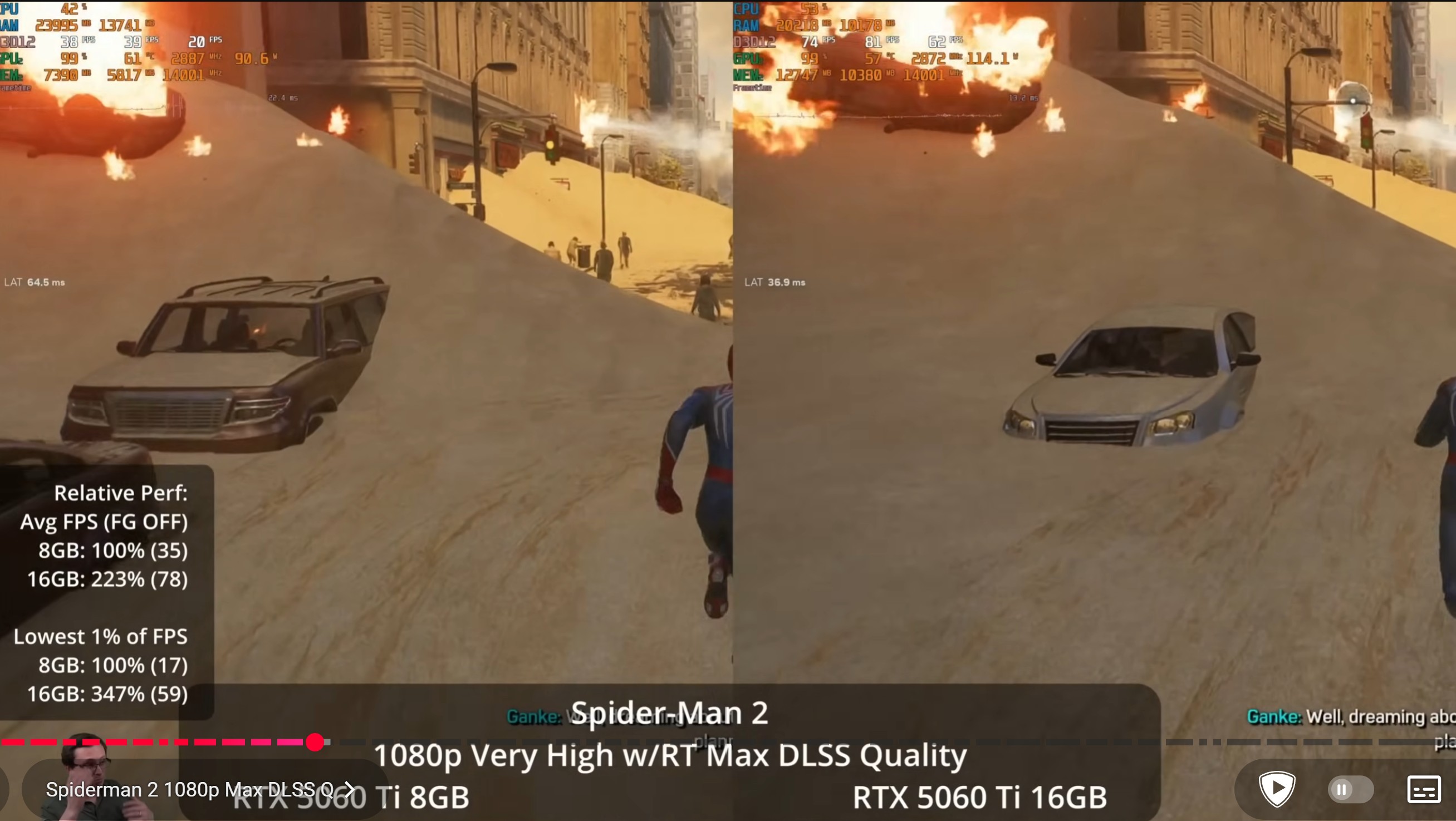
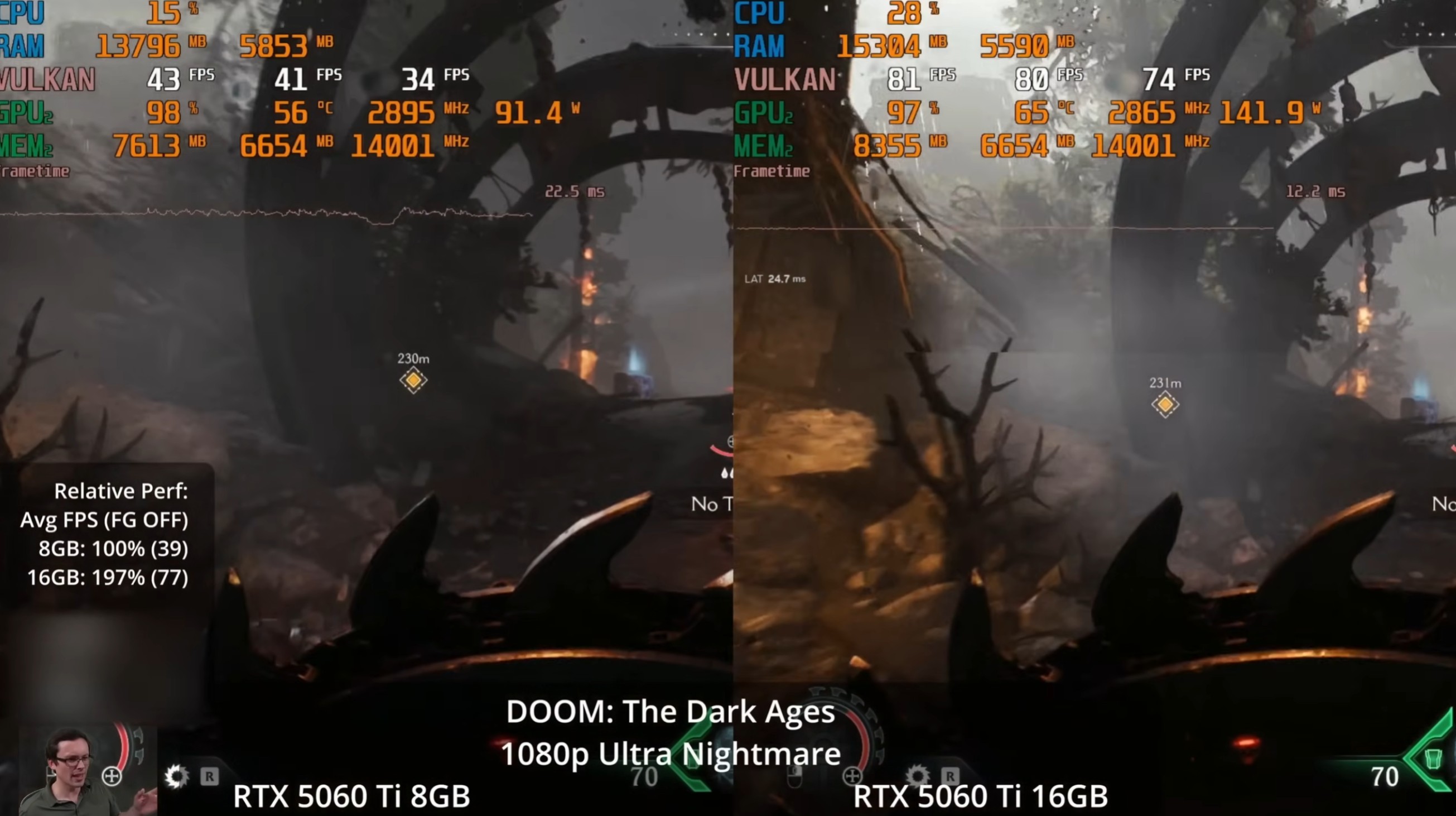
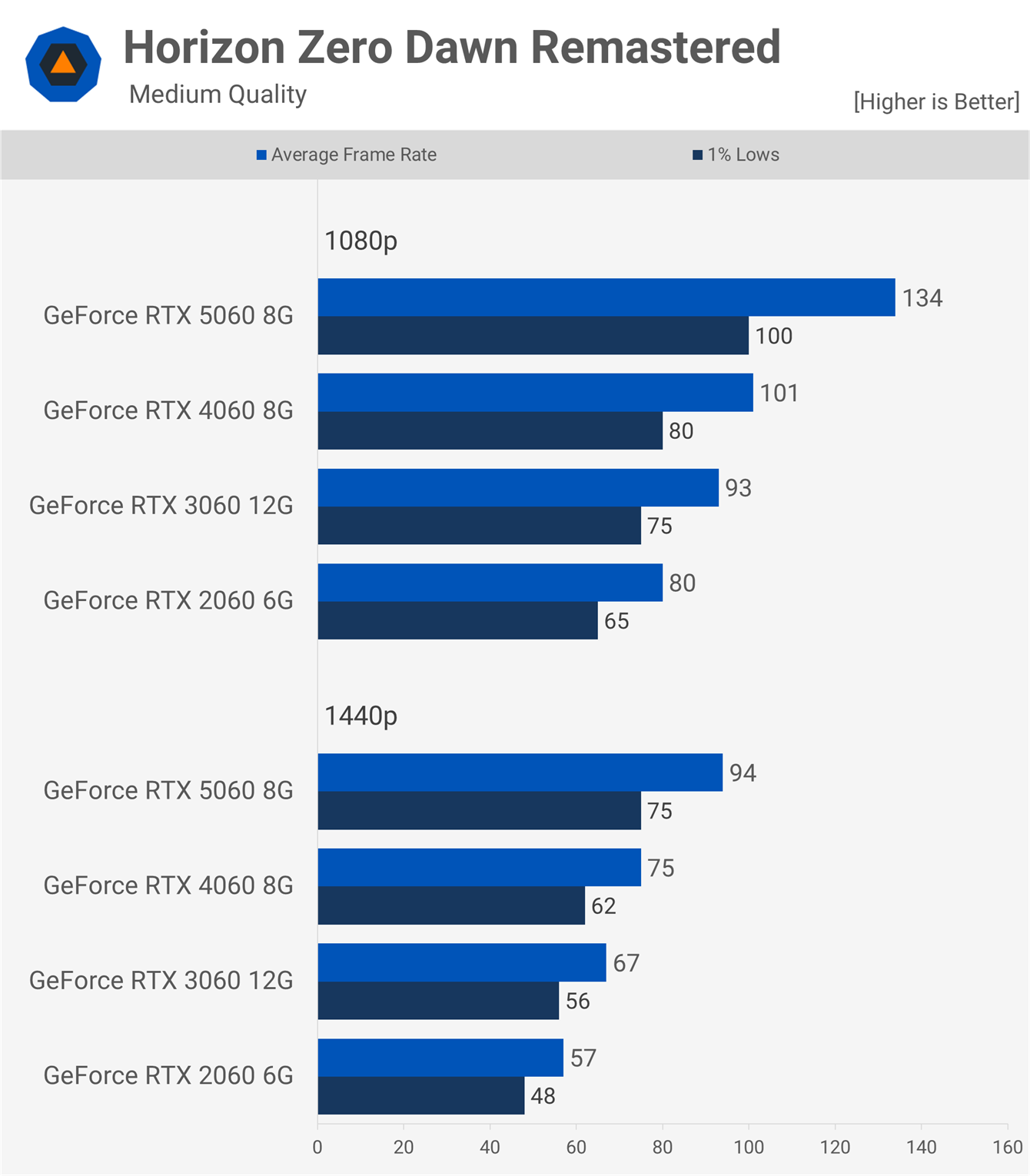
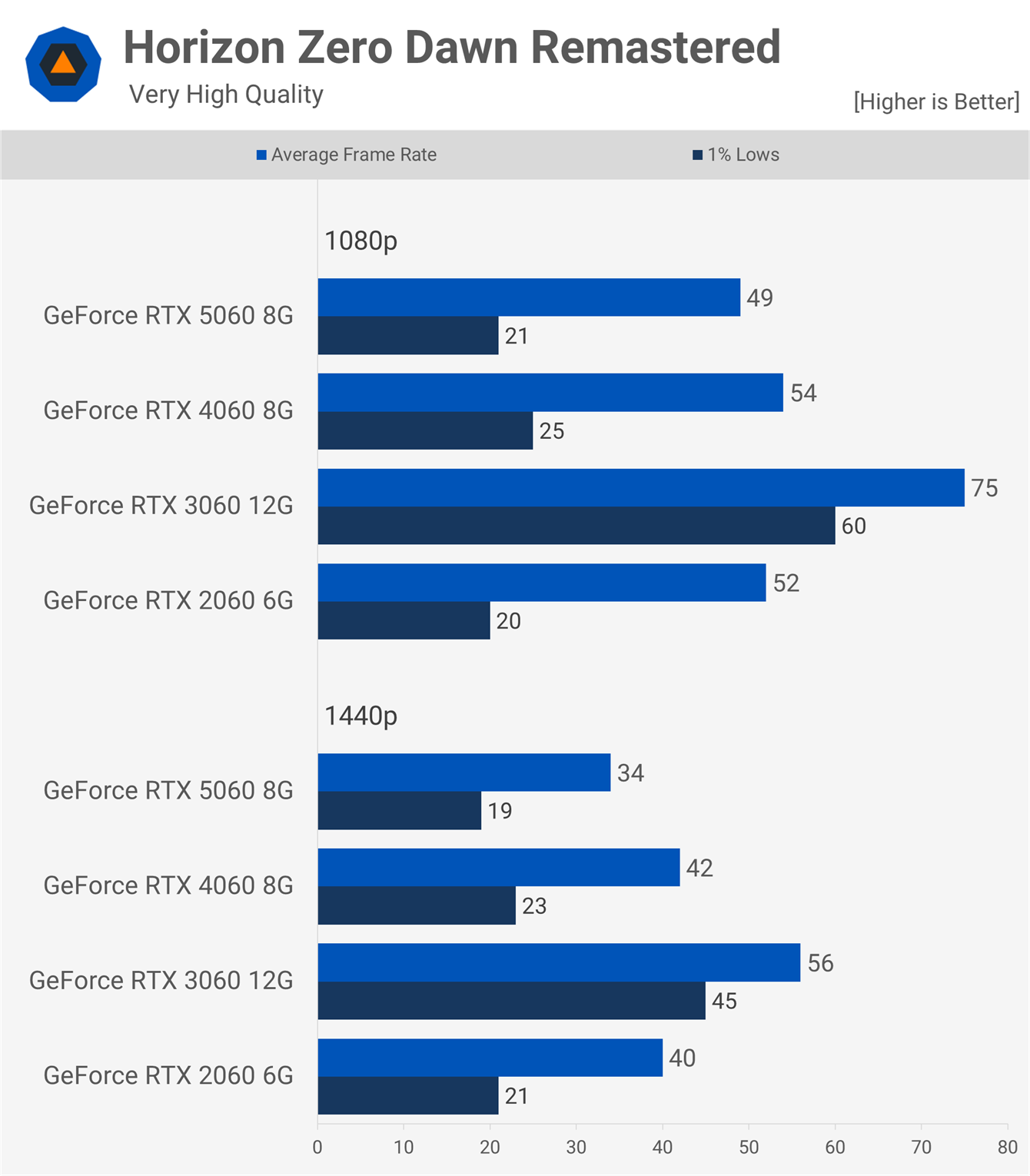
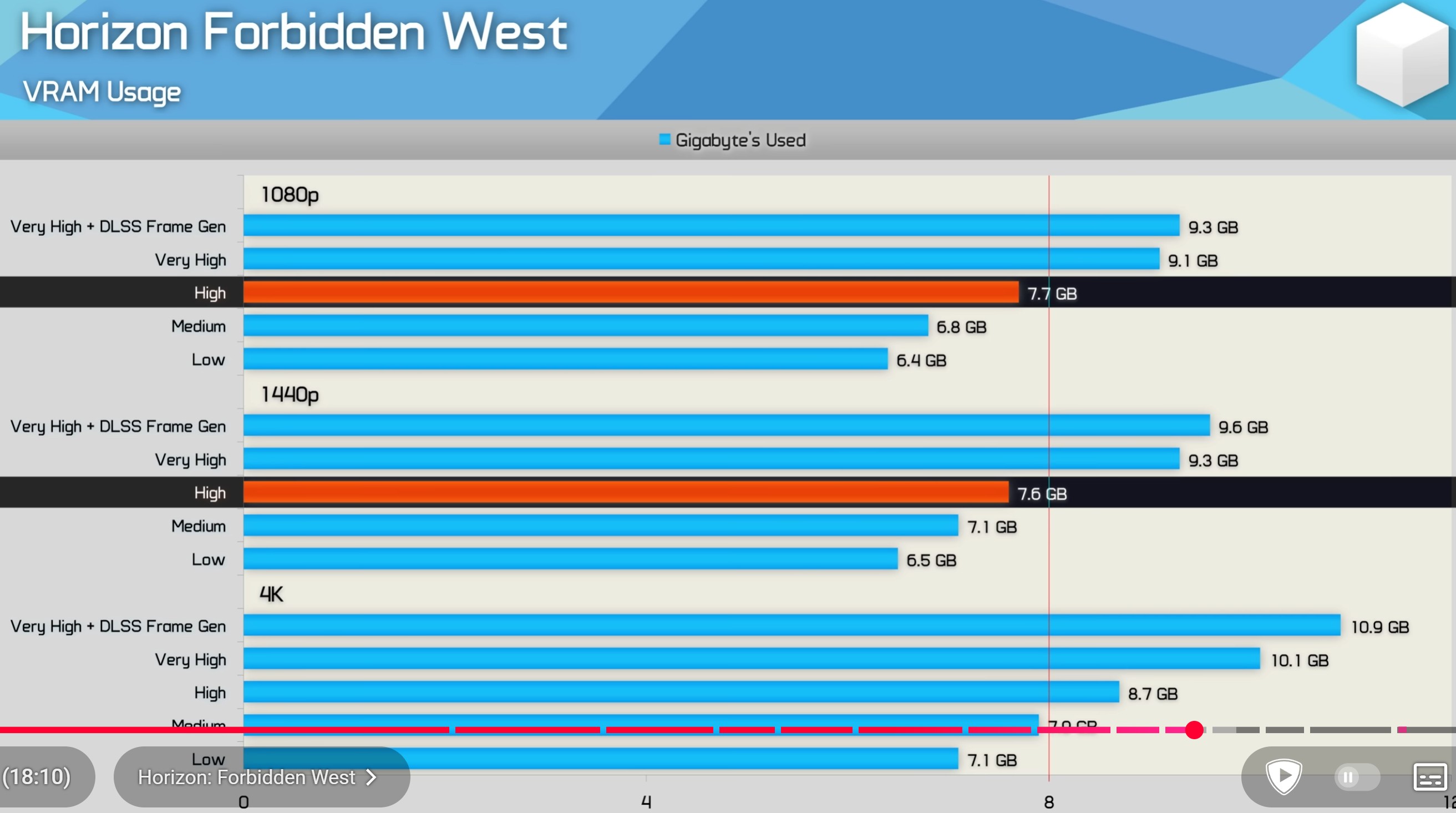
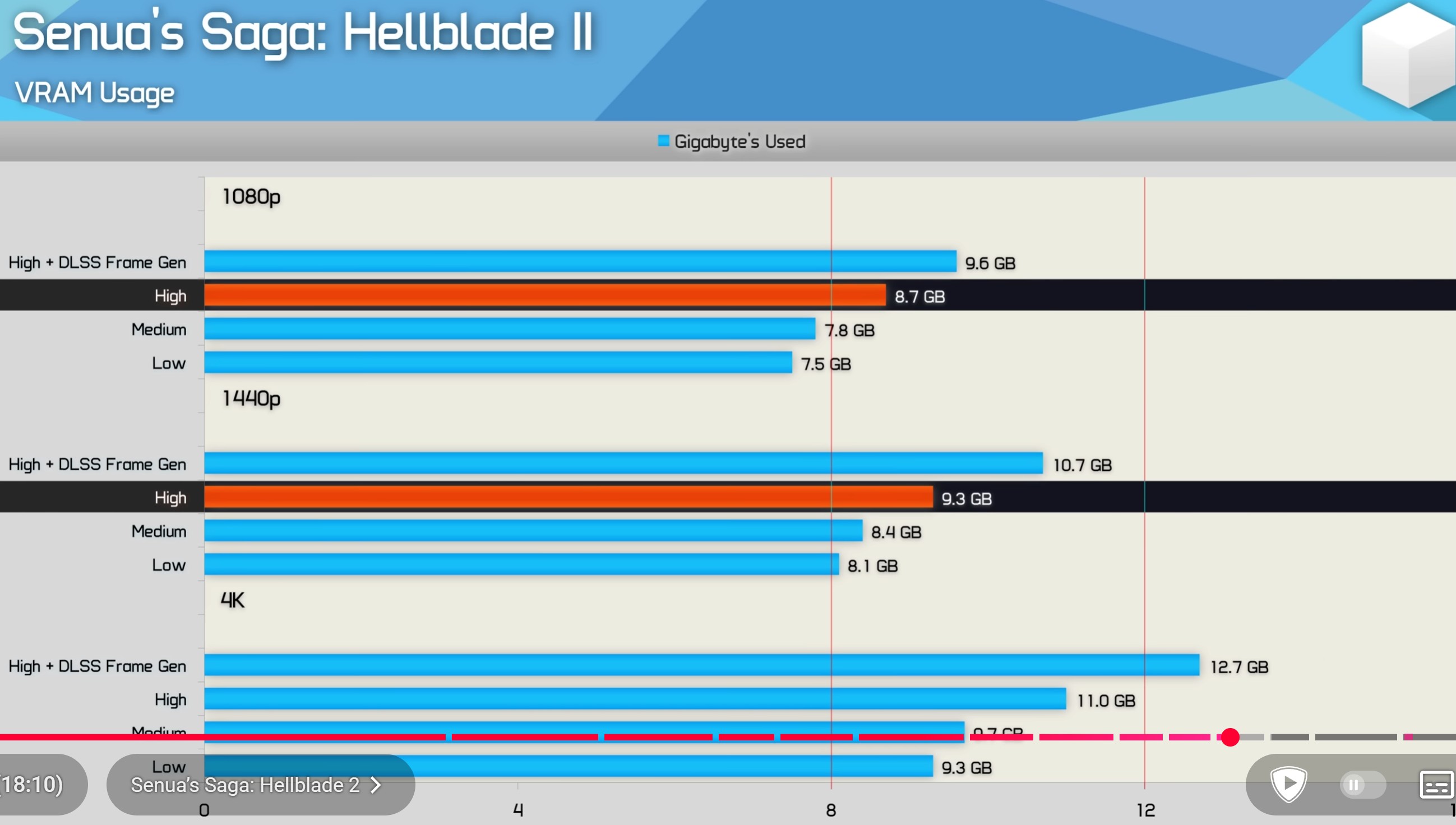
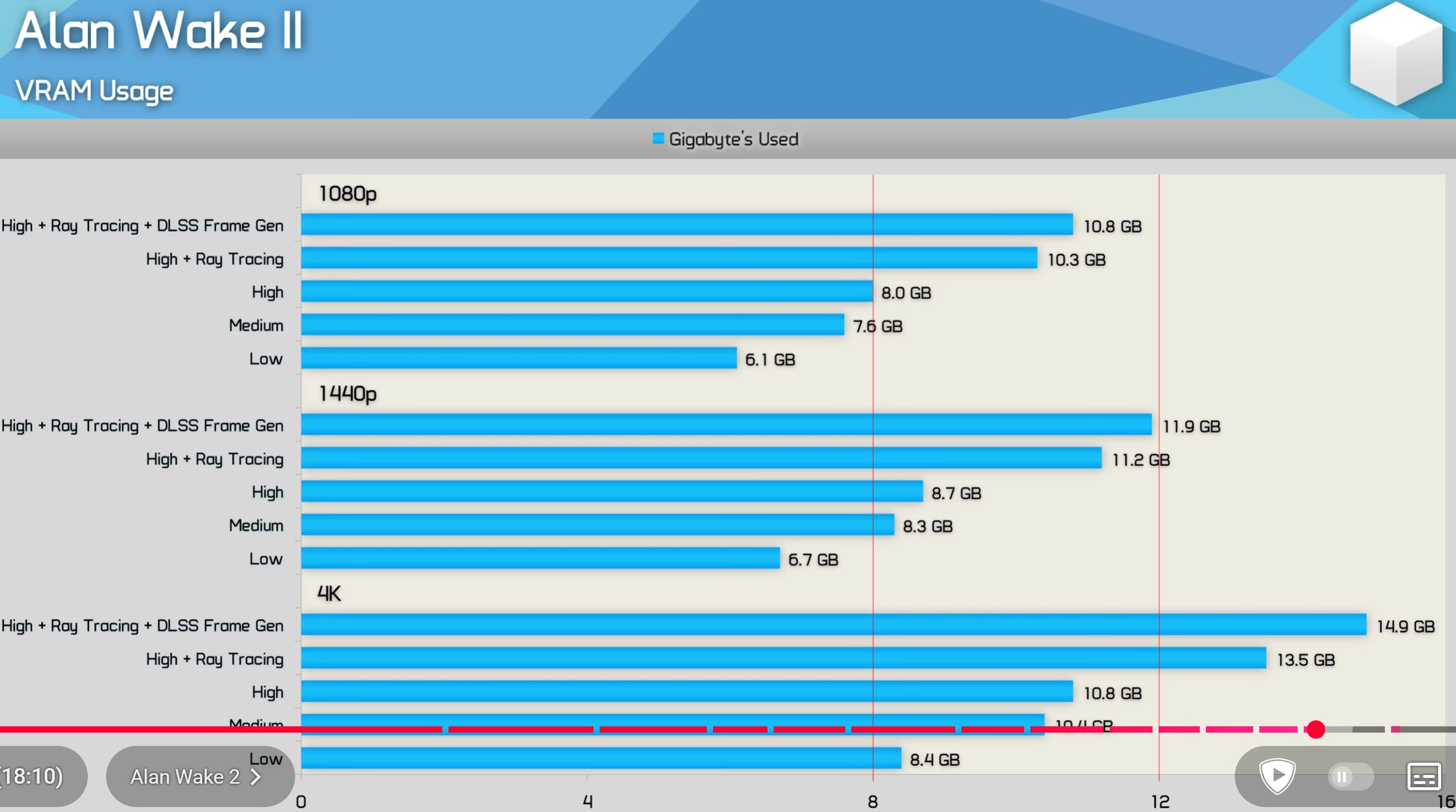
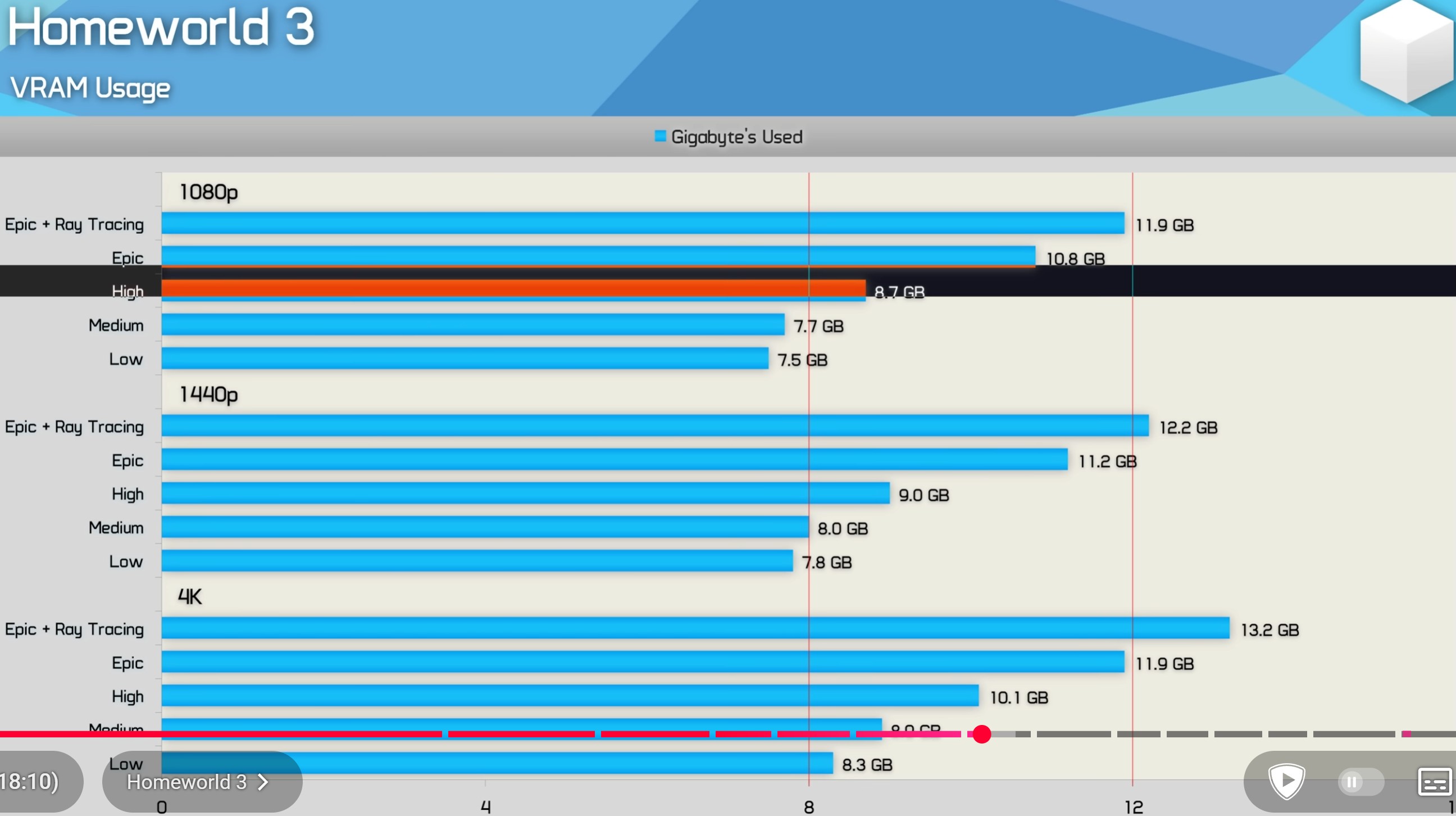
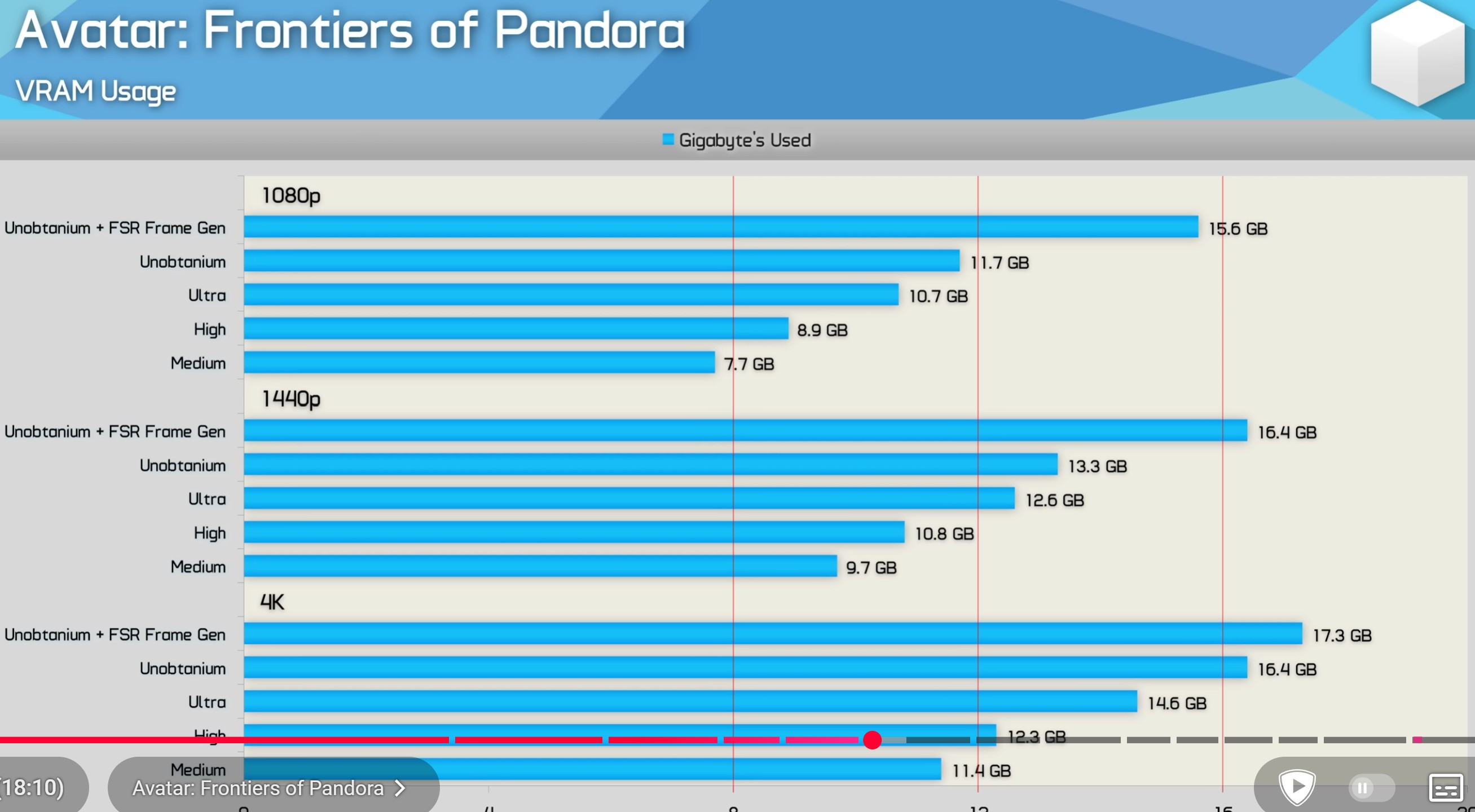
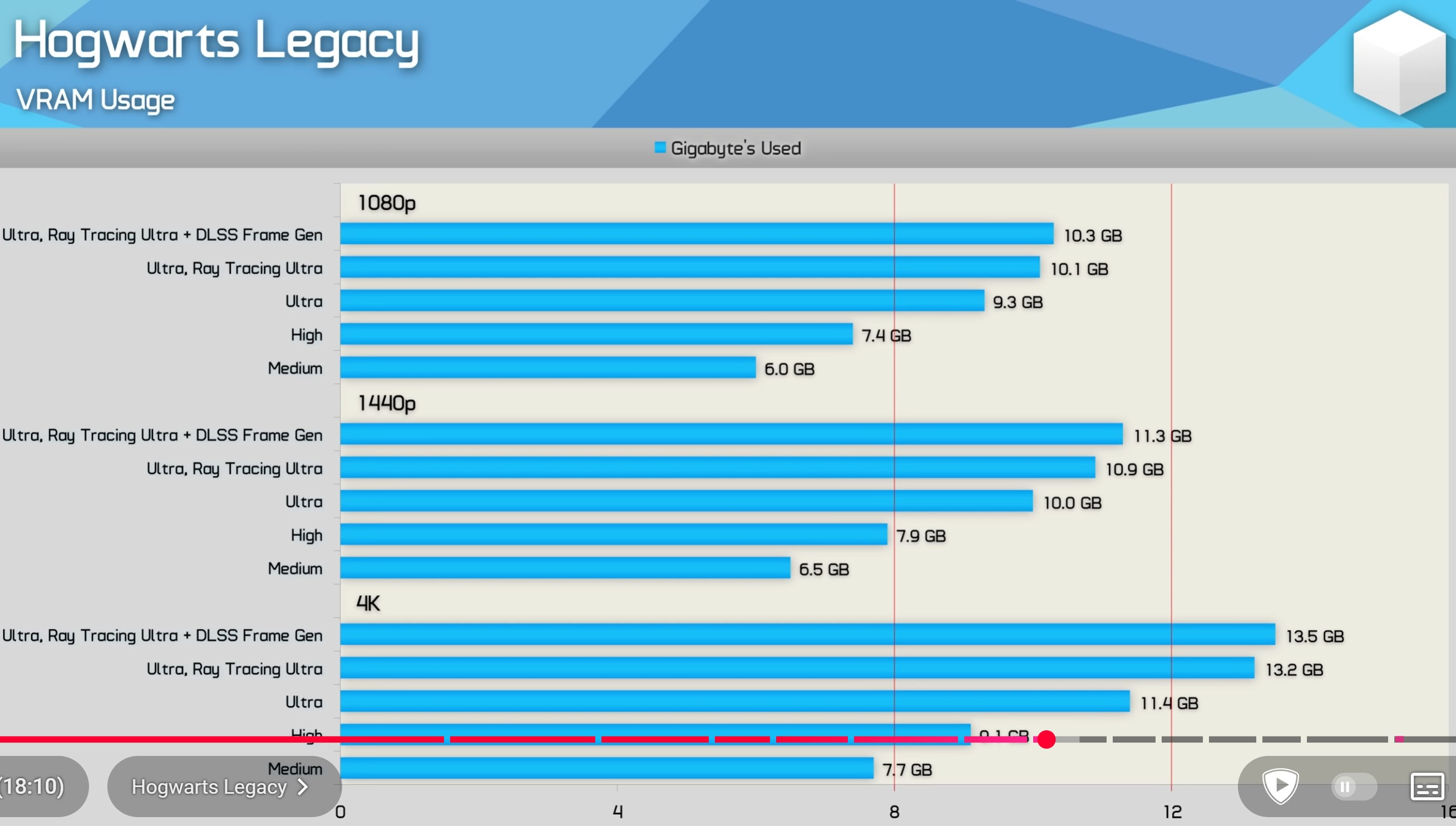
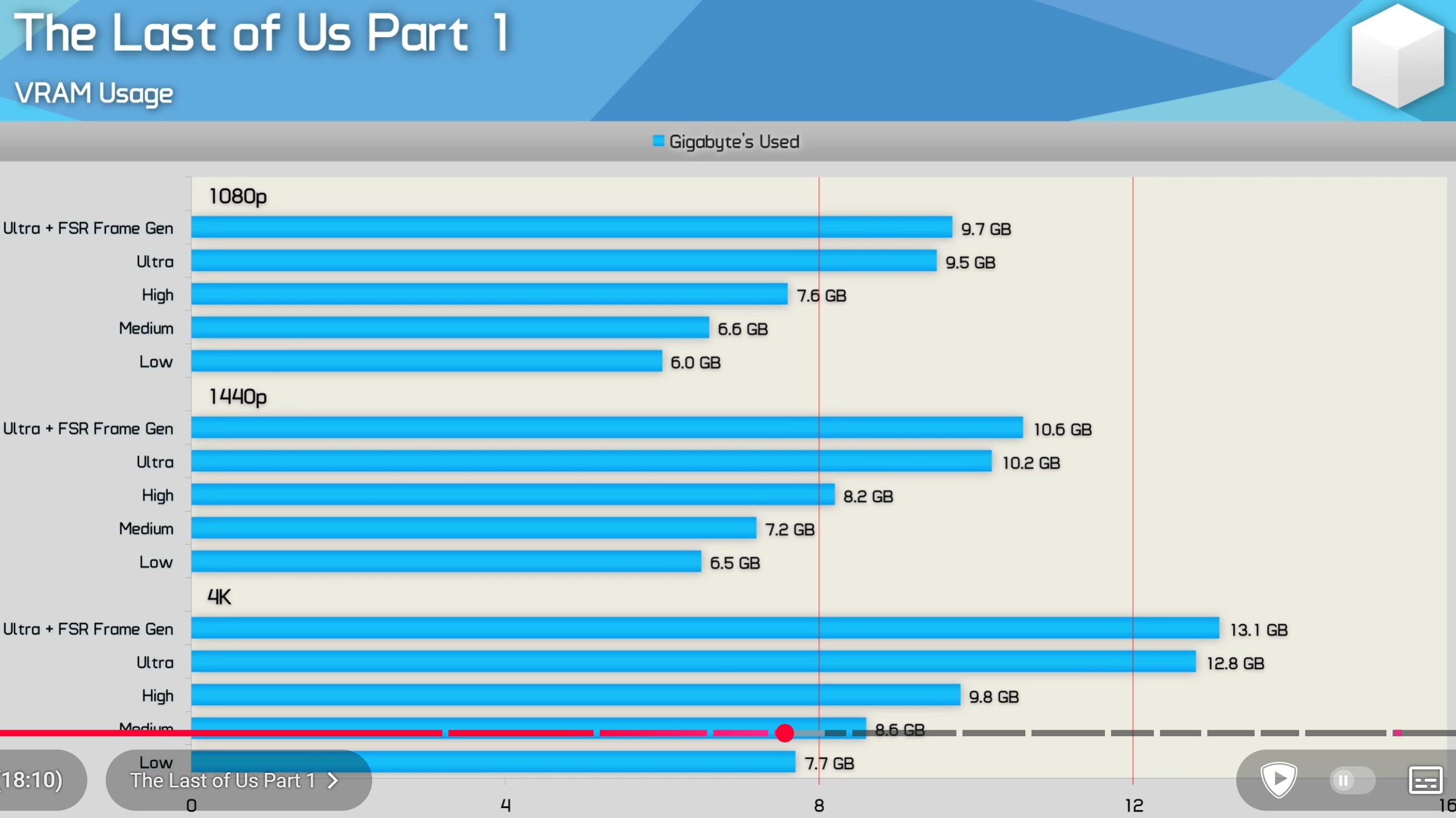
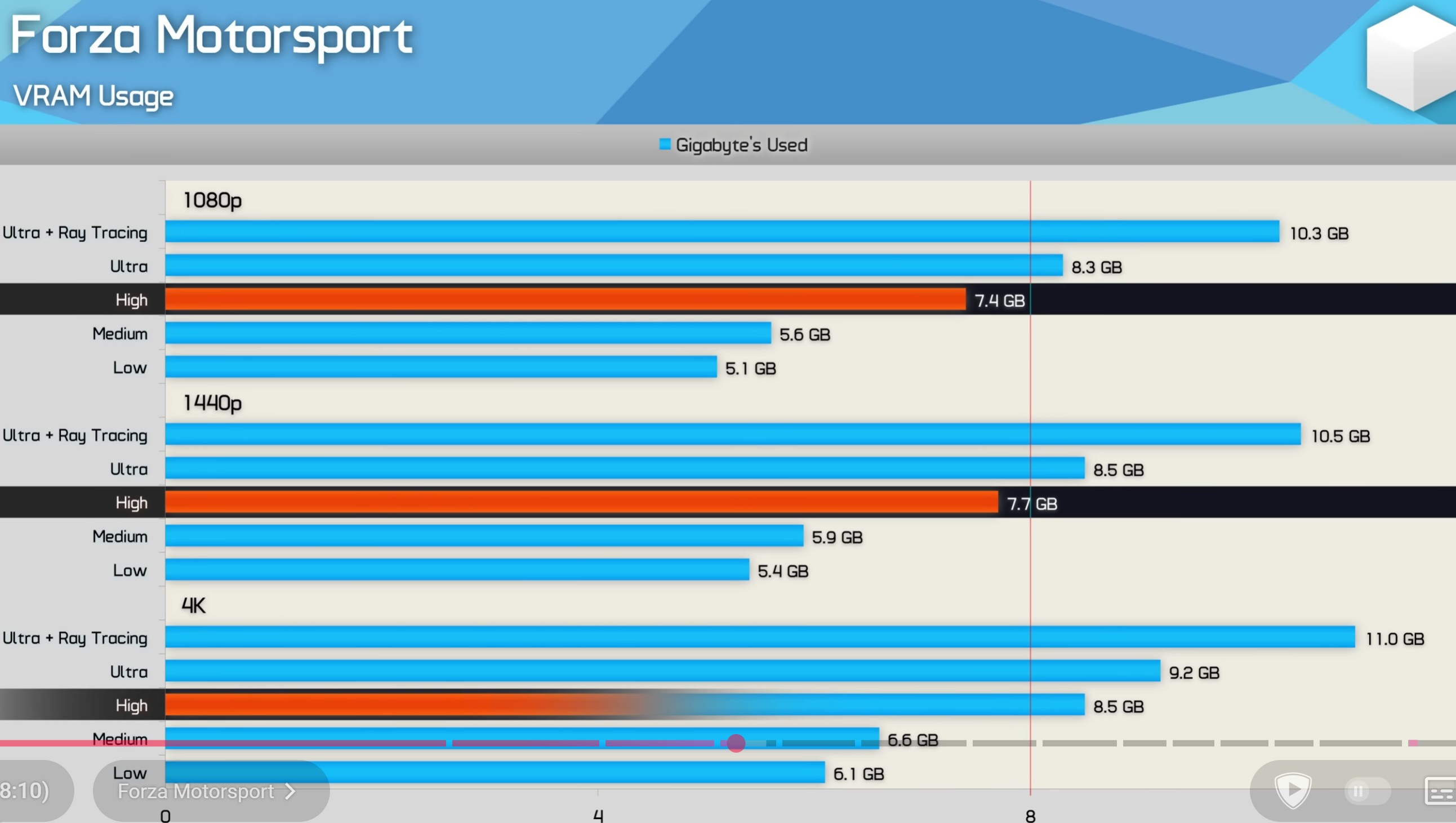
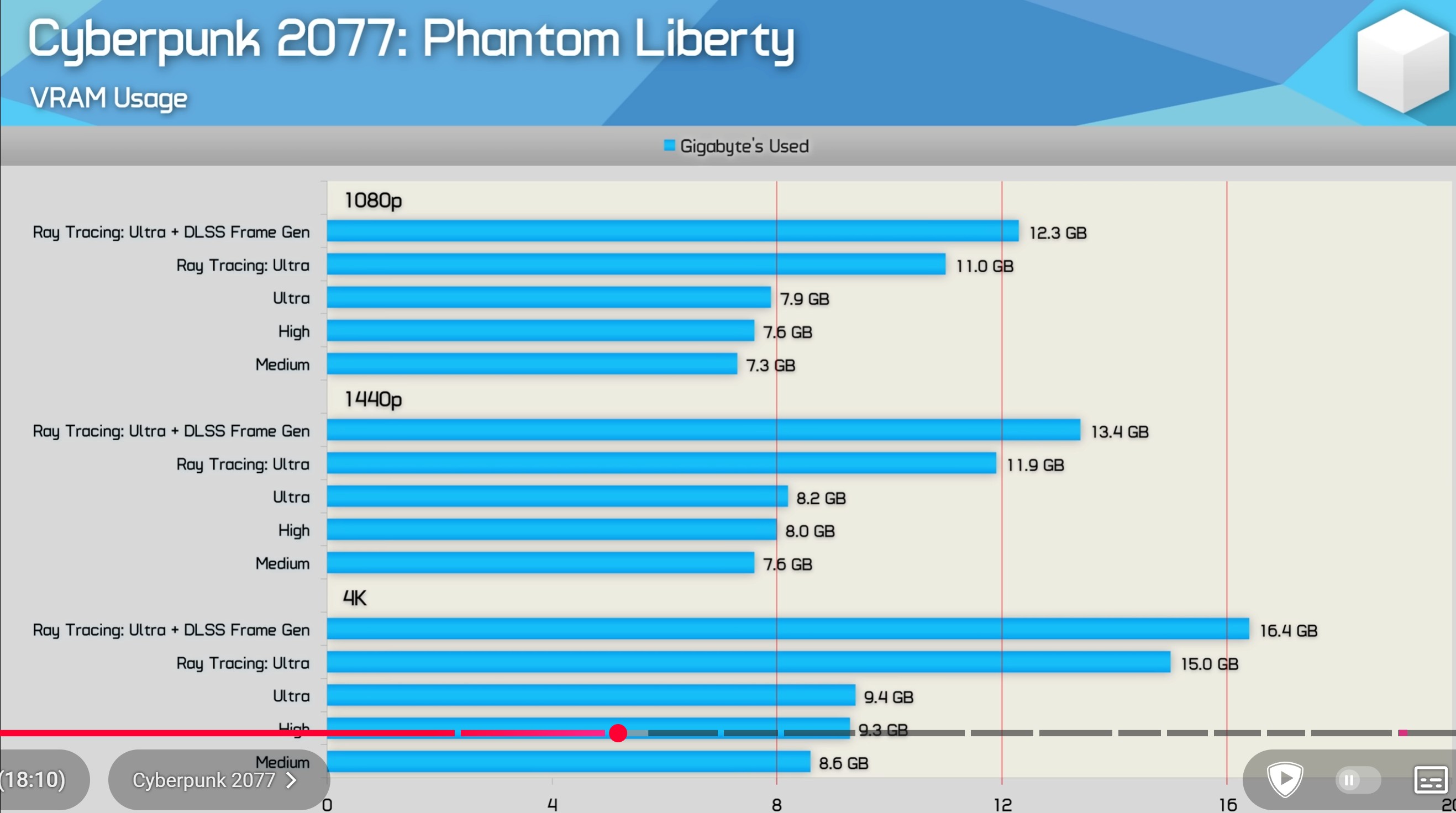
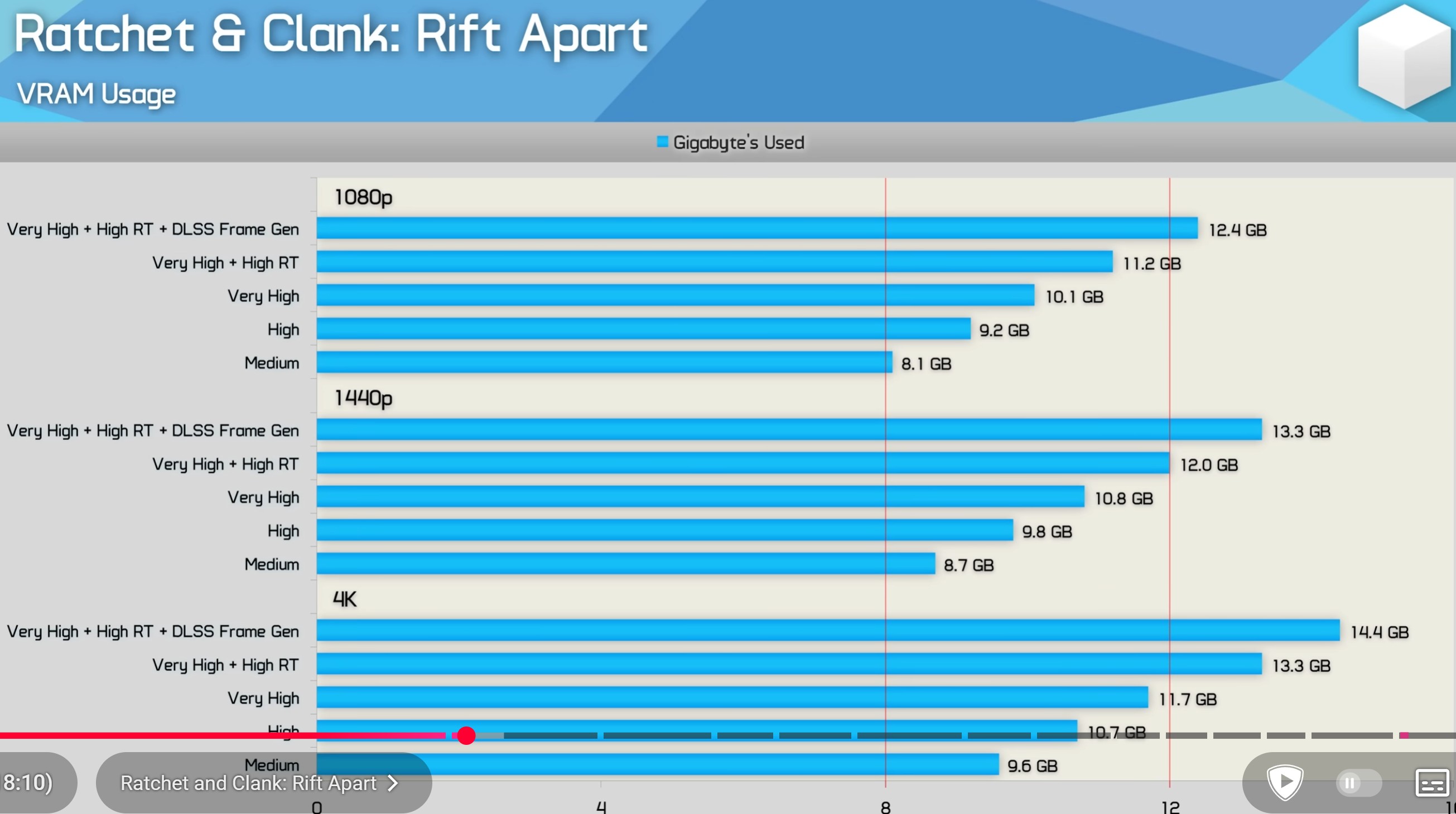
The lower amount of vram a GPU has, the less data it can cache in vram. And that means more accesses to system memory, over the PCIe bus. And with such a thin bus, it will mean slow performance and stutters.
The advantage with the 9060XT is that it has the full 16 lanes. And it has 16Gb of vram.
This means that even at PCIe Gen3, it will have double the bandwidth of the 5060. Still not ideal. But a lot better.
And with more vram, it means it can cache more data in vram and have to access system memory less often.
Adding more ram, could help. But the limitation will always be the PCIe bus.
RDNA4 made significant strides in RT performance. And is one hair away from a 5060Ti in RT performance. You can check that in this article.
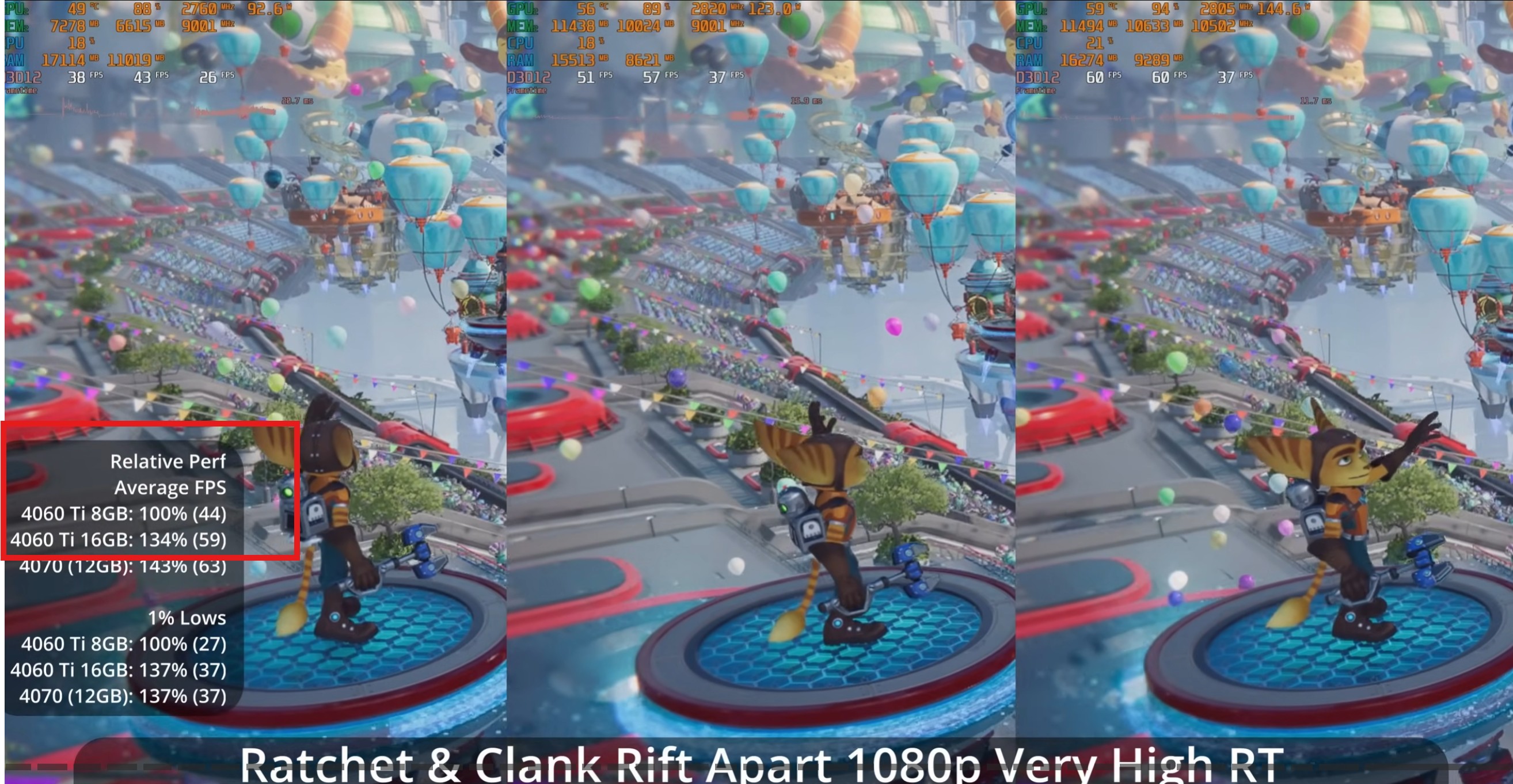
Also consider that RT uses up more vram. And that means more data that will go through the PCIe bus. So the 5060 will suffer more performance losses than the 9060XT.
If you are picking a GPU for the next 2-3 years, without major changes for the rest of your PC, the 9060XT will be your best choice.
One caveat is DLSS4 vs FSR4. In terms of quality they are very similar, though DLSS4 still has a small advantage.
The big advantage with DLSS4 is that it has much greater support. At least officially.
But this narrows to almost nothing, if you use a tool such as Optiscaler. This tool is easy to use an allows injecting FSR/DLSS/XeSS into any game that has support for any other of these techs.
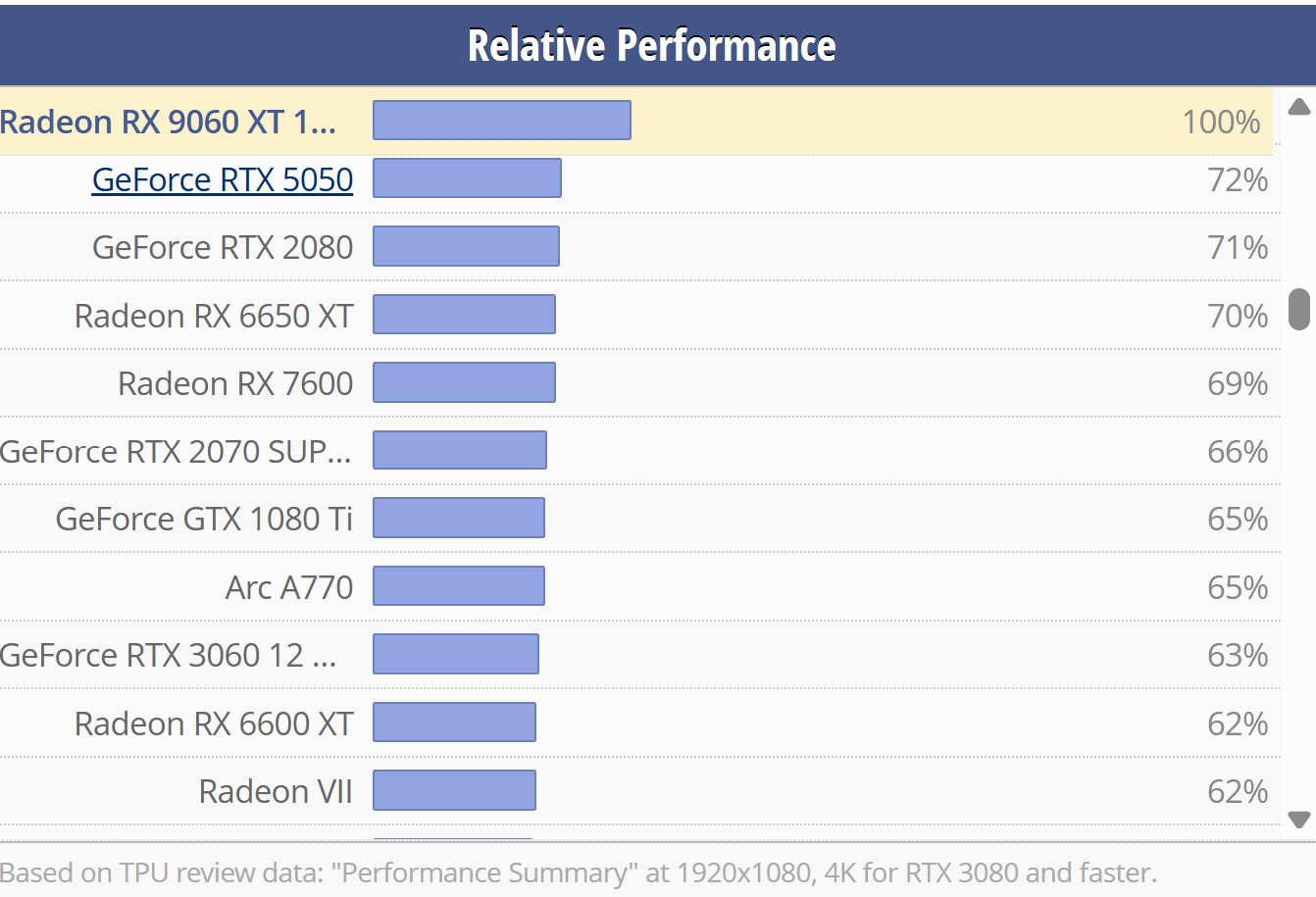
The Sapphire Radeon RX 9060 XT Nitro+ OC stands out with a large factory overclock, making it the fastest card tested today. Its cooling solution is equally remarkable, achieving virtually inaudible noise levels even under full gaming load, and temperatures are still excellent.

www.techpowerup.com