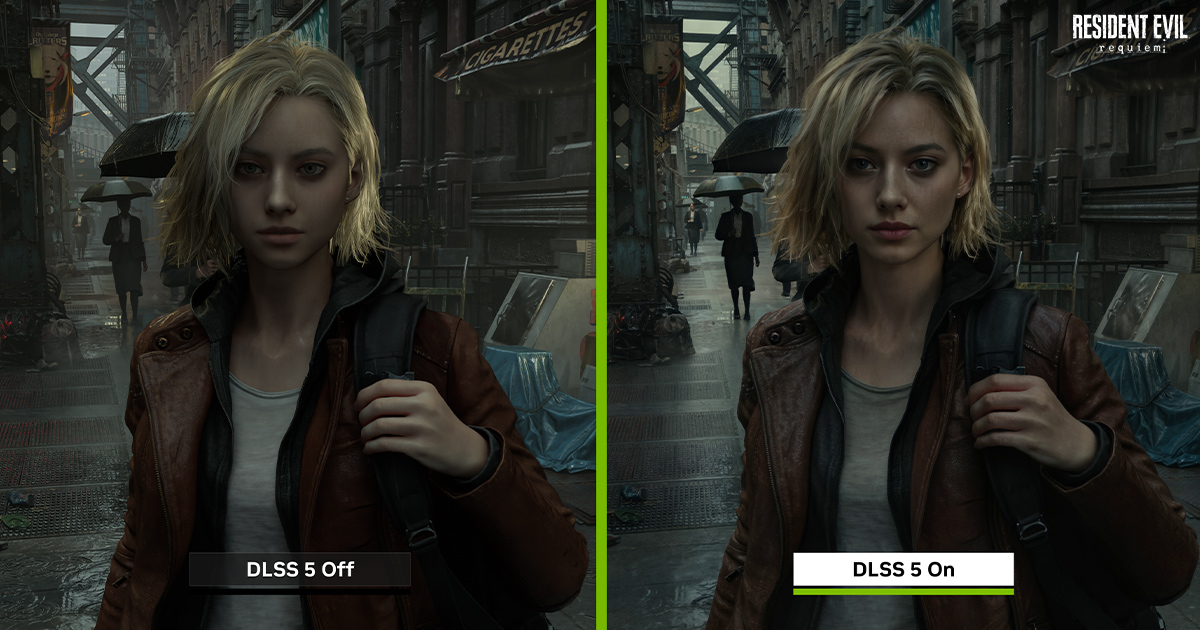
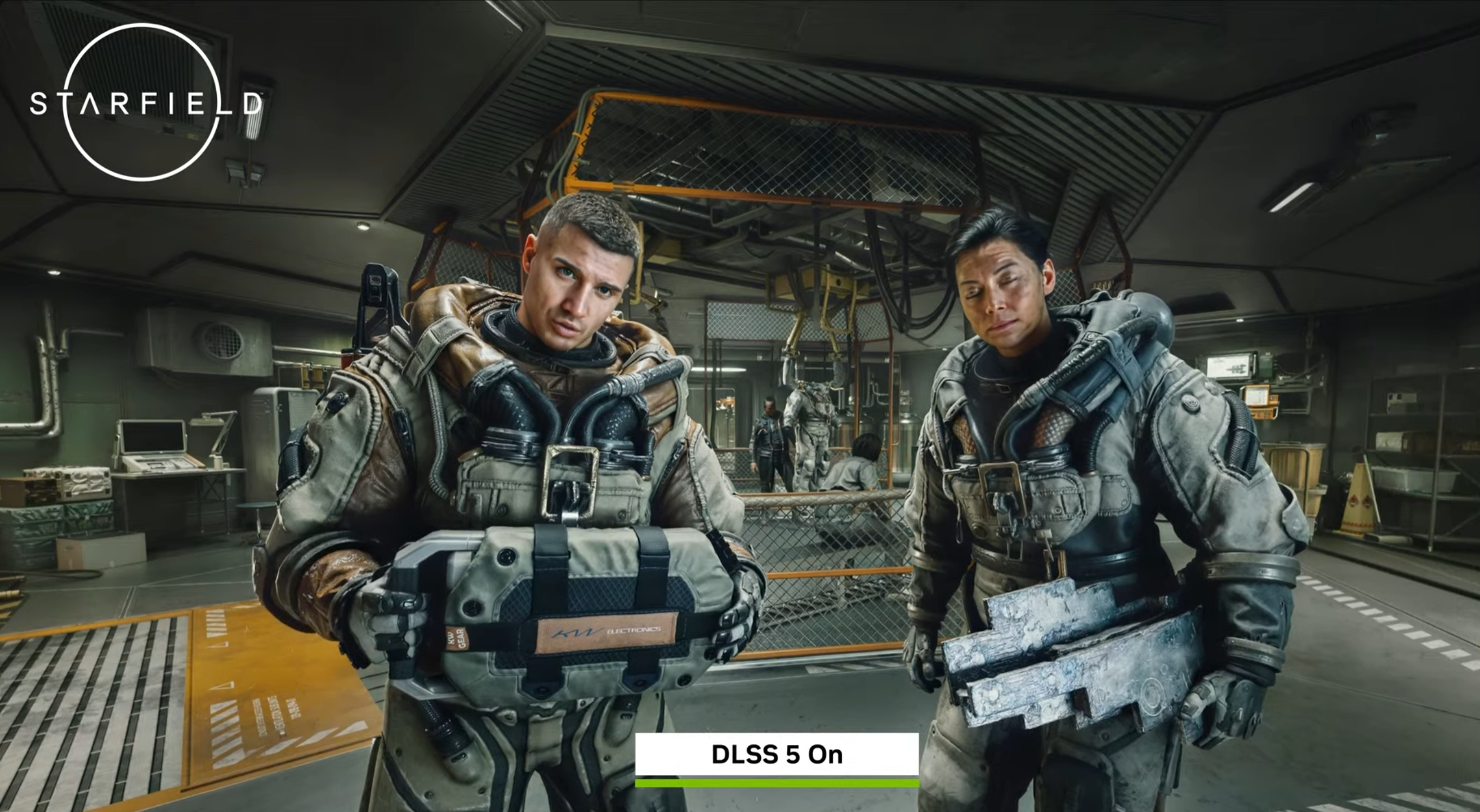
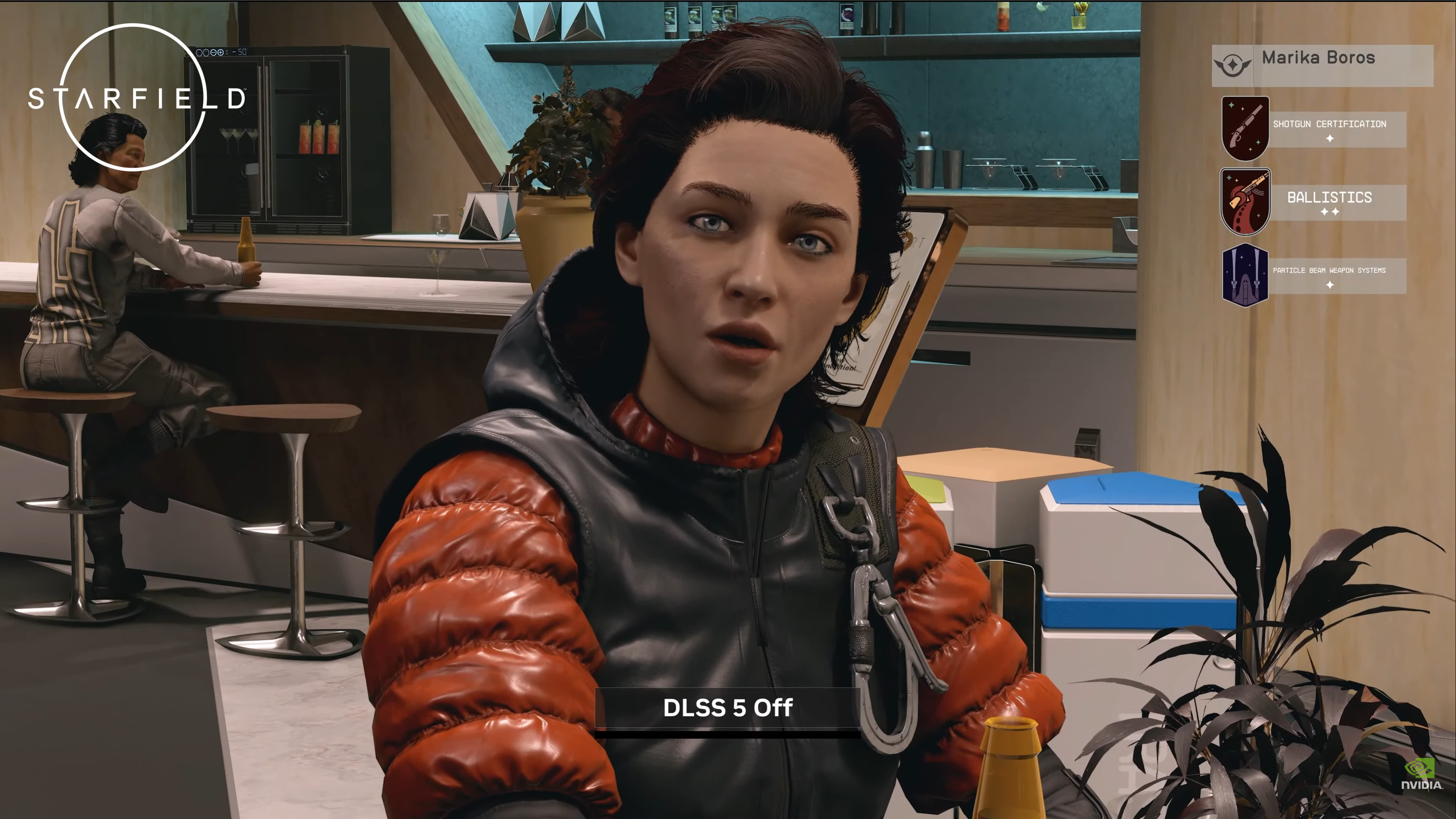
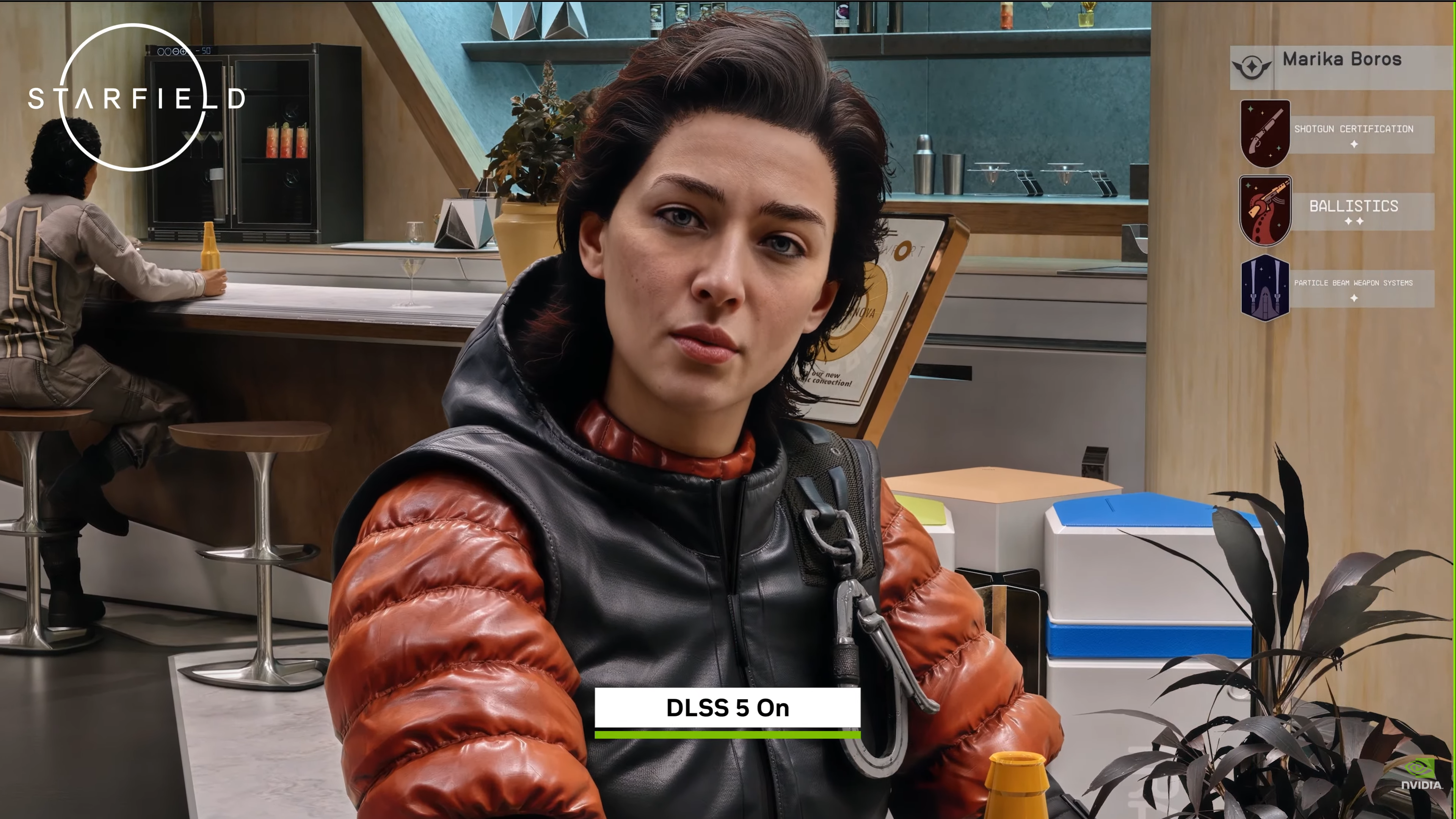
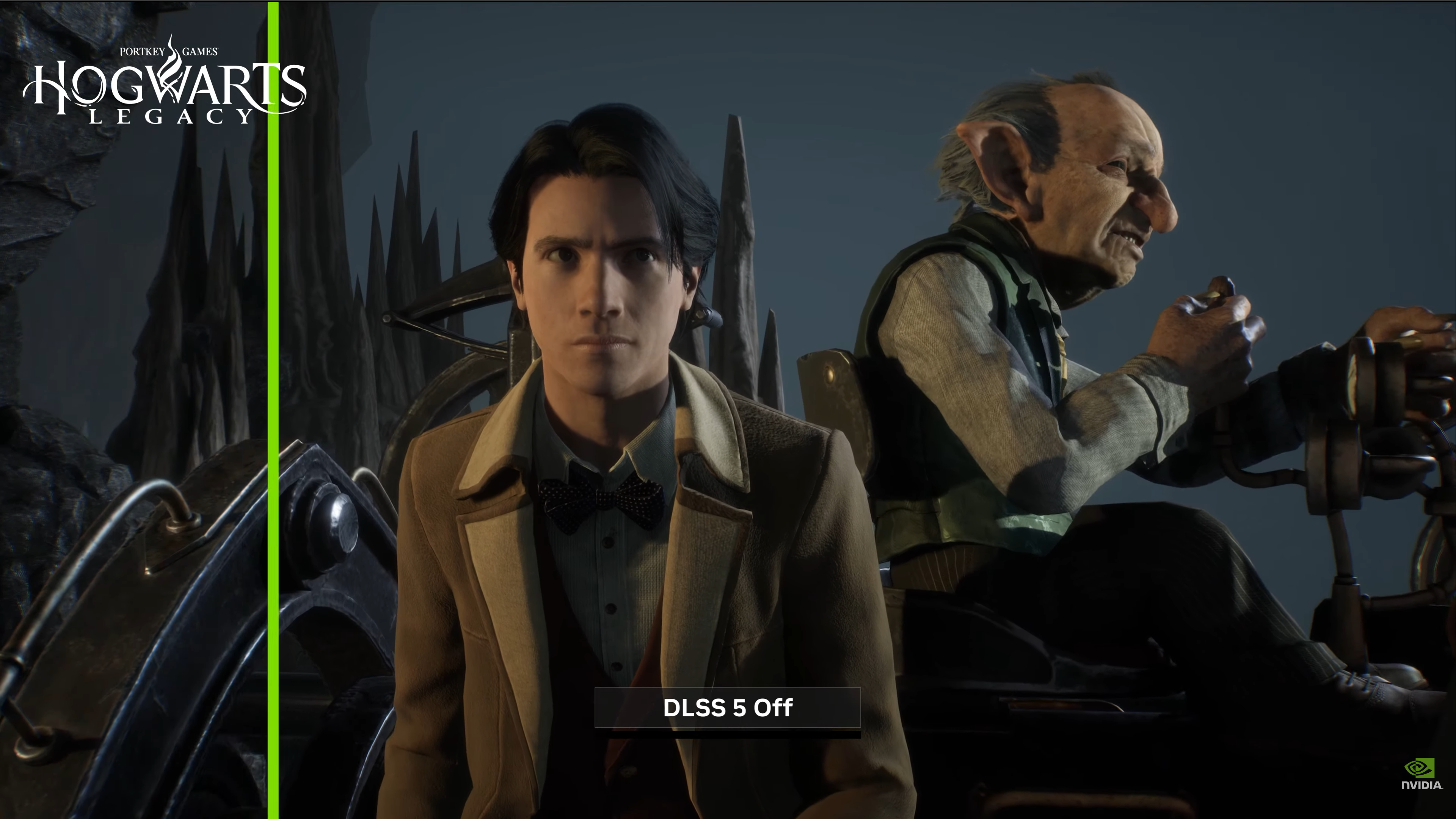
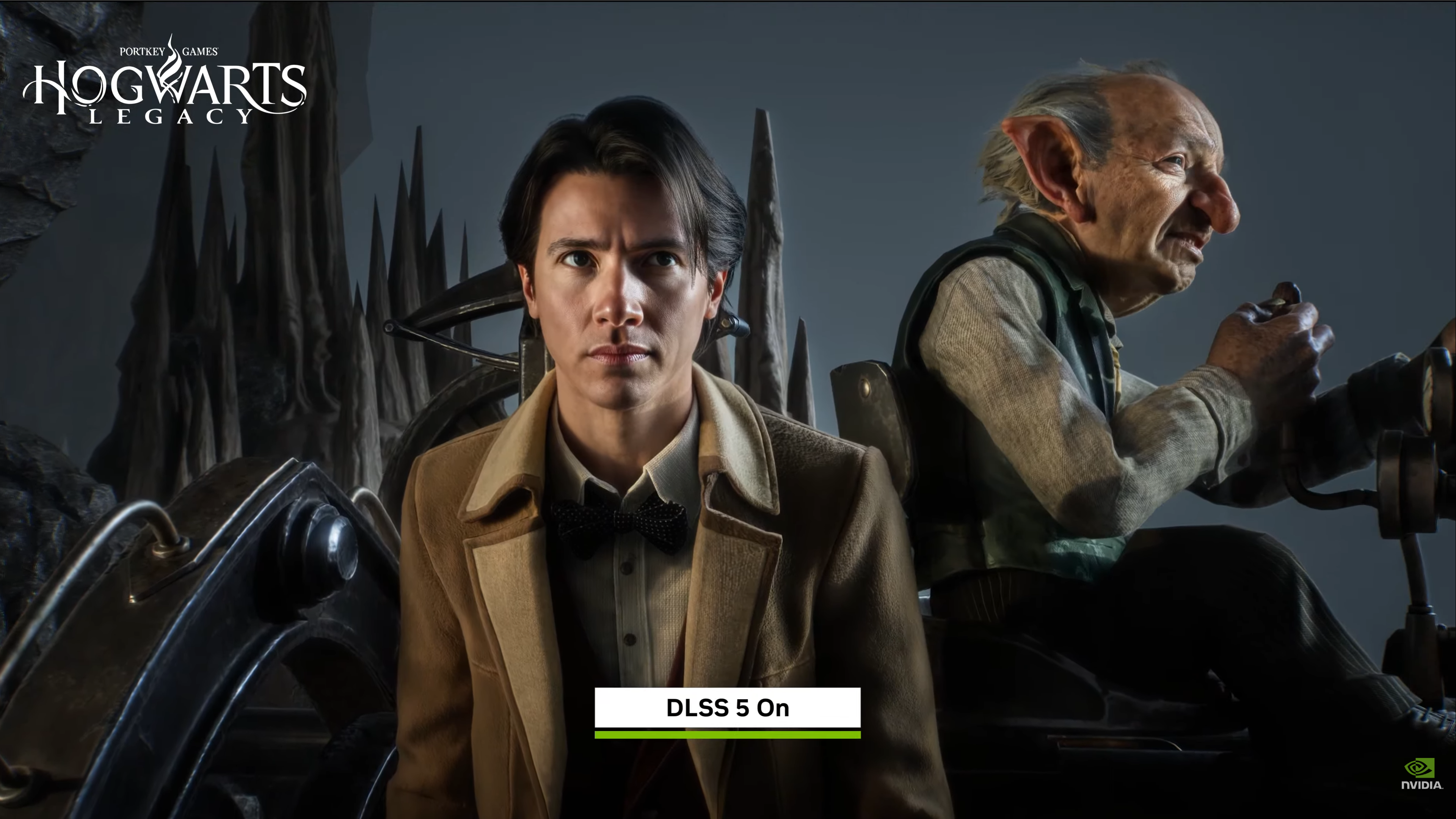
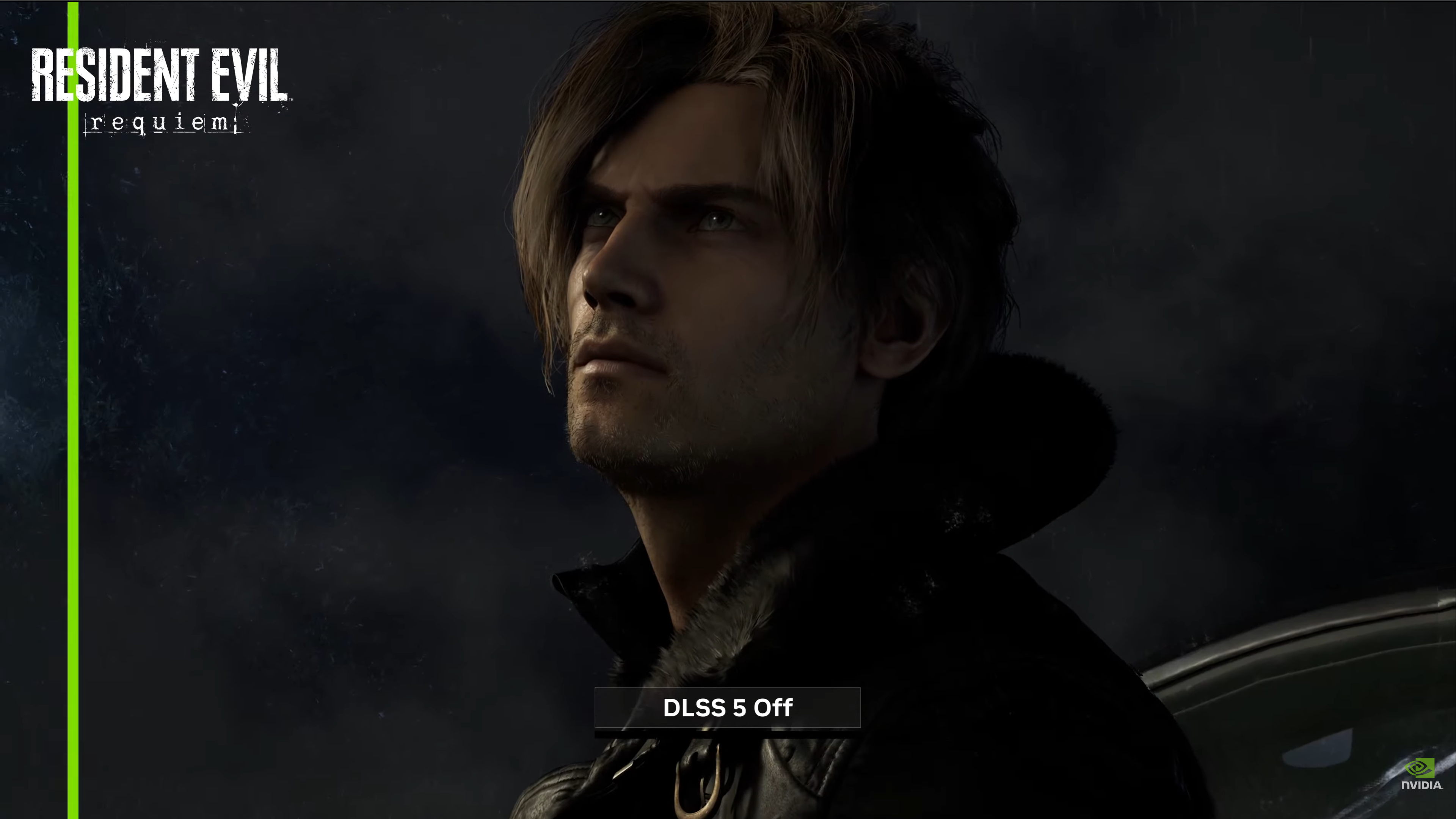
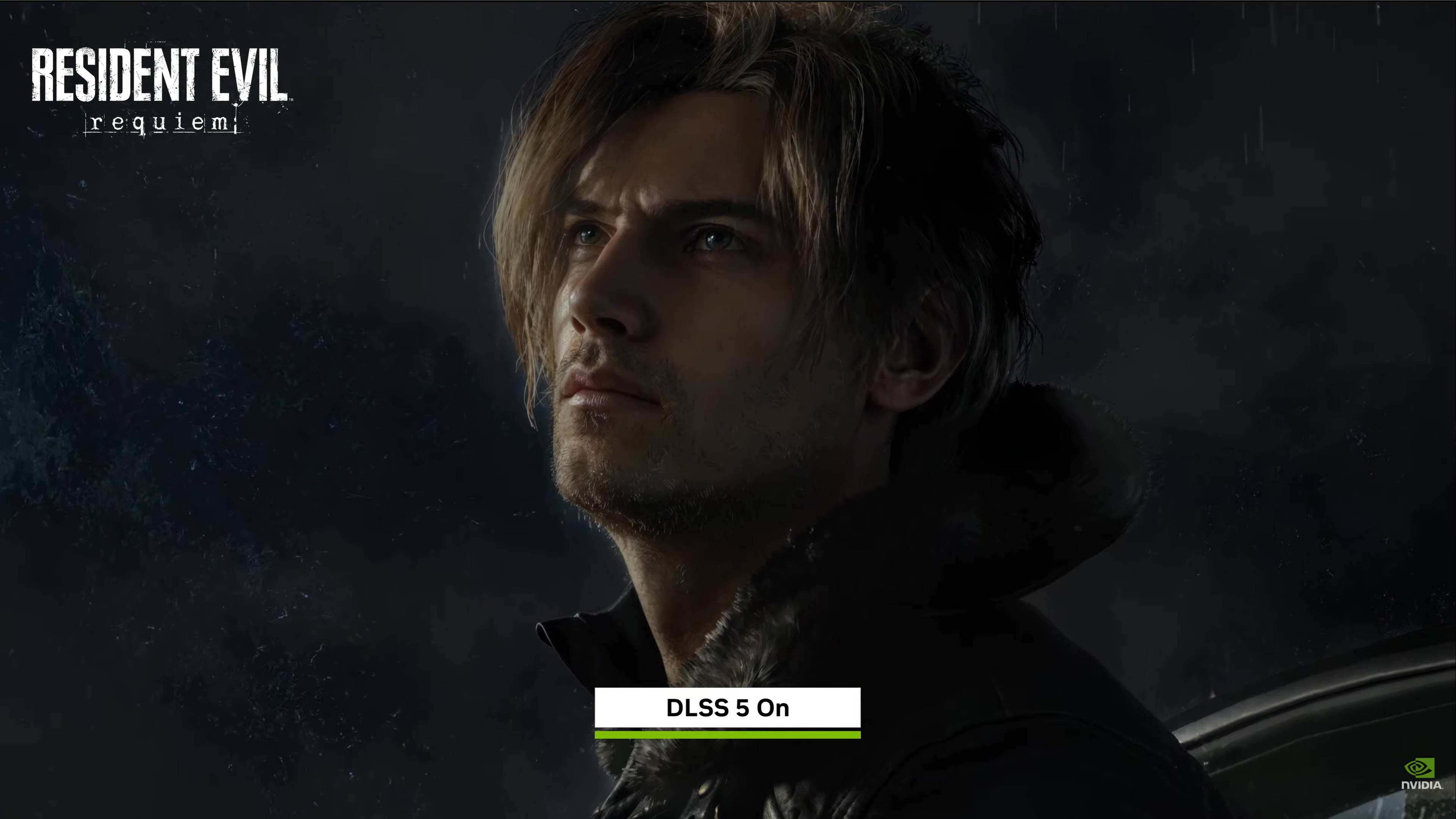
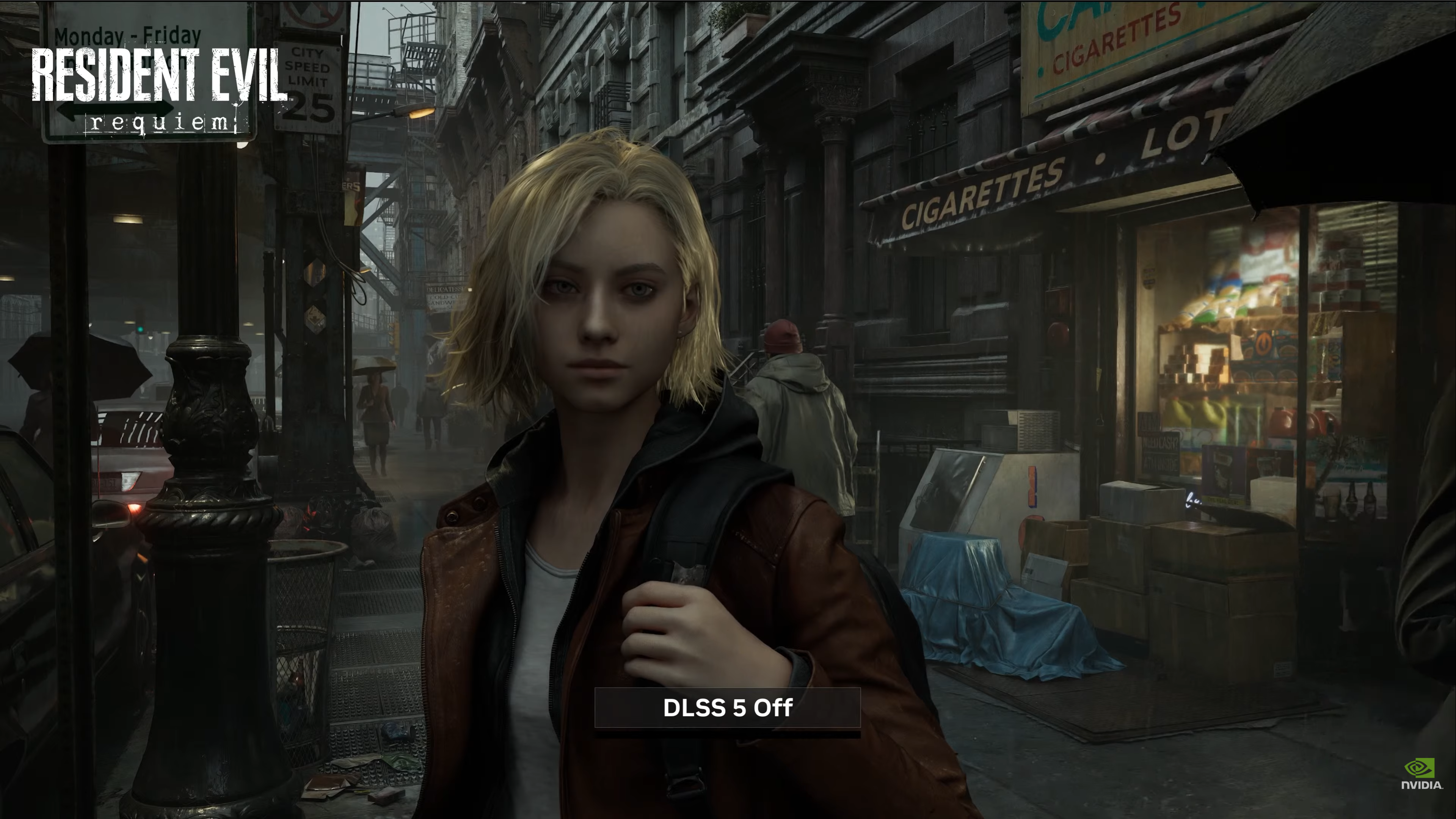
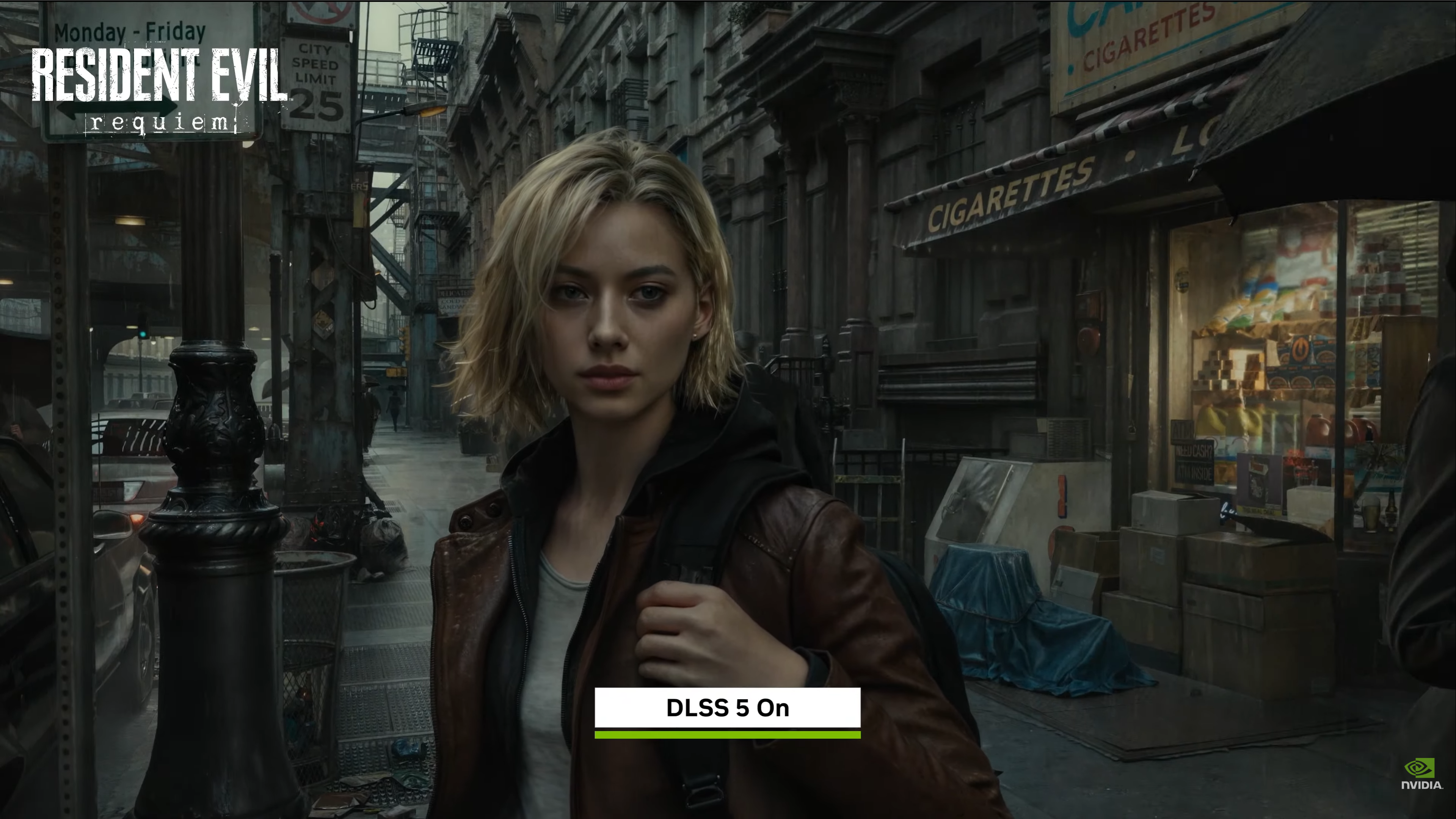
NVIDIA today unveiled NVIDIA DLSS 5, the company’s most significant breakthrough in computer graphics since the debut of real-time ray tracing in 2018.

nvidianews.nvidia.com
News Summary:
- NVIDIA DLSS 5, arriving this fall, introduces a real-time neural rendering model that infuses pixels with photoreal lighting and materials.
- DLSS 5 is the company's most significant breakthrough in computer graphics since the debut of real-time ray tracing in 2018.
- DLSS 5 will be supported by the industry's biggest publishers and game developers, including Bethesda, CAPCOM, Hotta Studio, NetEase, NCSOFT, S-GAME, Tencent, Ubisoft and Warner Bros. Games.
GTC—NVIDIA today unveiled NVIDIA DLSS 5, the company's most significant breakthrough in computer graphics since the debut of real-time ray tracing in 2018.
DLSS 5 introduces a real-time neural rendering model that infuses pixels with photoreal lighting and materials. Bridging the divide between rendering and reality, DLSS 5 empowers game developers to deliver a new level of photoreal computer graphics previously only achieved in Hollywood visual effects.
"Twenty-five years after NVIDIA invented the programmable shader, we are reinventing computer graphics once again," said Jensen Huang, founder and CEO of NVIDIA. "DLSS 5 is the GPT moment for graphics — blending handcrafted rendering with generative AI to deliver a dramatic leap in visual realism while preserving the control artists need for creative expression."
Bridging the Cinematic Gap
Since the dawn of NVIDIA GeForce™, NVIDIA has strived to deliver the graphics horsepower required for game developers to create incredible, realistic worlds — where lighting, reflections and shadows obey the laws of nature.
From programmable shaders with GeForce 3 in 2001, to CUDA® with GeForce 8800 GTX™ in 2006, to real-time ray tracing with GeForce RTX™ 2080 Ti in 2018, to path tracing and neural shaders with GeForce RTX 5090 in 2025, NVIDIA has delivered major architectural innovations and a massive 375,000x increase in compute to meet this challenge.
However, the rendering horsepower available to a 16-millisecond game frame remains a tiny fraction of that available to a photoreal Hollywood VFX frame, which can take minutes to hours to render. Real-time rendering cannot bridge the gap to photorealism through brute force alone.
DLSS was released in 2018 as an AI technology to boost performance, first by upscaling resolution and then by generating entirely new frames. It has been integrated in over 750 games, becoming a gold standard for the industry.
Launched at CES this year, DLSS 4.5 uses AI to draw 23 out of every 24 pixels seen on the screen. Today, DLSS is evolving beyond performance to transform visual fidelity in games.
Video AI models have rapidly learned to generate photoreal pixels, but they run offline, are difficult to precisely control and often lack predictability, with every new prompt generating bespoke content. For games, pixels must be deterministic, delivered in real time and tightly grounded in the game developer's 3D world and artistic intent.
DLSS 5 takes a game's color and motion vectors for each frame as input, and uses an AI model to infuse the scene with photoreal lighting and materials that are anchored to source 3D content and consistent from frame to frame. DLSS 5 runs in real time at up to 4K resolution for smooth, interactive gameplay.
The AI model is trained end to end to understand complex scene semantics such as characters, hair, fabric and translucent skin, along with environmental lighting conditions like front-lit, back-lit or overcast — all by analyzing a single frame. DLSS 5 then uses its deep understanding to generate visually precise images that handle complex elements such as subsurface scattering on skin, the delicate sheen of fabric and light-material interactions on hair, all while retaining the structure and semantics of the original scene.
DLSS 5 provides game developers with detailed controls for intensity, color grading and masking, so artists can determine where and how enhancements are applied to maintain each game's unique aesthetic. Integration is seamless, using the same NVIDIA Streamline framework used by existing DLSS and NVIDIA Reflex technologies.
Availability and Game Developer Support
DLSS 5 will be supported by the industry's biggest publishers and game developers, including Bethesda, CAPCOM, Hotta Studio, NetEase, NCSOFT, S-GAME, Tencent, Ubisoft and Warner Bros. Games.
"Bethesda has such a rich history pushing graphics with NVIDIA, going all the way back to
Morrowind, with that incredible water," said Todd Howard, studio head and executive producer at Bethesda Game Studios. "When NVIDIA showed us DLSS 5 and we got it running in
Starfield, it was amazing how it brought it to life. We've played it. We can't wait for all of you to do so as well."
"At CAPCOM, we strive to create experiences that feel cinematic, compelling and deeply believable — where every shadow, texture and ray of light is crafted with intention to enhance atmosphere and emotional impact," said Jun Takeuchi, executive producer and executive corporate officer at CAPCOM. "DLSS 5 represents another important step in pushing visual fidelity forward, helping players become even more immersed in the world of
Resident Evil."
"Immersion is about making the world feel real. DLSS 5 is a real step towards that goal," said Charlie Guillemot, co-CEO of Vantage Studios. "The way it renders lighting, materials and characters changes what we can promise to players. On
Assassin's Creed Shadows, it's letting us build the kind of worlds we've always wanted to."
DLSS 5 will come to games including
AION 2,
Assassin's Creed Shadows,
Black State,
CINDER CITY,
Delta Force,
Hogwarts Legacy,
Justice,
NARAKA: BLADEPOINT,
NTE: Neverness to Everness,
Phantom Blade Zero,
Resident Evil Requiem,
Sea of Remnants,
Starfield,
The Elder Scrolls IV: Oblivion Remastered,
Where Winds Meet and more.
DLSS 5 will arrive this fall.