FYI, if folks are still thinking about buying the card, Microcenter has ASRock one for $700 and non XT version for $600.
That's not an amazing price but better than 5070Ti with the cheapest being Zotec at $930.
That is a significant price difference. But there are some disadvantages you must be willing to accept.
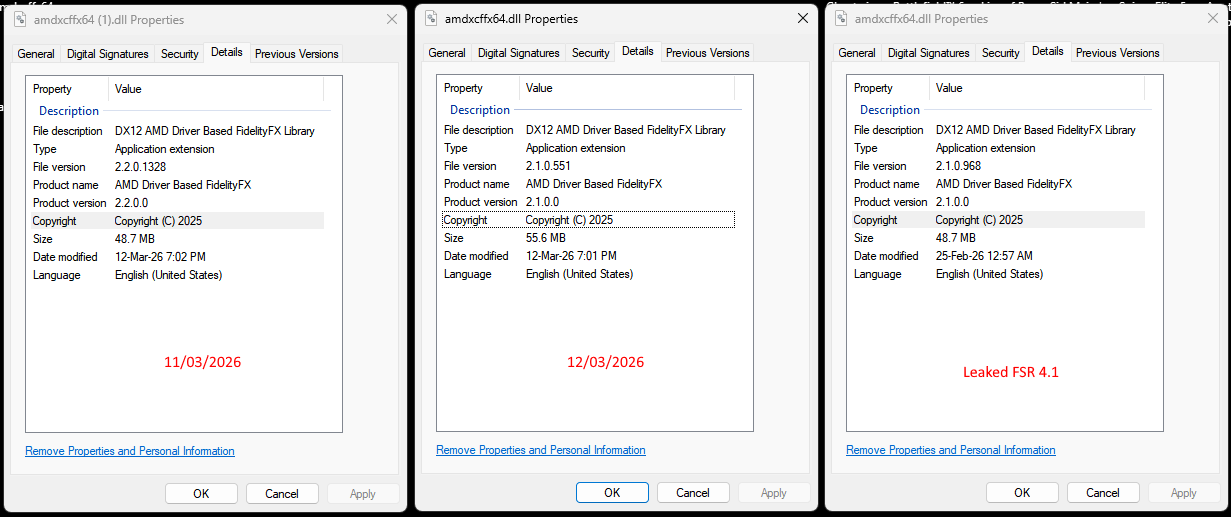
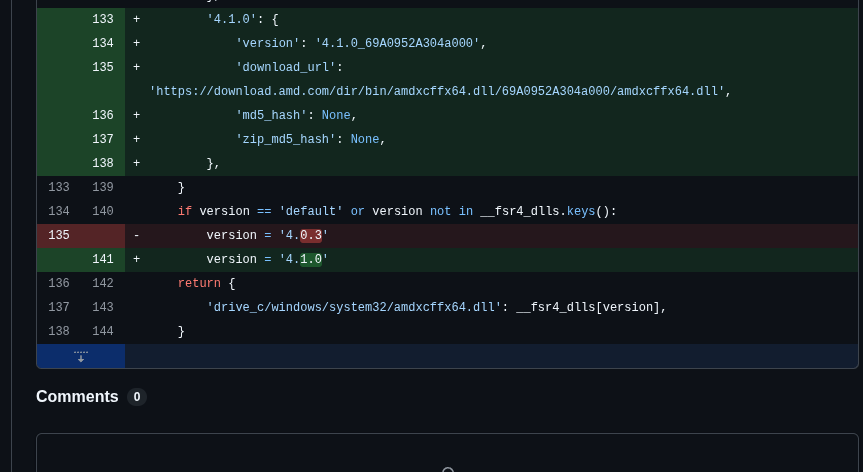
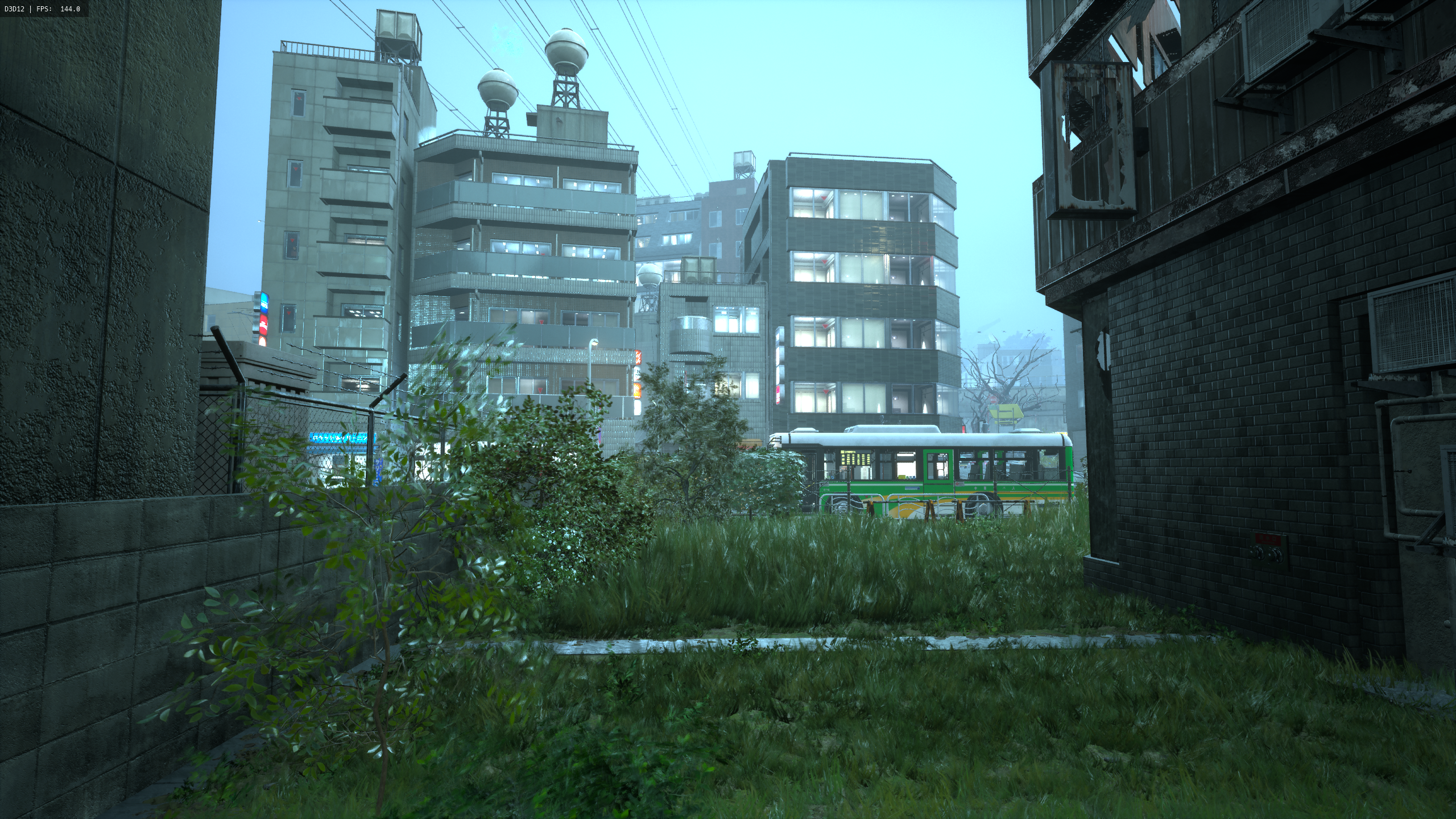
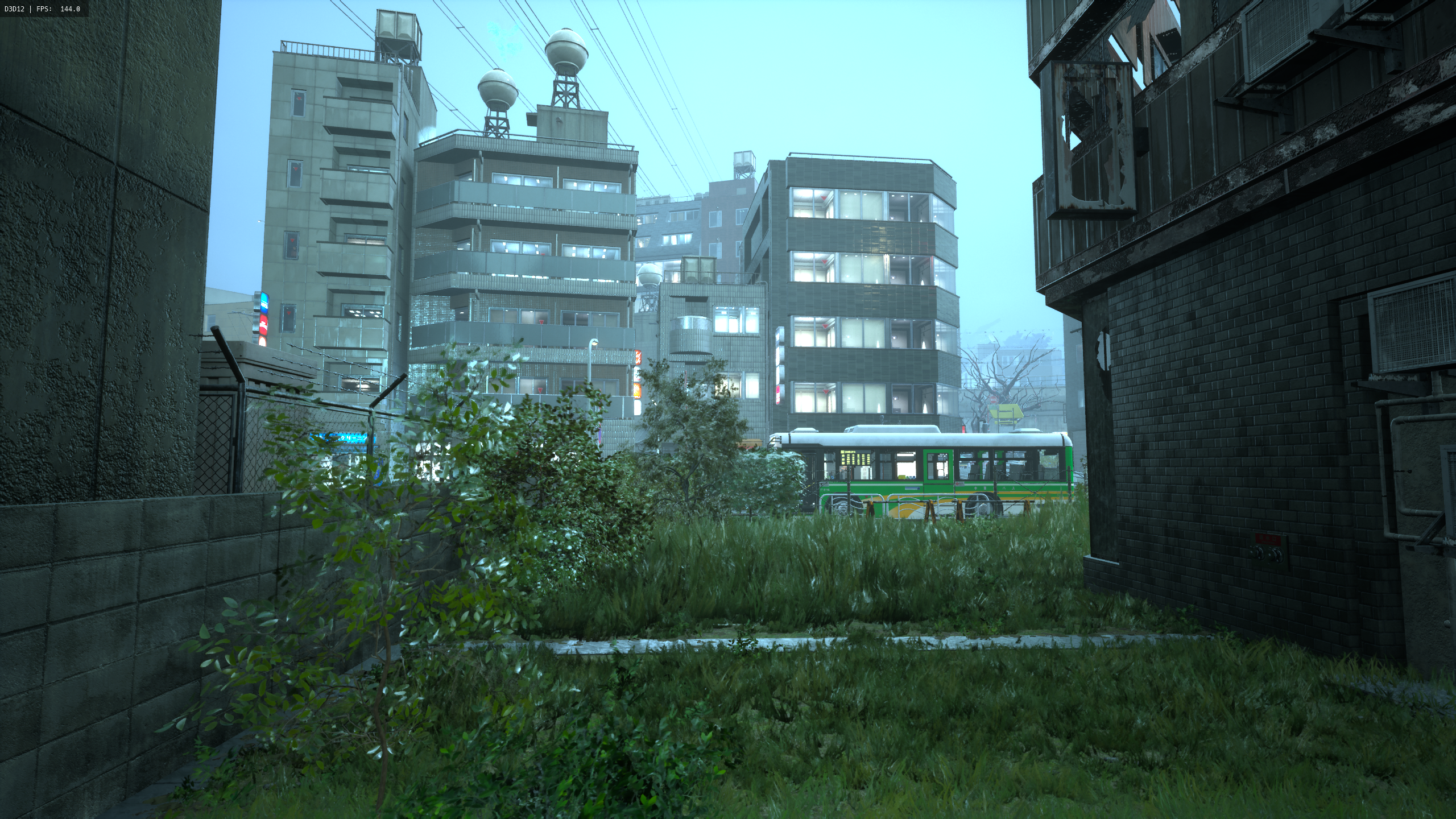
FSR4.1 is almost on par with DLSS4 and 4.5. But it still loses.
FSR4 list of games is a lot smaller than with DLSS4. With recent titles is very close, but with older games, the difference is big.
But if you use Optiscaler, there is almost parity between the 2. Using Optiscaler is easy, but it requires a couple of extra steps.
AMD has closed the gap with regards to NVenc, but it still loses by a small margin. If you plan on streaming, this is a consideration.
Nvidia RR is leagues ahead of AMD RR. Also, nVidia RR is supported in a dozen titles. AMD's RR is supported in 2.
Ray-tracing is slightly better on the 5070ti. But Path Tracing is much better and with the difference in RR, this can be a deal breaker for some people.
Nvidia's noise suppression feature is much better than AMD's equivalent. Though rumors say this that driver 26.3.1 will bring a new version that fixes this.
Another important point is that AMD now has very poor longevity support. According to L2_kepler, FSR Diamond will only work on RDNA5/UDNA. This is plausible, as RDNA2 and RDNA3 still don't have support for FSR4.
Meanwhile nvidia is still supporting GPUs from 2018 with DLSS 4 and 4.5. Though the later doesn't run well on Turing and Ampere.
Another point is that RDNA4 does not support OMM and SER. These are features that accelerate RT and PT.
Microsoft only now has added support for them in DX12, and it's still going to take some time to see them in games.
But if you plan on using the 9070XT for a long time, it will eventually become an issue.
On the other hand, AMD's drivers are very good. In the past year, better than Nvidia, with significantly fewer issues.


 winjer
only show that DLSS4.5 is broken in many aspects, it improves some things but breaks others vs. 4.0. Really fucking weird direction nvidia is going with this...
winjer
only show that DLSS4.5 is broken in many aspects, it improves some things but breaks others vs. 4.0. Really fucking weird direction nvidia is going with this...