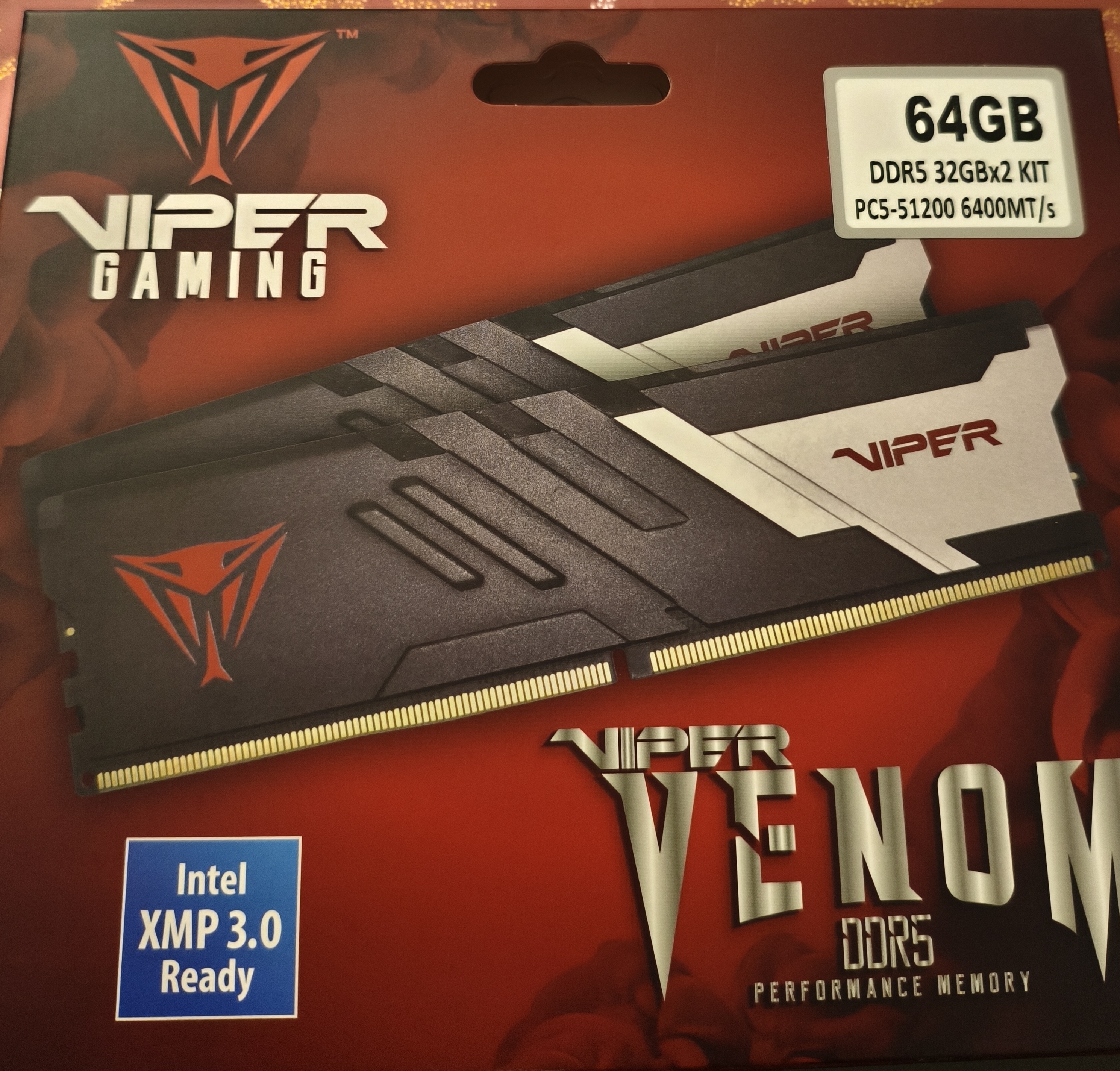
The memory market may be entering a long-term shortage phase, as major DRAM module vendor TEAMGROUP announced it has stopped issuing price quotes for RAM kits — a move interpreted as a signal that supply will tighten further and prices will rise. The suspension of quotes, mirrored by module maker ADATA, suggests that vendors anticipate mounting demand and shrinking supply, particularly as memory manufacturers re-allocate production capacity toward server-grade and AI-oriented DRAM. Industry sources confirm that DRAM chipmakers are prioritizing high-bandwidth memory and enterprise server modules demanded by AI infrastructure and data centers. That shift is reducing the amount of DRAM wafer capacity available for consumer-oriented DDR4 and DDR5 modules.
Contract data from Q3 2025 already indicate dramatic increases: DRAM prices are reportedly up 171.8 % year-over-year, marking one of the steepest rises among tech commodities. Memory-chip price hikes of up to 60 % have been observed, and analysts track quarter-on-quarter increases of 8–13 % for conventional DRAM, with potentially larger gains for HBM-inclusive products. Delays of new RAM module launches and price hikes for SSD- or memory-equipped systems — such as mini-PCs — confirm the stress is extending down the supply chain.
For PC builders and enthusiasts, especially those anticipating upgrades around next-gen platforms, the implications are significant. Memory costs are rising fast and availability is becoming unpredictable. Waiting for releases or cheaper RAM kits might not pay off, because supply allocations increasingly favor enterprise and AI workloads — likely keeping DDR4/DDR5 prices elevated well into 2026, perhaps even 2027. For any planned builds, especially high-core-count or multi-GPU systems, budgeting more conservatively and considering early acquisition of memory kits may be prudent.