winjer
Gold Member

Highguard requires Secure Boot to play, which might not be a popular move
You will also need a TPM.
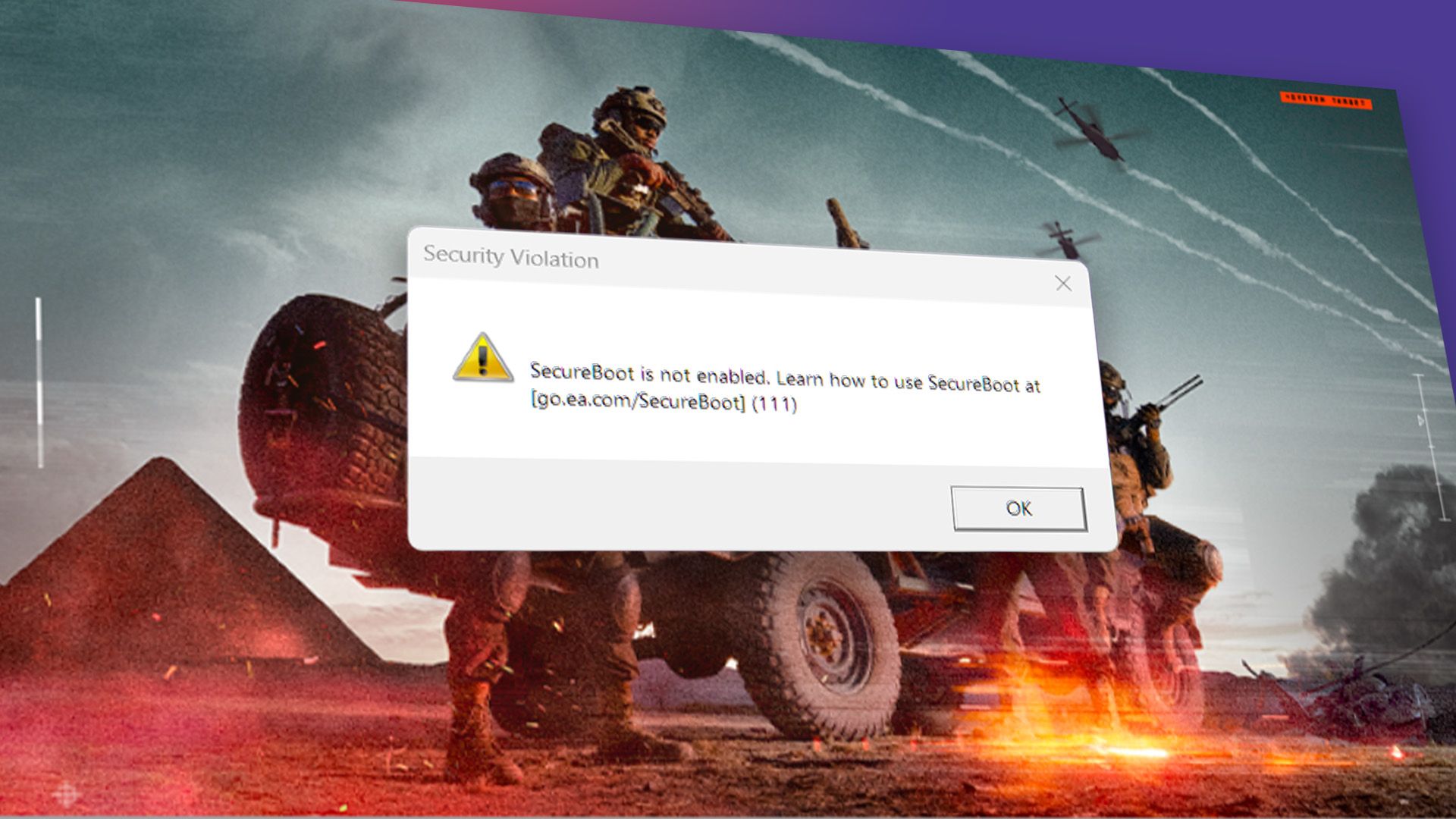
If you happened to have caught the Game Awards trailer for it, Highguard, an upcoming free-to-play hero shooter from ex-developers of Apex Legends and Titanfall, launches next week. You will need to enable Secure Boot if you plan on playing through.
As we've spotted on the Highguard Steam page, the game needs Secure Boot, TPM 2.0, and Easy Anti-Cheat to run. If you're wondering why that's a big deal, it's not to most gamers. If you have a Windows 11 PC with relatively new hardware, you should be able to enable all with little problem.
However, Secure Boot, as shown with the launch of Battlefield 6, tends to draw criticism. That's for three major reasons. The first is that Secure Boot is a kernel-level security measure, and anti-cheat software that uses it will effectively get privileged access to the inner sanctuary of your PC.
Secondly, older machines may not support Secure Boot or might not even have a Trusted Platform Module (TPM), which is used to store cryptographic keys. This means older machines are left in the dust.
However, one of the biggest complaints levied at Secure Boot is on behalf of Linux gamers. While Linux does have something called Secure Boot, that's not what game devs are tapping into. They want Windows. There are ways to get around it with virtual machines or streaming, but essentially, there's no casual route to playing these games without Windows.
However, Secure Boot and kernel-level anti-cheats are reportedly an effective way of dealing with cheaters, especially when the cost of entry to a free-to-play game is so low. If someone gets banned from playing Highguard, they simply need to use a different Steam account (and possibly use a VPN) to get around it.


 how will it survive without Highguard?