Some people here considers it. A PS1,5 or Nintendo 64'5, you'd be surprised
Yeah but why bother even listening to them? You know they're trolling, and they were like maybe less than a handful at best. Not worth getting bent out of shape or harping over IMO; pretty sure most would easily claim Dreamcast is a generation ahead of PS1 & N64.
Some more good times from the thread's past, it's fascinating to read about breakthroughs in tech back then from actual resident experts and in this case a unique case having been part of the development of some of the most impressive titles on both Dreamcast and PlayStation 2. Minds were blown by the frame generation deal.
Sidenote, Idk why it's so damn hard to find real PlayStation 2 footage, especially for known games like this, I guess it's not as easy to get nice connection and image quality vs just throwing PCSX2 on (not that Dreamcast emulation is behind, Flycast and Redream are both excellent and yet real hardware footage is abundant, I dunno).
One thing that isn't mentioned there about DC though is, due to how PowerVR did its tiling, all geometry assets had to sit in the VRAM alongside textures. So the VQ compression (8:1 compression ratio lossy, but still high-quality even with peak compression applied) helped manage and increase effective VRAM size and bandwidth...for textures.
I do not think it did that for geometry data, however. That said, geometry data isn't as big as texture data, so it's not like a ton of VRAM would be lost to geometry data anyhow. Even if say you effectively had 5 MB leftover for textures, that's still 40 MB of compressed texture assets in VRAM with 8:1 compression.
Also now I'm curious if GTA3 on PS2 could be improved since it is one of the first Renderware games and the engine was not well optimized at that time.
What is the latest released version of DOOM 64? I have one from February last year.
The Dreamcast was a true next gen console hardware. It was released a bit earlier than it should though. That made it look mighty impressive in late 1998 and through 1999, but it also caused some problems like killing the Saturn early which was doing well in Japan and not having a DVD which was a massive selling point for PS2. It was also receiving a ton of 5th gen game ports which brings me to this:
The Saturn was basically dead in Japan by 1997 though. Shipments during that year were drastically lower than the years prior, suggesting demand dried out and retailers stopped putting in orders. IIRC shipments to Japan that year were barely around 800K.
And the Dreamcast wasn't officially revealed until May 1998 at the New Challenge Conference; maybe rumors of Dreamcast had placed a dent on 1997 Saturn sales in Japan but more likely, PS1 just ate Saturn's lunch by then.
As for DVD, it just would've been too costly for SEGA to obtain a license at the time, especially for film playback, while keeping Dreamcast at the MSRP it had. They'd either have to of taken a bigger hit upfront, or do what Microsoft did and sell a remote that unlocked the license at a separate cost (but kind of defeats the purpose of claiming it can play DVD movies out of the box). They would've also needed either an MPEG-2 decoder ASIC integrated into the system or beefy DSP coprocessor(s) to offload the CPU from handling MPEG-2 decoding in software (the integrated SIMD vector unit didn't provide enough processing power to do this on its own).
Also the Dreamcast's CPU doesn't have native instructions for MPEG-2 decoding, so you'd have to use mixes of more instructions to do the decoding task, bloating execution time for decoding operations (hence why you'd need more hardware overhead i.e beefier DSP coprocessor(s)). Hitachi did co-develop (or manufacture, at least) another CPU (more like a SoC) around the same time as SH4 called the MAP/1000 which had multimedia SIMD vector units for decoding operations of things like MPEG-2, but from what I've seen that processor was prohibitively more expensive to purchase (and manufacture) than the SH4 in Dreamcast.
Because the console was released at the peak of PS1/N64's lifespan, it was getting a ton of games that were made with these consoles in mind. And the improvements on the DC ports weren't massive enough to make them look "next-gen". It was basically a 6th gen console that was flooded with 5th gen games. Which is why it would look like a "N64 1.5" for some people who played many of these ports, making it harder for them to justify the upgrade.
Definitely true. Also some of the 3P AAA for the system in its very early years, while impressive-looking, didn't have the budgets behind them to really push the visual fidelity at a level it otherwise could've. You mainly relied on SEGA's own 1P titles, and maybe the spare game from Namco, Tecmo, Bizarre Creations or WARP (D2) to show what the system was capable of.
IMO, from a business/marketing perspective, it wasn't the best idea to release a 6th gen console so early. Especially during the Metal Gear Solid and Ocarina of Time season stealing much of the thunder. PS1/N64 users weren't going to abandon their consoles when those games were released. Sega should have tried and make the best they could with the Saturn and release the Dreamcast with a DVD and a more polished Sonic Adventure a year later. It would still beat the PS2 on the market with a DVD and people would be more ready to move on from 5th gen stuff.
Yeah, even a mid-1999 Japanese launch for Dreamcast (or even Fall 1999) and maybe Late Spring/Early Summer 2000 launch (maybe around the time of E3) would've done wonders for Dreamcast and its software.
But like I said before, Saturn sales basically collapsed in Japan in 1997. Not to mention it was dead everywhere else by that time especially after E3 that year. So SEGA probably felt they didn't have time to wait any longer for Dreamcast, as they would've gone even longer without a major retail presence in Japan.
While it's true the Dreamcast did this and it's games were close to Model 3 quality at home, which was like a dream come true at the time, it also helped that the arcades themselves stopped doing the big jumps in tech they used to. There wasn't a Model 4 in 1998, for instance.
So you have a combination of a 6th gen console releasing earlier than expected and the arcades not having a big jump in tech in 1998, sticking with 1996's Model 3 as the peak, with only some revision improvements. And while stuff like Sega Hikaru was released in 1999, which was powerful enough to be the next Model 4, Sega pushed the cheaper Naomi instead, which was just the Dreamcast hardware you had at home. The Naomi/DC weren't even an upgrade over the Model 3, they were at the same exact ballpark (IMO they were a downgrade compared to later Model 3 revisions but that's a different discussion).
TBF, the NAOMI 2 was quite a lot more powerful than a stock Dreamcast, or a stock NAOMI for that matter (which was a Dreamcast with a faster GPU and more RAM), and SEGA pushed that as the successor to NAOMI. It was probably more economically feasible than pushing Hikaru, too, both for SEGA and 3P making cabinets around NAOMI boards.
So you are right. A big jump for the home market but a big step backwards for arcades. 6th gen was the beginning of the end for the arcades after all so that's not a coincidence. People loved the arcades because they had state of the art visuals you couldn't get at home. If the consoles and PCs (with 3D accelerators) could give you the same specs, why would you bother with arcades?
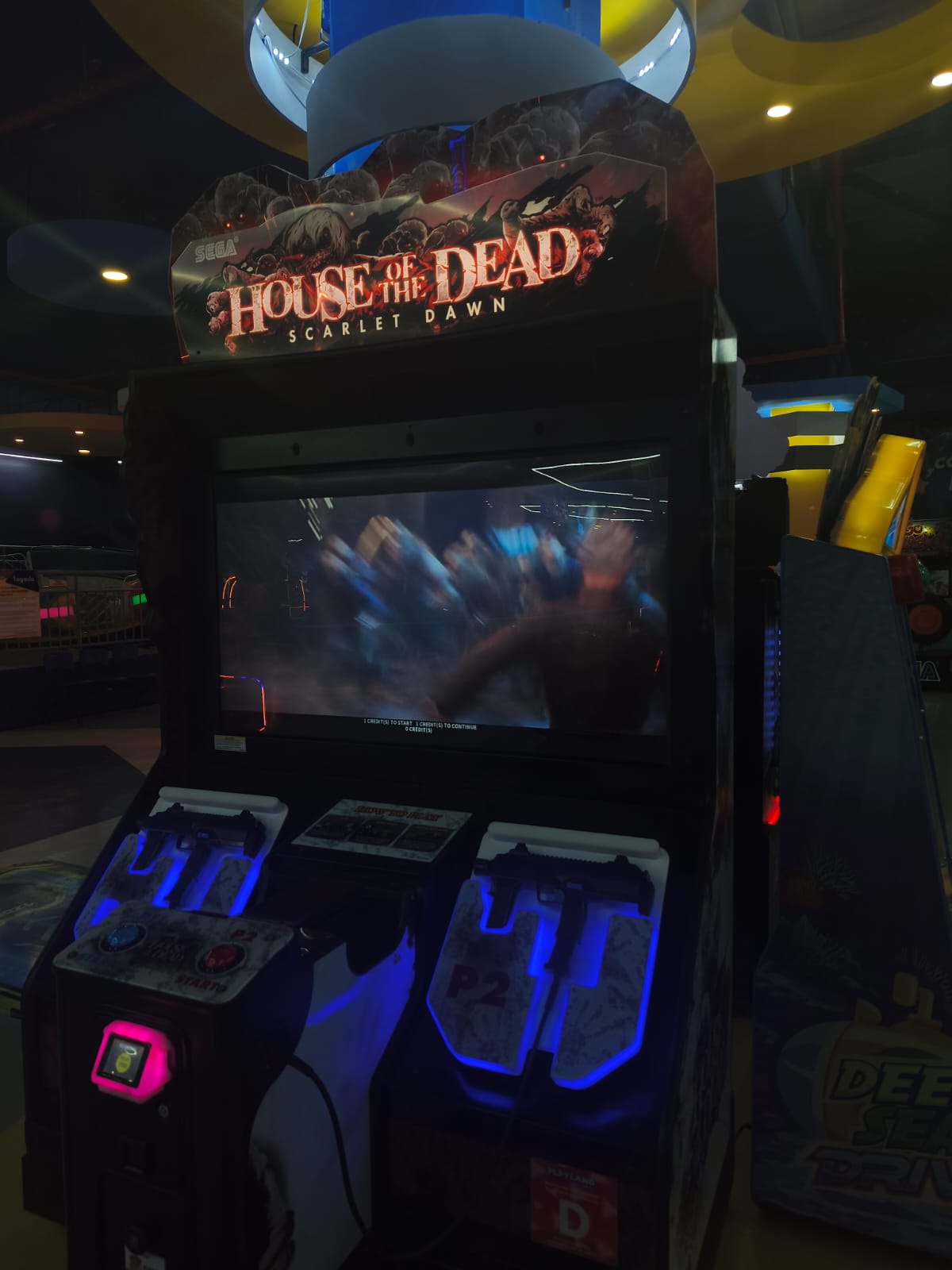
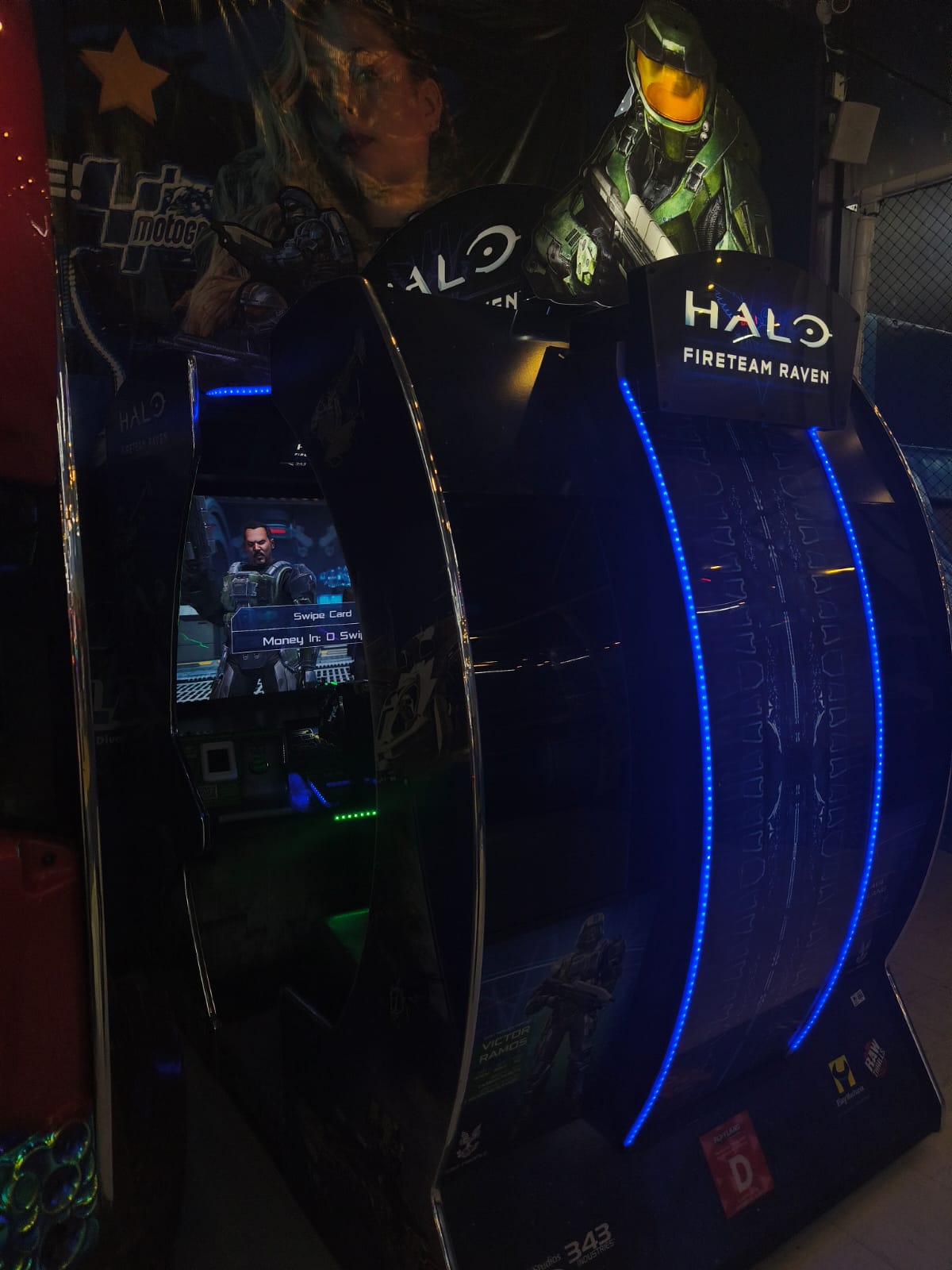
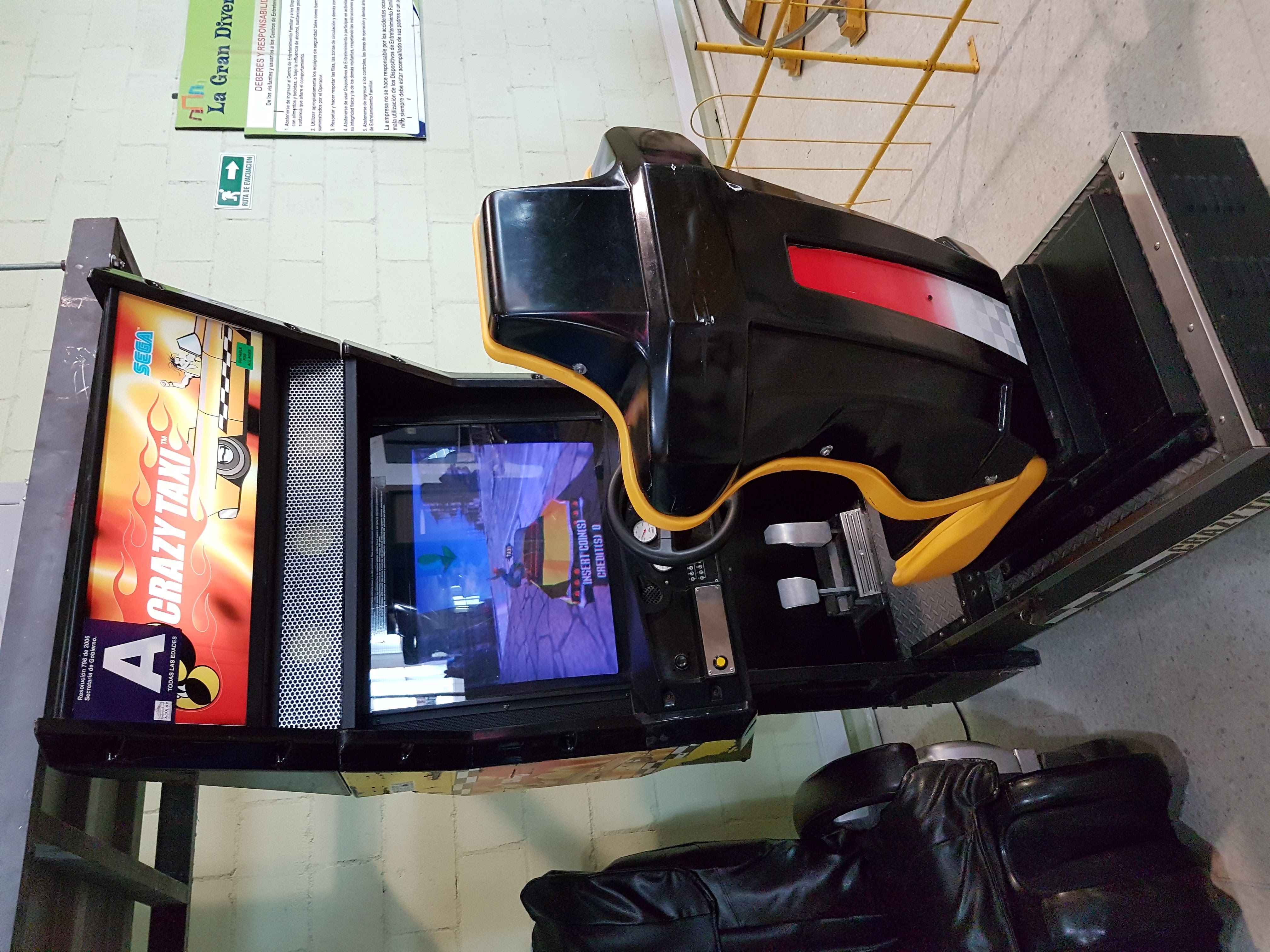
FWIW, arcades had (and I'd argue to this day, still have) another big advantage over home consoles: immersive force/haptic feedback. Full-body feedback in many cases with immersive cabinets and controls as well. Playing something like a jet ski game in the arcade with an actual recreated jet ski to ride on, will always beat playing that same game at home using some regular old controller, at least IMO.



 Transformers Armada uses the same trick and in hindsight it might have been possible to do that on a Dreamcast as well! In any case if GPC were ever made for Dreamcast it would have less polygons and better image quality than the PS2 game.