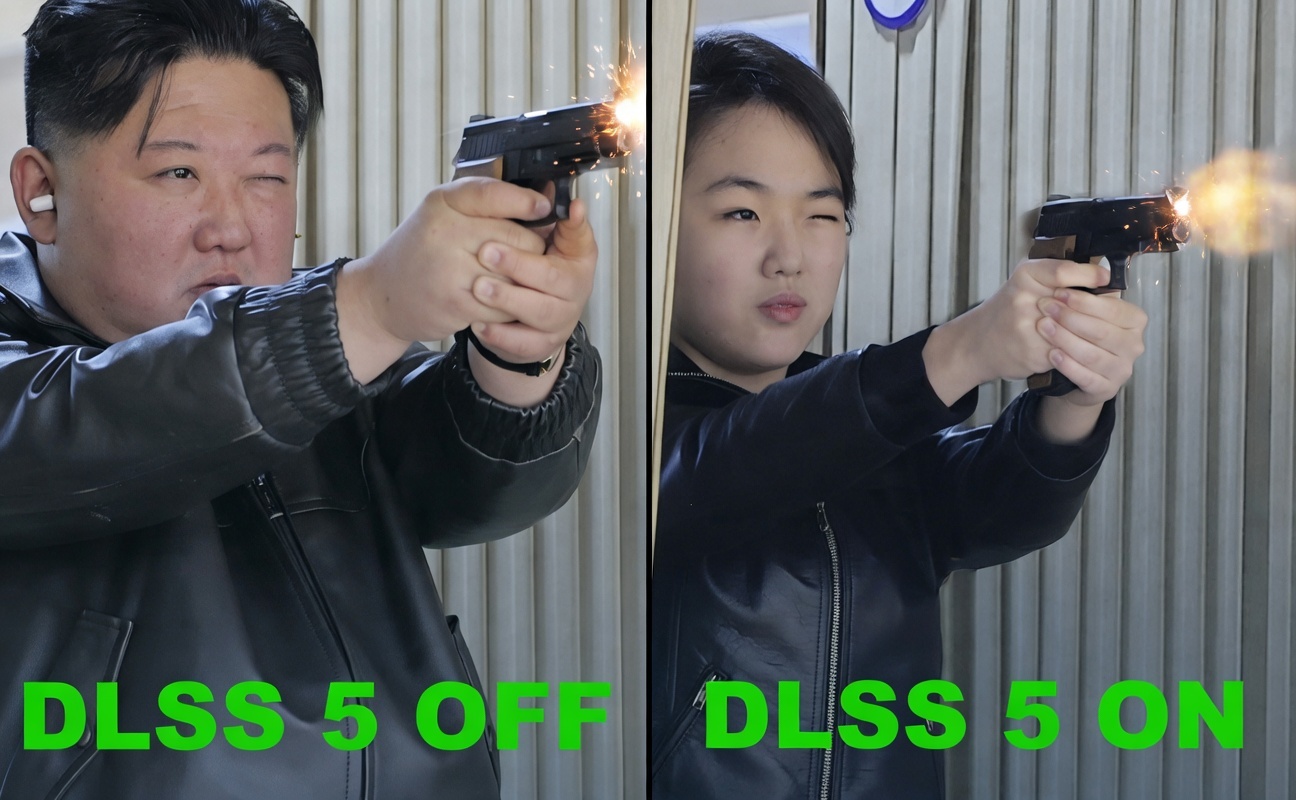
Ok I found the doc.
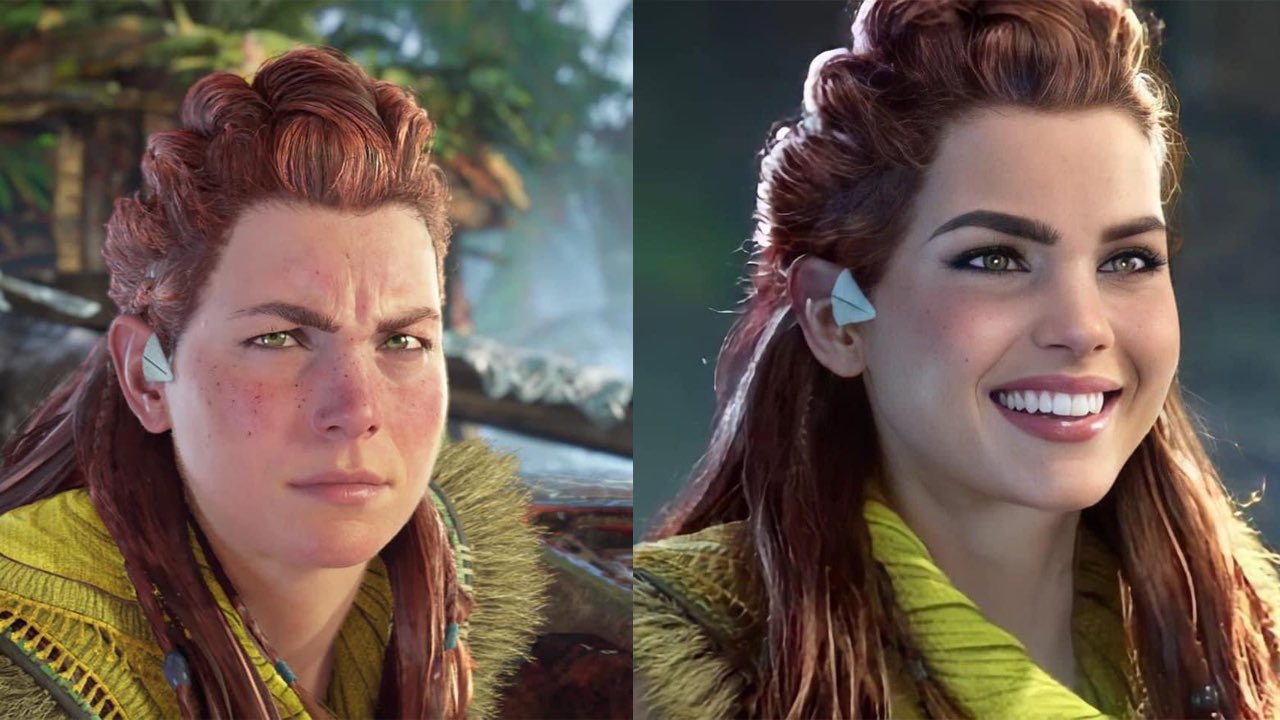
The AI model is trained end to end to understand complex scene semantics such as characters, hair, fabric and translucent skin, along with environmental lighting conditions like front-lit, back-lit or overcast — all by analyzing a single frame. DLSS 5 then uses its deep understanding to generate visually precise images that handle complex elements such as subsurface scattering on skin, the delicate sheen of fabric and light-material interactions on hair, all while retaining the structure and semantics of the original scene.
DLSS 5 provides game developers with detailed controls for intensity, color grading and masking, so artists can determine where and how enhancements are applied to maintain each game's unique aesthetic. Integration is seamless, using the same NVIDIA Streamline framework used by existing DLSS and NVIDIA Reflex technologies.










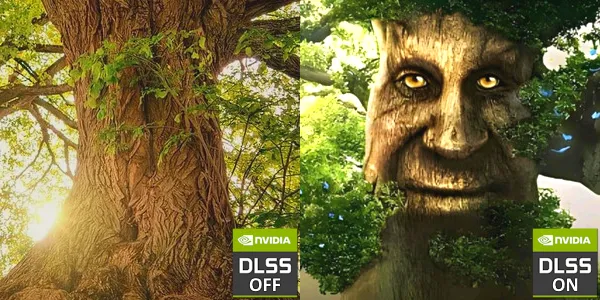


 plant just to play *Starfield* with PS5-level graphics?