Wait, do you mean the Switch 2 closer to Series S by developers? I think that's taking DLSS into account. In a modern game using the more advanced featureset, DLSS and rendering techniques that cant run on the ps4 I think its not too outlandish a statement that the Switch 2 is closer to the Series S than the PS4 albeit this was presented in a very optimistic tone by developers, implying closer proximity to the latter than reality.
it's still, on a pure raster performance level, basically a PS4+
it's a PS4 with a slightly better CPU and a slightly better GPU.
If you meant in comparison to the PS4 and pro Cyberpunk 2077 is a very prominent example, tested by Digital Foundry.
a prominent example of how it's closer to the base PS4 in performance.
and also running, again, almost exactly at half the performance and/or resolution of the Series S (depending on the mode selected)
"So, what have we learned? I think Virtuos/Black Shamrock's comments about the CPU performance from Switch 2 are born out - ballpark last-gen performance makes sense in a resource-constrained device running at low clock speeds. The GPU side of things sees Switch 2 perform very nicely for a system in the 20W ballpark, pulling ahead of PS4 and even getting into PS4 Pro territory in some cases - all the while running the computationally heavy DLSS upscaler."
it never comes into PS4 Pro territory. not a single game did so far.
DLSS is also not any more heavy to run than FSR2/3. it just looks better.
so the Series S in Cyberpunk is a good comparison point. Switch 2 runs DLSS, Series S runs FSR. similar GPU load added, while the Series S has a 2x higher internal res, runs more stable, and has higher settings.
the CPU performance then comes into play when setting the Series S to performance mode of course, where it then runs at roughly the same res as the Switch 2's quality mode, but at twice the FPS, showing again that the GPU is capable of 2x the raster performance of the Switch 2.
the Switch 2 is basically a PS4+,
slightly faster (10%~20%) in both CPU and GPU,
has RT Cores,
has Tensor Cores.
the RT Cores allow for effects that the PS4 couldn't render,
the Tensor Cores allow games to look better than their internal resolution would suggest.
but at its core, it's essentially a PS4, with a slight performance bonus, and an upgrade from the DirectX 12 feature set to the full DirectX 12 Ultimate feature set. (I am using DirectX as the metric here because basically all other APIs basically just mimic DirectX's festures)
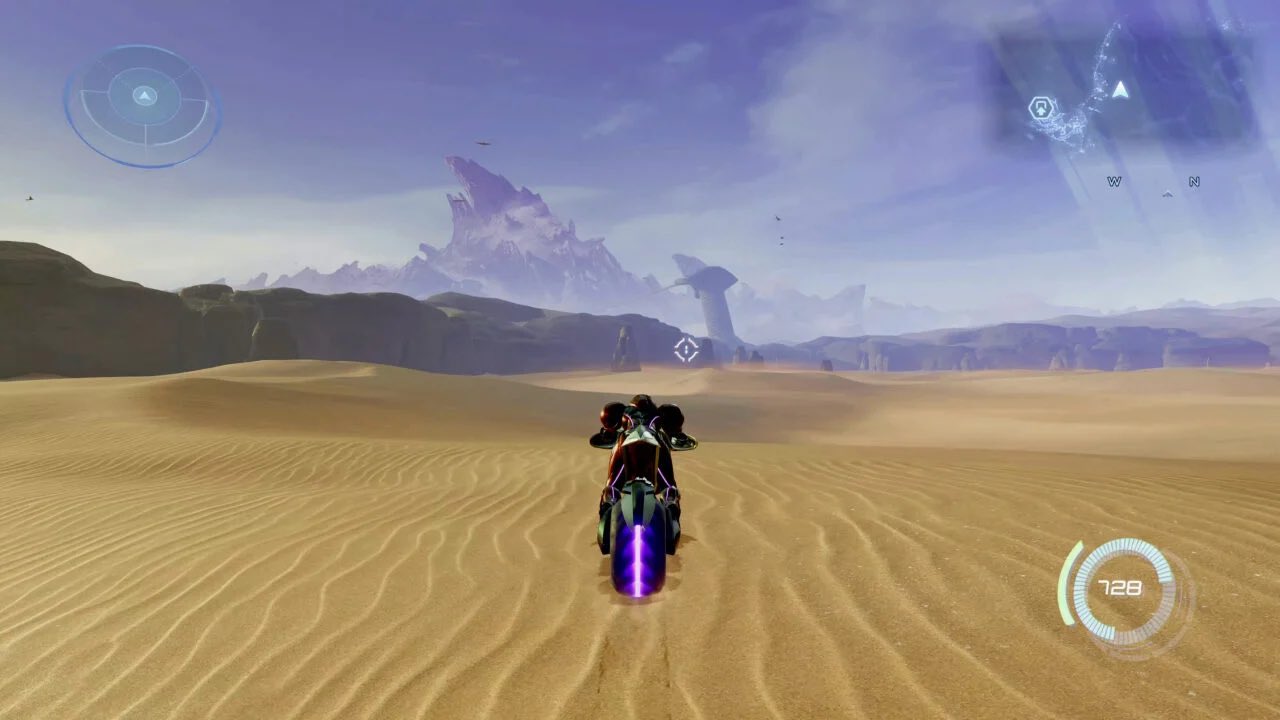
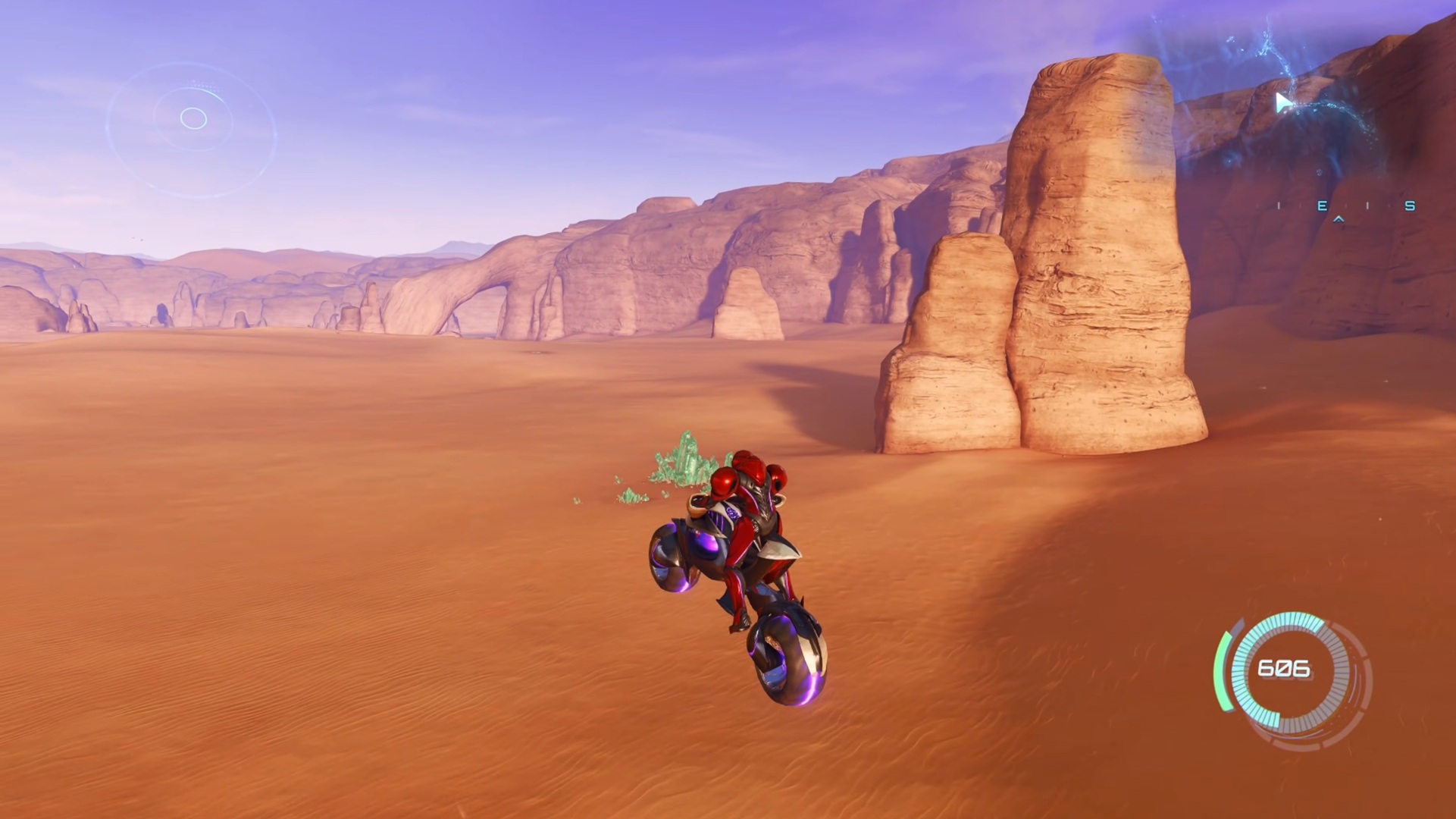
Metroid Prime 4 doesn't use any DX12 Ultimate features that the PS4 or Xbox One couldn't also run. because it's a Switch 1 game ported to Switch 2.
you brought up Halo 4 on Xbox One as a comparison, and I pointed out that your comparison fully matches the expected performance you'd see on Switch 2, of a Halo 4 level title running on the Switch 2's GPU.
so DLSS, RT, DX12 Ultimate features like Sampler Feedback, Mesh Shaders or anything like that is entirely irrelevant here.
the relevant metric when looking at Prime 4 in comparison to Halo 4 is the pure raster performance of the GPU. and the pure raster performance is in the ballpark of a 2.0~2.2 TFLOPS GCN GPU.