In tens of the MP experience, I'm not sure what the benefit of a WW1 setting is over a WW2 setting. The battleground locations are roughly the same (apart from possible trenches). Uniforms and factions aren't vastly different.
WW1 vehicles will generally be slower, and with a lot less diversity - that could work well for aerial vehicles, but I think the ground vehicles would suffer a lot in comparison to the fun gameplay opportunities offered by the faster WW2 variants.
With weapons, WW1 again offers a lot less variety and classes of weapon in comparison to WW2, at least AFAICS. Maybe the prototype weapons angle helps there, and I'm certainly not advocating the kitchen sink approach to weapons that BF3 and BF4 took - I was much happier with BFBC2 weapon options in terms of number and variety - but I still think the ground vehicle diversity and speed of WW1 makes for poorer gameplay opportunities, and that's the deal breaker for me.
You generally had more variations of weapons in WWII, but the technological gap wasn't as large as it was in WWI
For example, in WWI near the start of the war you had fighting with cavalry. Then with the MG's/artillery many forces stopped using horses for that purpose (which in time gave way to tanks for that role). Horses still served in other roles (scouts, messengers) and in some areas were still used in combat later on but not nearly as much as the start.+
The start and end of the war was a very different type of battlefield vs WWII where the gap wasn't nearly as big in terms of the technology or tactics.
To give you another example of some things they used:
https://en.wikipedia.org/wiki/Leach_Trench_Catapult
which got replaced by things like:
https://en.wikipedia.org/wiki/Stokes_mortar
https://en.wikipedia.org/wiki/2_inch_Medium_Mortar
Then you had things like melee combat. Generally starting with Bayonets and then people saw how useless they were in tight quarters since it was usually attached to a long weapon.
This gave way to using things like spades(shovels), to trench clubs (basically wooden maces with steel and other things at the end) to trench knives(many o which were made from the bayonets), axes, and other things you probably didn't expect to hear about them fighting with in WWI.
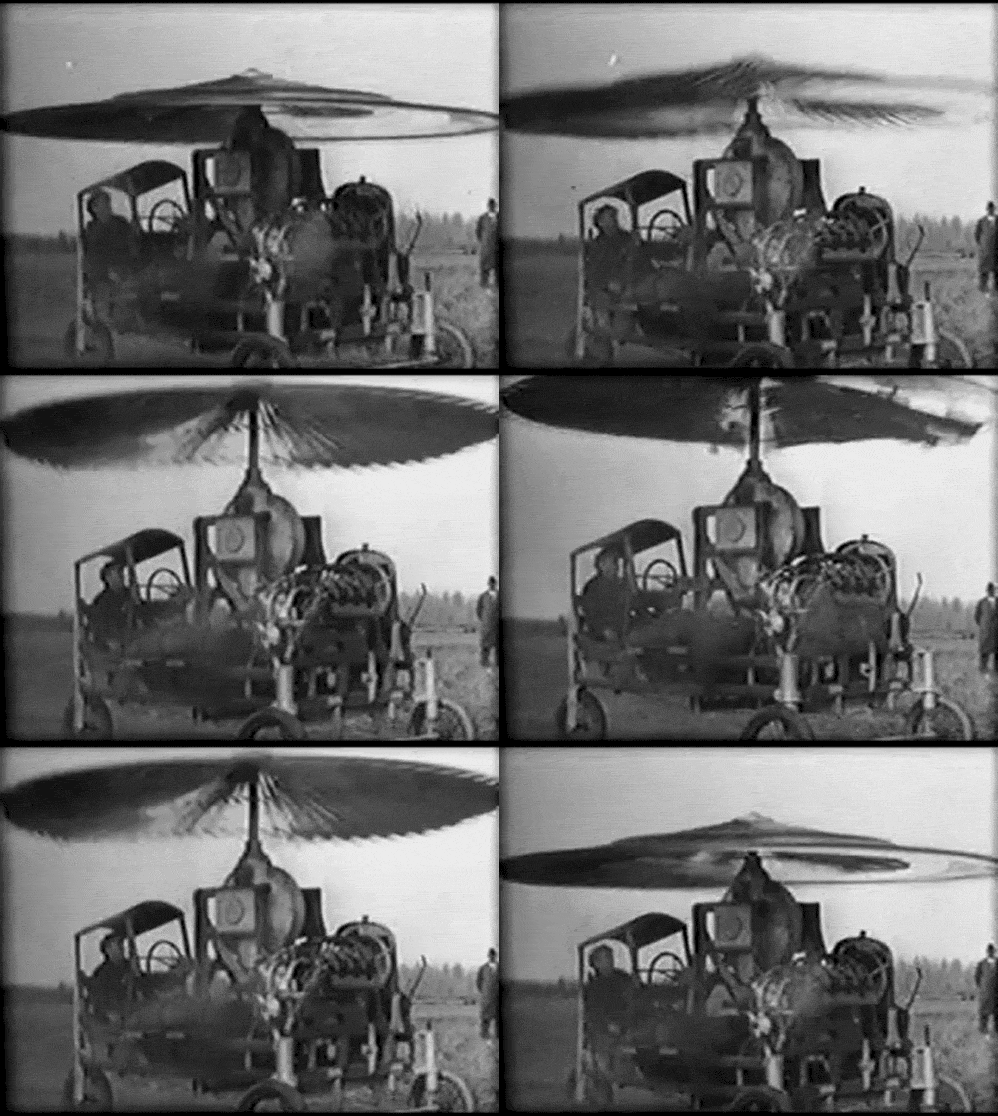
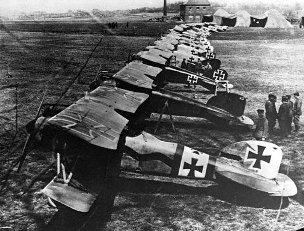
Then look at airplanes. Starting out they were mostly used for recon, seeing where troops were and other things. Then slowly started taking a more active role. From dropping things down on the enemy (including darts/arrows) to nades, gas, etc. They generally used regular guns inside to fire at other planes but these were quite inaccurate. then an MG on the tail but these were generally for defensive purposes and fighting other planes. Then came the synchronisation gear, which allowed them to mount mg's at the front to fire through the propellor without hitting the blades. This started the huge push of aerial combat in WWI.