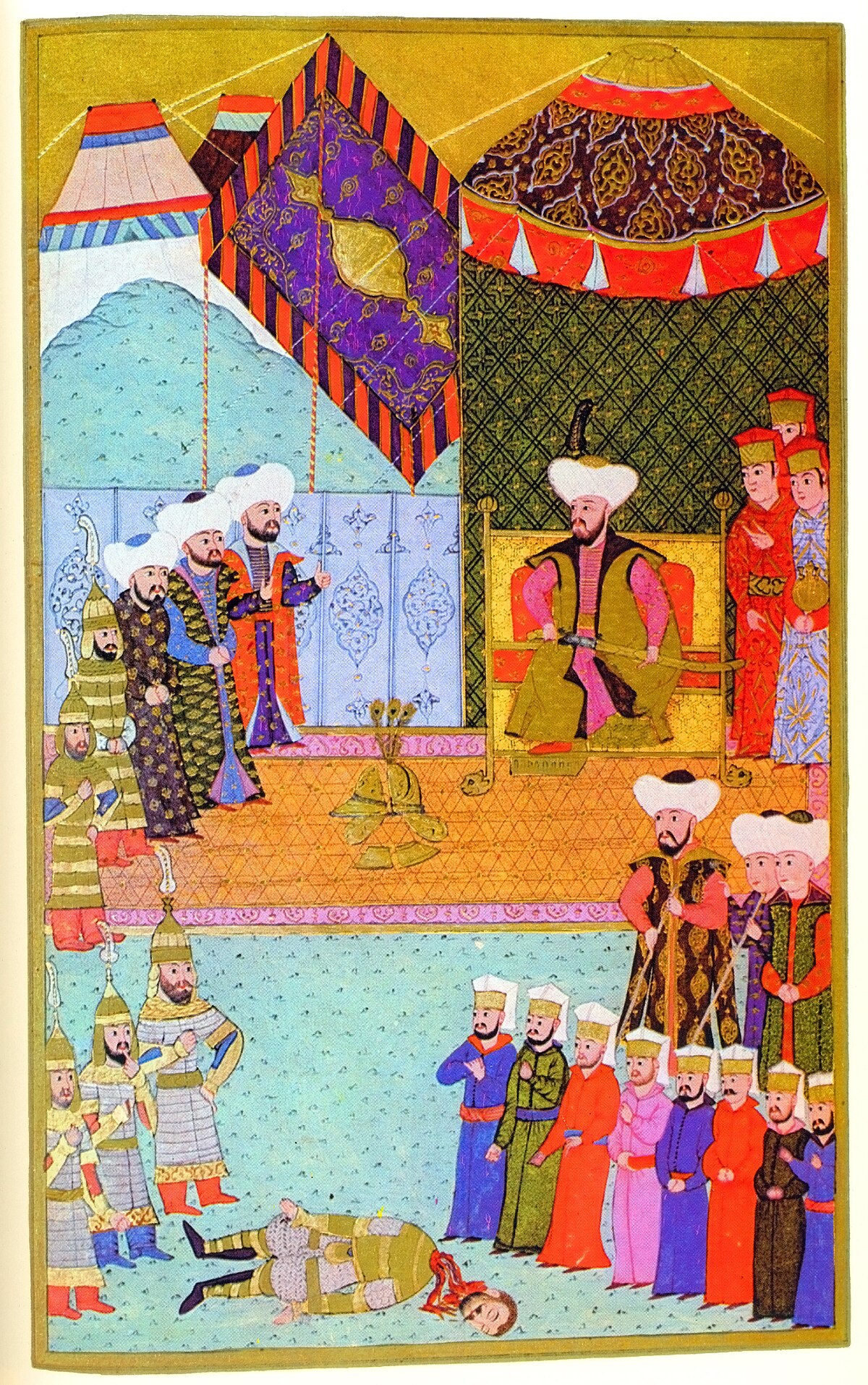
When performed within the context of Islamic warfare, the
ghazw's function was to weaken the enemy's defenses in preparation for his eventual conquest and subjugation. Because the typical
ghazw raiding party often did not have the size or strength to seize military or territorial objectives, this usually meant sudden attacks on weakly defended targets (e.g. villages) with the intent of demoralizing the enemy and destroying material which could support their military forces. Though Islam's rules of warfare offered protection to non-combatants such as women,
monastics and
peasants in that they could not be slain, their property could still be looted or destroyed, and they themselves could be abducted and enslaved (
Cambridge History of Islam, p. 269):



 after all that rhetoric