Cyberpunkd
Member
Our honorary GAF Lady comes with a new video dropping truth bombs:
AI summary below:
I would definitely agree about feedback loop, extensive internal and external tests, involving the community in co-creating your game, showing them you listen to their feedback. Do, don't tell.
AI summary below:
What happens in Highguard's launch
- Highguard, a free‑to‑play 3v3 hero shooter from ex‑Apex/Titanfall devs, launched with about 97,000 concurrent Steam players on day one, boosted by a big Game Awards finale slot and crossplay on PC, PlayStation, and Xbox.
- Within days, concurrent players fell by roughly 85–90% to around 10–11k, and Steam reviews turned "mostly negative," with players citing bland characters, slow pacing on large maps, and performance bugs.
Main reasons the game stumbled
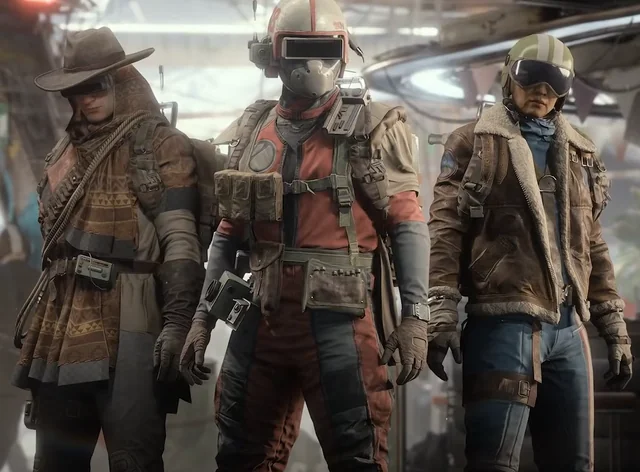
- The creator argues Highguard lacks aspirational heroes: characters with immediate style, personality, and fantasy, similar to Apex Legends, that make players want to "be" them; instead, Highguard's roster feels generic and forgettable.
- The studio tried an Apex‑style "shadow drop" without a large QA army or public beta, relying on a team of about 100 at a self‑publishing indie, so issues like weak characters and performance problems weren't caught or iterated on before launch.
The role of hype and today's market
- Geoff Keighley championed the game and gave it a free Game Awards finale slot, which massively inflated expectations but also made any flaws more visible when the game finally released.
- The video contrasts 2019's Apex launch—fewer high‑quality F2P competitors, huge internal testing resources—with 2026's crowded space (Apex, Valorant, Overwatch 2, Marvel Rivals, Ark Raiders, etc.), where players sample a new game for 20–30 minutes and quickly bounce if pacing, polish, or characters don't click.
Lessons about feedback and culture
- The key lesson is the need for a robust feedback loop: internal play, external playtests/early access, and especially real player reactions to refine characters, pacing, and performance before and after launch.
- The creator references a previous "culture killed Concord" video and notes that internal bubbles and studio culture can block hard feedback; with Highguard, there were clear red flags in trailers and early gameplay that weren't sufficiently addressed.
Outlook for Highguard
- Because Wildlight is a self‑funded indie with private investment, the video suggests they may have more runway to listen, iterate, and potentially pivot the game's direction over time.
- The closing message is cautiously optimistic: Highguard's rough start shows how fast fortunes can change in live service games, but the "story isn't over" if the team embraces player feedback and is willing to adapt.
I would definitely agree about feedback loop, extensive internal and external tests, involving the community in co-creating your game, showing them you listen to their feedback. Do, don't tell.
Last edited: