
-
Hey Guest. Check out your NeoGAF Wrapped 2025 results here!
You are using an out of date browser. It may not display this or other websites correctly.
You should upgrade or use an alternative browser.
You should upgrade or use an alternative browser.
Monitoring the situation in Iran
- Thread starter EviLore
- Start date
- Status
- Not open for further replies.

Russia should go help them.

bitbydeath
Member
I don't usually comment in these, but much respect to Trump and the US forces.
Here's hoping this instills some peace around the world.
Here's hoping this instills some peace around the world.

Dirk Benedict
Gold Member
Iran with the F4 phantom hype video
I can't even laugh. It's too sad and pathetic.
Stay safe out there, friends.
Prob best to avoid crowded places till things simmer down.

ChuckeRearmed
Member
I find it interesting how neither in Venezuela nor in Iran, the chinese and russian equipment did anything. I could understand with Venezuela - where they probably made a deal and disabled those things. Now I believe tha USA has some way to disable those systems altogether considering that in Iran they did not react at all. In Venezuela it was probably the same.
Last edited:


NickFire
Member
I think rioters is being overly generous to a group of crazy people looking to murder US officials. They weren't gonna lay down the stuff they broke into a us embassy with if they succeeded just to have coffee and conversation, that's for sure"protestors"
I hate the propaganda by using that word for rioters. Same with "mostly peaceful."
Get fucked, cunts.

DeepEnigma
Gold Member
Enemy combatants, yeah.I think rioters is being overly generous to a group of crazy people looking to murder US officials. They weren't gonna lay down the stuff they broke into a us embassy with if they succeeded just to have coffee and conversation, that's for sure
China only looks impressive when they can successfully mass IP theft from the West. They cut corners wherever they can get away with it and misrepresent what they have.I find it interesting how neither in Venezuela nor in Iran, the chinese and russian equipment did anything. I could understand with Venezuela - where they probably made a deal and disabled those things. Now I believe tha USA has some way to disable those systems altogether considering that in Iran they did not react at all. In Venezuela it was probably the same.

Bojji
Member
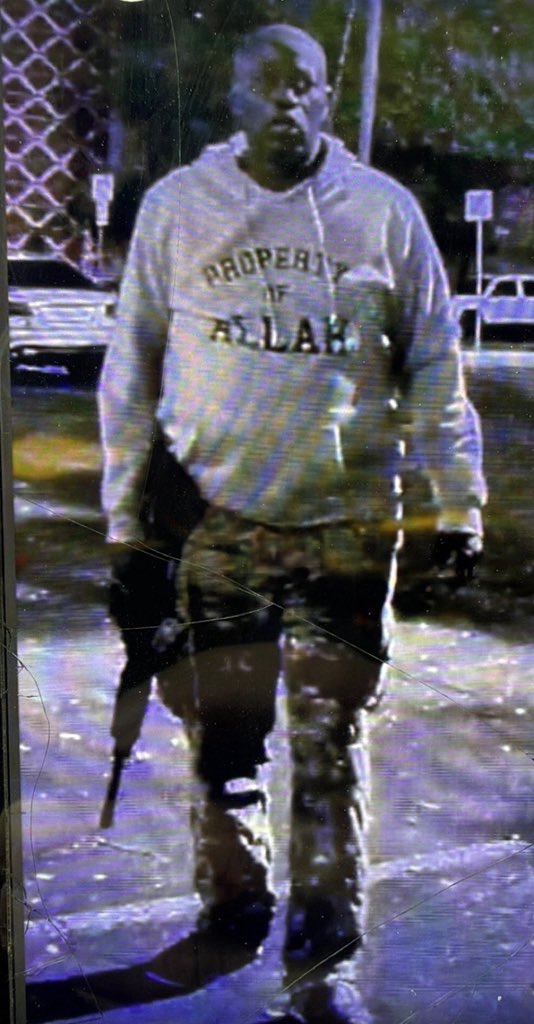
Safe to assume a terrorist.
"not every Muslim is a terrorist, but almost all terrorists are Muslims"
It's a stereotype but it may save lives...

John Marston
GAF's very own treasure goblin


ChuckeRearmed
Member
LMAO what a phrase: "Despite all doubts, we share many of their objectives, even if we ourselves aren't capable of actually achieving them"

Wildebeest
Member
Its no huge secret. These systems are not able to handle the quantity of false signals that the latest electronic warfare throw at them. In Ukraine the jamming tech, on both sides, became so hostile that they are running drones on fiber optic cable.I find it interesting how neither in Venezuela nor in Iran, the chinese and russian equipment did anything. I could understand with Venezuela - where they probably made a deal and disabled those things. Now I believe tha USA has some way to disable those systems altogether considering that in Iran they did not react at all. In Venezuela it was probably the same.

kruis
Exposing the sinister cartel of retailers who allow companies to pay for advertising space.
Its no huge secret. These systems are not able to handle the quantity of false signals that the latest electronic warfare throw at them. In Ukraine the jamming tech, on both sides, became so hostile that they are running drones on fiber optic cable.
Whole portions of the Ukrainian battlefields are covered by fiber optic cables. Crazy sight.
Bojji
Member
Whole portions of the Ukrainian battlefields are covered by fiber optic cables. Crazy sight.
Surreal stuff.
ChuckeRearmed
Member
Whole portions of the Ukrainian battlefields are covered by fiber optic cables. Crazy sight.
well it is special place for sure

nush
Gold Member
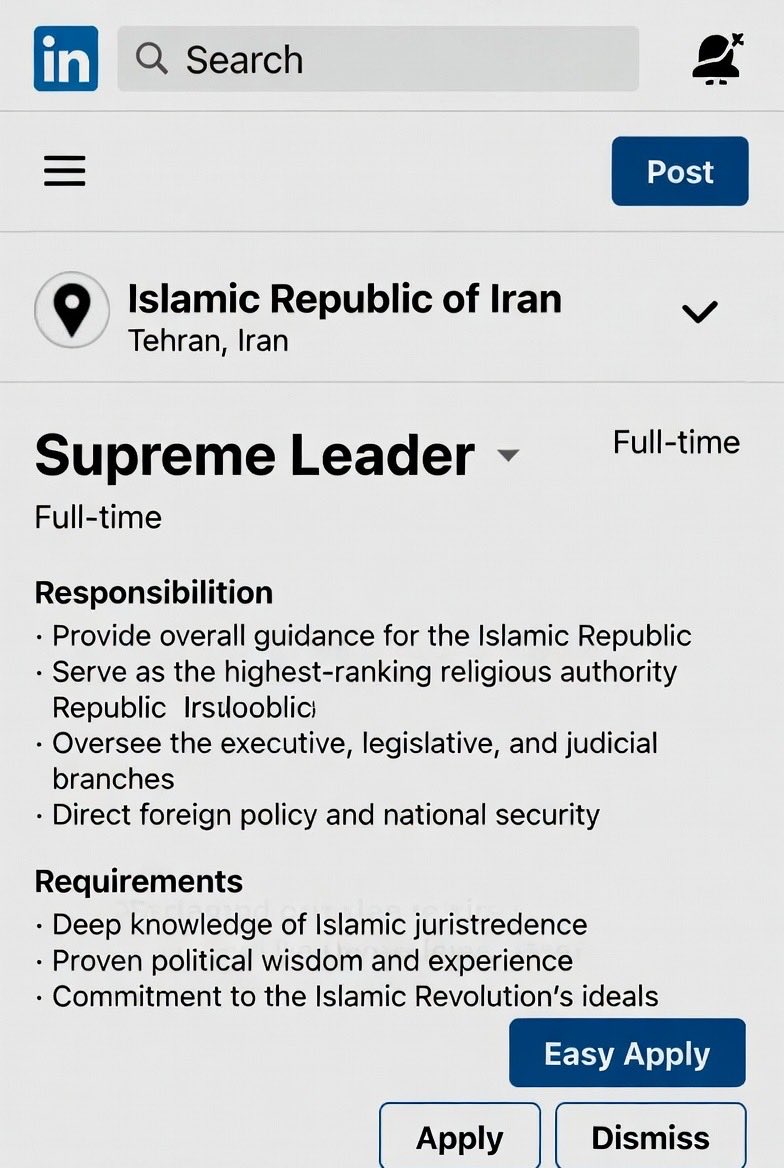
What's with the cracked screen "screenshot"?
I must say the U.S. and other western armies need to pick up some of the lessons from the Ukraine battlefield.
Annoying to see videos of slow Shaheds hitting bases and infrastructure. MANPADS can bring them down. Get soldiers with javelins at the ready. Or just use jet fighters to shoot them down once they show up on radar.
Annoying to see videos of slow Shaheds hitting bases and infrastructure. MANPADS can bring them down. Get soldiers with javelins at the ready. Or just use jet fighters to shoot them down once they show up on radar.

vodka-bull
Member
LMAO what a phrase: "Despite all doubts, we share many of their objectives, even if we ourselves aren't capable of actually achieving them"
Well, it's honest. It was primarily a strike made possible due to the CIA and mossad, Germany (or any european coubtry tbh) doesn't have the ressources to get so much intel to know exactly when Khamenei and his buddies will be at which position to precisely strike them.
Trump said he destroyed their nuclear capabilities last year. So.... He lied and they have nukes? I'm confused.
We apparently didn't "obliterate" hard enough last year when we were told that is exactly what happened, so this is Nuclear Obliteration 2: Electric Boogaloo.

Buggy Loop
Gold Member

DeepEnigma
Gold Member
You don't hate the globalist legacy MSM enough. Kudos to the reporter.

Topher
Identifies as young
You don't hate the globalist legacy MSM enough. Kudos to the reporter.
I want the name of the guy that sent the text.
efyu_lemonardo
May I have a cookie?
Christianity also went through several centuries of brutal and bloody war between different sects, Protestants vs Catholics, etc. up until and including the 20th century.Yes you do. Extremist fundamentalist histories are not exclusive to just one of the three major Abrahamic religions. Christianity was also spread very wide via the sword but it went through its own liberalization process due to the many lengthy stretches of peace and prosperity Western countries experienced.
It's no coincidence that when you rank the Muslim states by their democracy index, the ones near the bottom are usually the ones that have a long history of being fucked with.

Islam and democracy - Wikipedia
en.wikipedia.org
There are similar issues within Islamic nations, and it's not just Shia vs. Sunni, there are many minority groups including Christians and Kurds and Druze and many others.
Every country in the middle east has a rich and complicated history involving conflicts between ethnicities, religious groups, familial tribes. It's a complex web, and that lack of a shared identity is part of what makes it more difficult to form nations and states in the western sense, let alone democratic societies.
I'm certainly not trying to argue that western interventionism hasn't caused harm, but it's really not as easy as saying "if only they were left alone they would choose to build societies like ours." I think that's a naive way to approach global cultural differences. And democracy itself isn't always the bees knees, as plenty of examples have shown, so I'm not even sure it makes sense to view it through this lense.
Democracies require strong national identity, good education and a solid sense of comradary between citizens. They requires a level of transparency and accountability that doesn't always fit with pre-existing cultural values. And that's not to say those cultures are backwards or primitive, it's to say democracy may not be a universal solution.
The U.S. trying to forcefully impose democracy regardless of a country's particular circumstances is absolutely an unwise strategy, but that doesn't mean democracy is a natural outcome for every society.
With that in mind, you can ask yourself what role should the U.S. play on the global stage, and there are a multitude of interpretations and approaches to this, each with potential to do good and to cause harm.
It's also worth remembering that the British Empire, for all its many failings, actually was successful at creating democracies where none had existed before. Many of those still exist to this day. So was their interventionism justified?
Also, I don't think it's true that when Islamic Empires were the more developed and more enlightened, and Christian tribes or nations were the underdogs, that Islamic doctrine had any qualms about using and abusing them for their own purposes. So I'm not sure why it's incredibly unnatural to you when the situation is reversed. Perhaps it's the Christian sentiment of compassion, which I assure you does not exist in Islam.
Last edited:
NickFire
Member
You don't hate the globalist legacy MSM enough. Kudos to the reporter.
A lot of mourning going on in certain circles. Not too much in Iran of course.
Bojji
Member


reinking
Gold Member
I want the name of the guy that sent the text.
I have all but stopped watching news. I have yet to find a news source I trust these days. Fucking modern politics have taken over everything in the US and I left arguing politics behind over a decade ago because (in my experience) it is more about the scoreboard than it is policy. I still read things and make my own decisions on what to believe but I can't stomach modern news or politics. I am the guy all politicians love, disconnected. Bring me back the old Republican party and a new Democrat party (the old ones are still there
 ).
).
Last edited:
NickFire
Member
I feel like some of these reporters are having internal battles while covering this. Honestly feels like some want to report this straight and highlight positive developments but are struggling to just go with it.
Kinda like they're falling in love when they don't think they should be and keep fighting their own hearts.
Kinda like they're falling in love when they don't think they should be and keep fighting their own hearts.

Kacho
Gold Member
You don't hate the globalist legacy MSM enough. Kudos to the reporter.
I hope CBS is dumb enough to take action against him.

Id like to see FCC get involved and ream them out big time.I hope CBS is dumb enough to take action against him.
Last edited:
Topher
Identifies as young
You don't hate the globalist legacy MSM enough. Kudos to the reporter.
Ya think this reporter sent a big "fuck you" to the producer who sent the text by letting this video of him refusing get out?

NickFire
Member
His agent is almost certainly waiting for his cell to blow up with a fox news execs number on the caller Id.Ya think this reporter sent a big "fuck you" to the producer who sent the text by letting this video of him refusing get out?

RJMacready73
Simps for Amouranth
1 weekend 2 ayatollahs
Lol the Clerics going up to the 3rd in line...


Last edited:
You don't hate the globalist legacy MSM enough. Kudos to the reporter.

ProtoByte
Banned
He and Kasparian have taken the mask off or discovered a new hatred for "Zionism" alongside the postliberal right.Genuine question here: Is Cenk fucking retarded? We know his terrorist supporting nephew Hassan is. But is Cenk? I'm leaning towards yes.
Every foreign policy issue is now seen by them under the guise of supposed Israeli influence. Not that they were smart beforehand.
Last edited:

demigod
Member
Fuck people like him. I'm sure son's friend's parents won't allow me to take them to crowded places for a while.
- Status
- Not open for further replies.