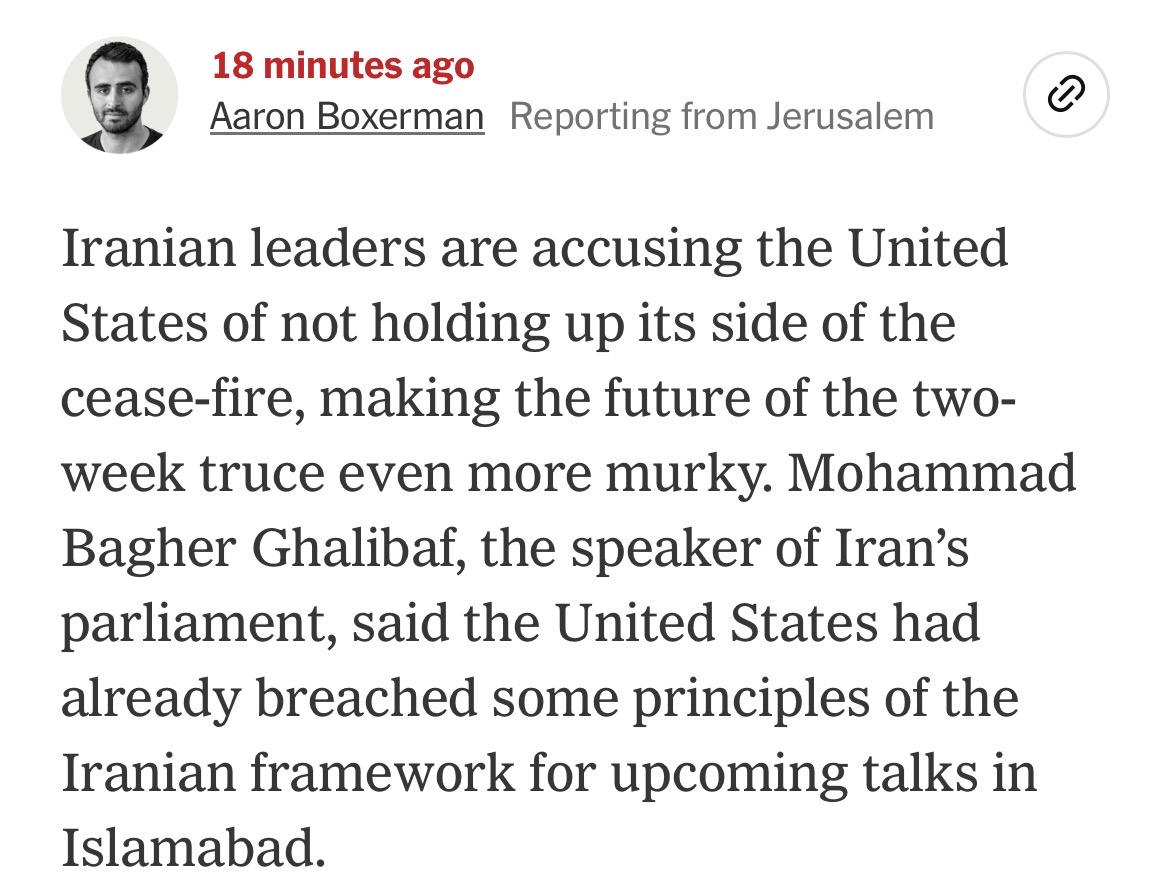
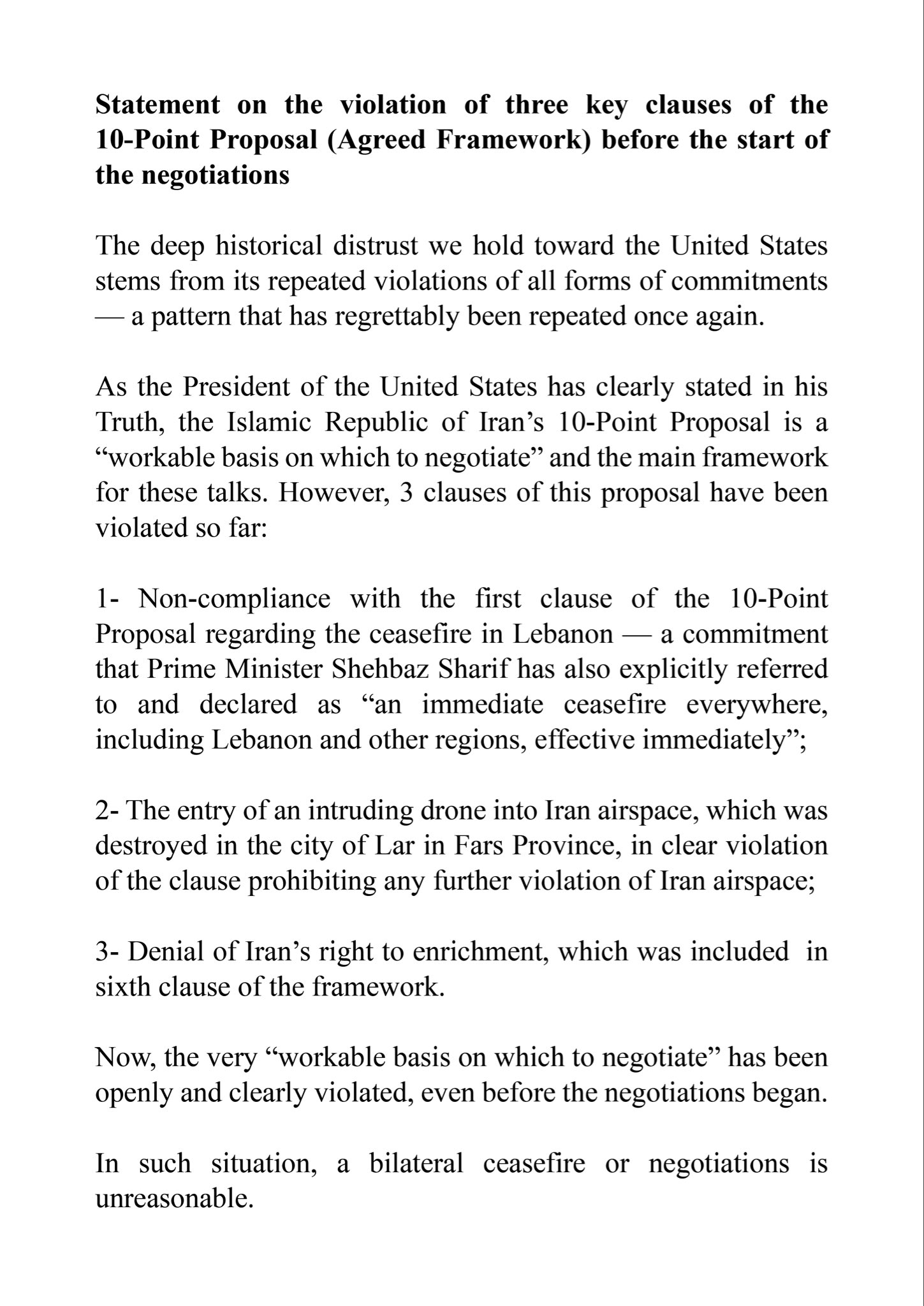
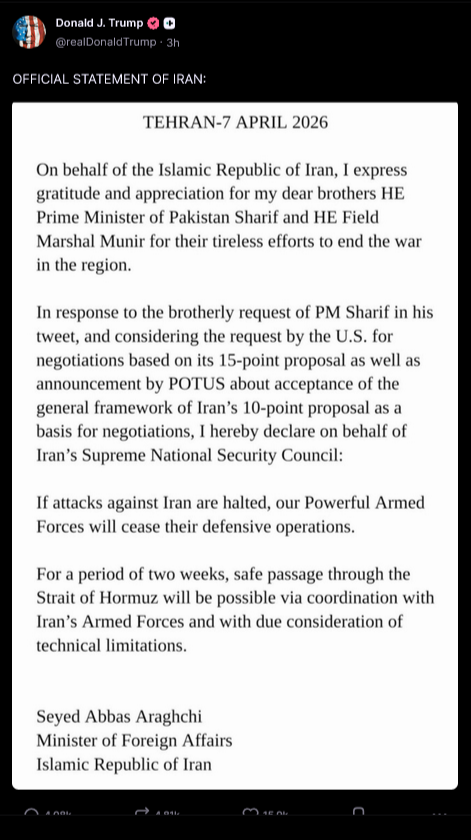
The same applies in Russia. Two weeks is long enough.
Fair point and noted - but also think of terrain and conditions too. Iran is like 4times larger than Ukraine, rugged terrain. Maybe in Tehran, the roads and railways would be fixed relatively quickly - but other remote bases in the mountains or whatnot - it would take long time to really supply material and all. But will see in 2 weeks whether the country is back up and running. I still think it's not nearly enough.
The problem is that it's not just oil that flows through the strait.
And 20% doesn't seem like a scary figure until you're part of that 20% and 100% dependent on it. And once again, you're overlooking the infrastructure - the other routes (infrastructure and logistics) are designed for the current routes, so it won't be possible to reallocate/rebuild them quickly. Just look at the Europeans, who haven't been able to completely phase out Russian gas in 5 years and won't be able to do so until 2027 (and it's not certain they'll succeed).
Sure fertilizer exports - and also food for Iranians (Rice, wheat) - and even US uses it to supply the US base.
Like a lot of things in life - water flows to the path of least resistance... so I think it wlll go that way. Places like South Korea, they import most from their oil from middle east - and only 1 company who deals with Aramco in Saudi Arabia have been getting steady oil supply thru red sea. I'm sure other oil importers are scrambling to secure red sea route, or import from Russia, or increase import from Canada or US.
Japan got a few ships passed already (I think it had dual nationality type of ownership?) - and Japan's government announced they have secured enough oil that could last till early next year already.
Other countries would import them from Russia (if neededed to be) or whatnot.
Infrastructure - you are absolutely correct. They are not there to replace Hormuz, and some are probably bombed already. Again, taking South Korea an example they pretty much entirely import LNG from Qatar, and Qatar let SK government know that their export deal is off due to uncontrollable conditions, leaving SK looking for alternative source of the LNG, whether there's infrastructure or need to pay extra $$$, whether they import from US/Canada or Brazil or Russia etc.
To those countries like Japan and South Korea - I think Strait of Hormuz is probably the last option to go back. I think 20% is a indeed scary figure - but at the same time I think other infrastructure/route can and will be able to absorb some those need. Not to the all of that 20%, but I don't think other routes and infrastructure handle 5-10% extra for temporary measure - is unreasonable estimate.